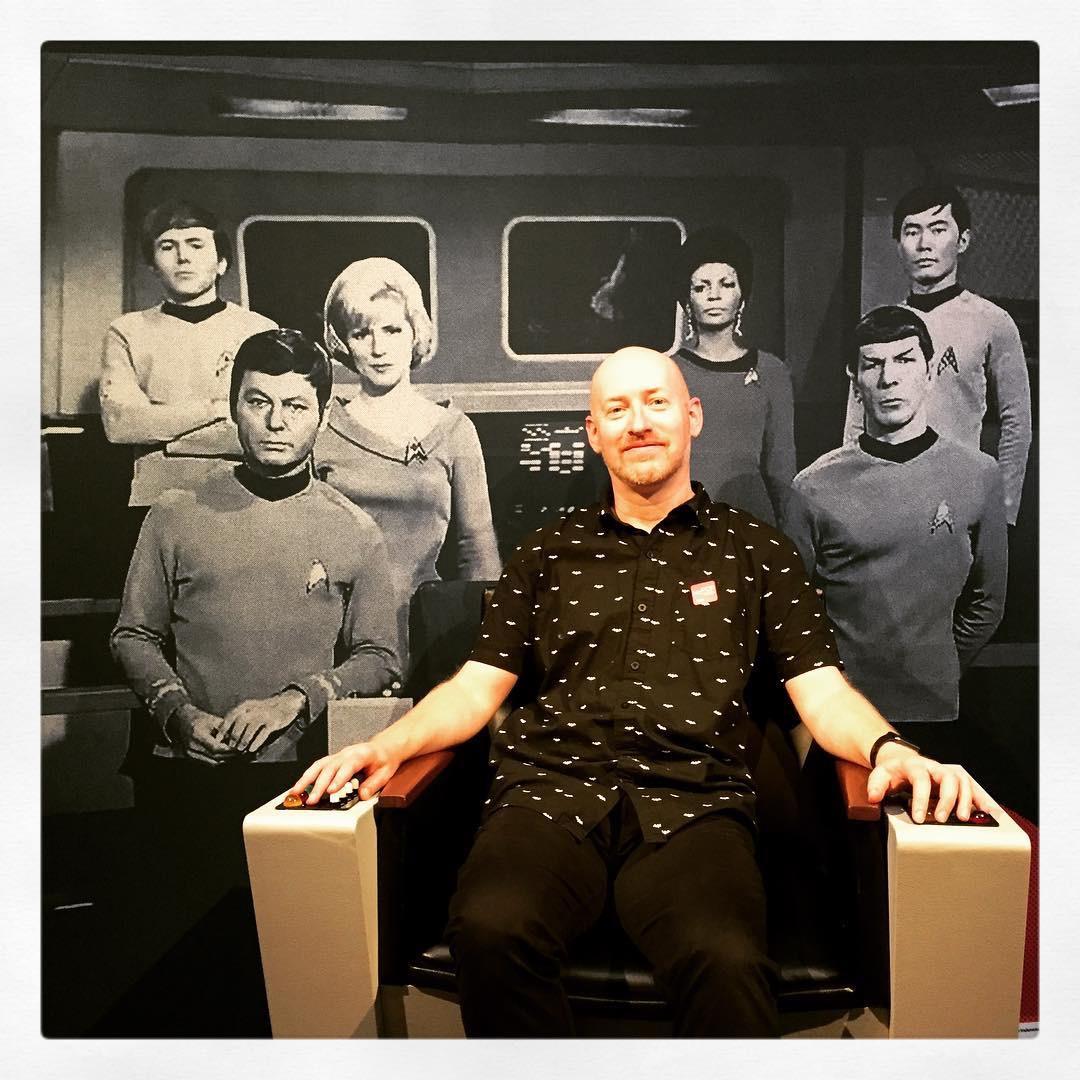
Quite happy to have made it to the @mopopseattle #startrek exhibit this afternoon. (344/366) 🖖

Enthusiastically Ambiverted Hopepunk
Quite happy to have made it to the @mopopseattle #startrek exhibit this afternoon. (344/366) 🖖
Wandering downtown Seattle on a brisk winter evening.
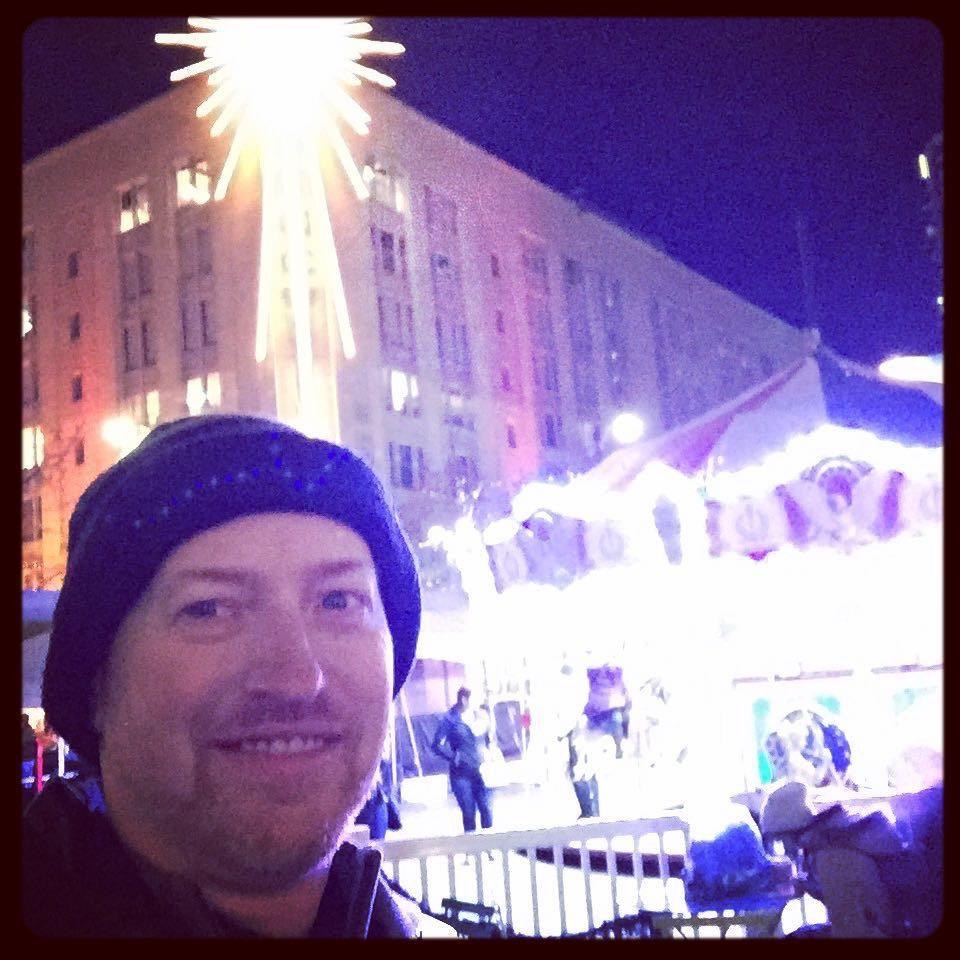
In Seattle! Around buildings more than three stories high! ;) (343/366)

Almost forgot! So here’s me, and me, and me. (342/366)

CWU Professor Mark Auslander has researched and proposed [likely identities for the names on Ashley’s Sack](http://www.cwu.edu/node/4977 “CWU: Story Behind Smithsonian “Ashley’s Sack” Uncovered by CWU Professor\”), a piece of embroidery from 1921 tracing one family’s lineage through slavery. Really neat work digging into American history.
For almost a decade, a slavery-era artifact known as “Ashley’s Sack” has intrigued historians unable to identify Ashley—the girl’s name preserved in needlework. The Smithsonian, where the sack is on display, may now attribute the recent discovery of Ashley’s identity to Central Washington University Professor Mark Auslander.
Auslander, who teaches in the department of Anthropology and Museum Studies and is director for the Museum of Culture and Environment spent the last year researching the lineage of the three women whose names were needle worked into the cloth. Research led him to North Carolina and Philadelphia where he searched slave, court and estate records, as well as early bank and census data.
“The object has become a kind of obsession for me during this past year,” said Auslander.
His findings were recently published in the article “Slavery’s Traces: In Search of Ashley’s Sack,” in the noted academic journal Southern Spaces.
Ashley’s Sack, on loan from Middleton Place in South Carolina, is currently on exhibit in the newly opened Smithsonian National Museum of African American History and Culture in Washington, DC.
However, reading CWU’s writeup of the news has one unfortunate bit that really stood out to me (emphasis mine):
The original object was found in 2007 at a flea market in the small town of Springfield, Tennessee. Little was known of its history, but it gained great attention by historians and academics. Even less was known about the females listed on the sack.
This really, really should have read, “Even less was known about the women listed on the sack.”
Using “females” instead of “women” is rude and dehumanizing, and to do so within the context of a historical artifact of the slavery era makes it even worse. Just don’t do it (especially if you’re writing for an institute of higher learning, and again especially if your writing about an artifact of an era where the dehumanization of an entire race, let alone gender, was the norm).
Dinner tonight was homemade chili and cornbread. Not pictured because I quite happily ate it all. (341/366)

Danielle Muscato, in an interview after her Twitter rant following Trump’s latest SNL whine:
We must resist. Bottom line, resist. That’s why yesterday, I was using the hashtag #RESIST. The day we accept ANY of this as normal, we have already lost. Fascism accumulates power by pushing people, by testing us, by testing boundaries. We must call him out literally every time he says or proposes something that is unacceptable; we must actually label it as “unacceptable”; and we must demand change. From access to health care, to LGBTQ rights, to international relations, to so much more, complacency is literally death in this case, for potentially millions of people around the world, and also for people here in the USA. If you do not already, I encourage everyone reading this to start identifying, personally, as an activist, and to work toward that end accordingly. Resistance, en masse, is our only hope.
We’re once again in the holiday season, which means it’s time for everyone’s favorite winter song debate: Is Baby, It’s Cold Outside acceptable or not?
Personally, while I certainly understand why lots of people today find it objectionable (and are even rewriting the lyrics), particularly due to the “hey, what’s in that drink?” line, I think it’s important to look at the original context of the song:
I’ve heard the take on “Baby” as “rapey” a couple of times over the years and the concern about the song usually centers in on one line: “Say, what’s in this drink,” which many contemporary listeners assume is a reference to a date rape drug. But narrowing in on this particular line divorces it from its own internal context, and having only passing familiarity with the song divorces it from its cultural context.
The structure of “Baby” is a back and forth conversation between the male and female singers. Every line the woman utters is answered by him, until they come together at the end of the song. When we just look at “Say, what’s in this drink,” we ignore the lines that proceed and follow this, which are what indicates to the listener how we’re supposed to read the context.
Personally, I’m a fan of the song. And thanks to that Wikipedia article I linked up above, it turns out that though written in 1944, it was broadly popularized in the 1949 film Neptune’s Daughter (which I’ve never seen), in which it’s performed twice: once by Ricardo Montalbán (Khan!) and Esther Williams, which in staging, I have to admit, seems to hew fairly close to today’s interpretation of the song, with Montalbán coming across as predatory; then again by Red Skelton and Betty Garrett, in which the roles are reversed as Garrett tries to keep Skelton from leaving.
\[embed\]https://www.youtube.com/watch?v=7MFJ7ie_yGU[/embed]
If you’re not a fan, I totally understand — but for me, it will remain a staple of my winter playlists.
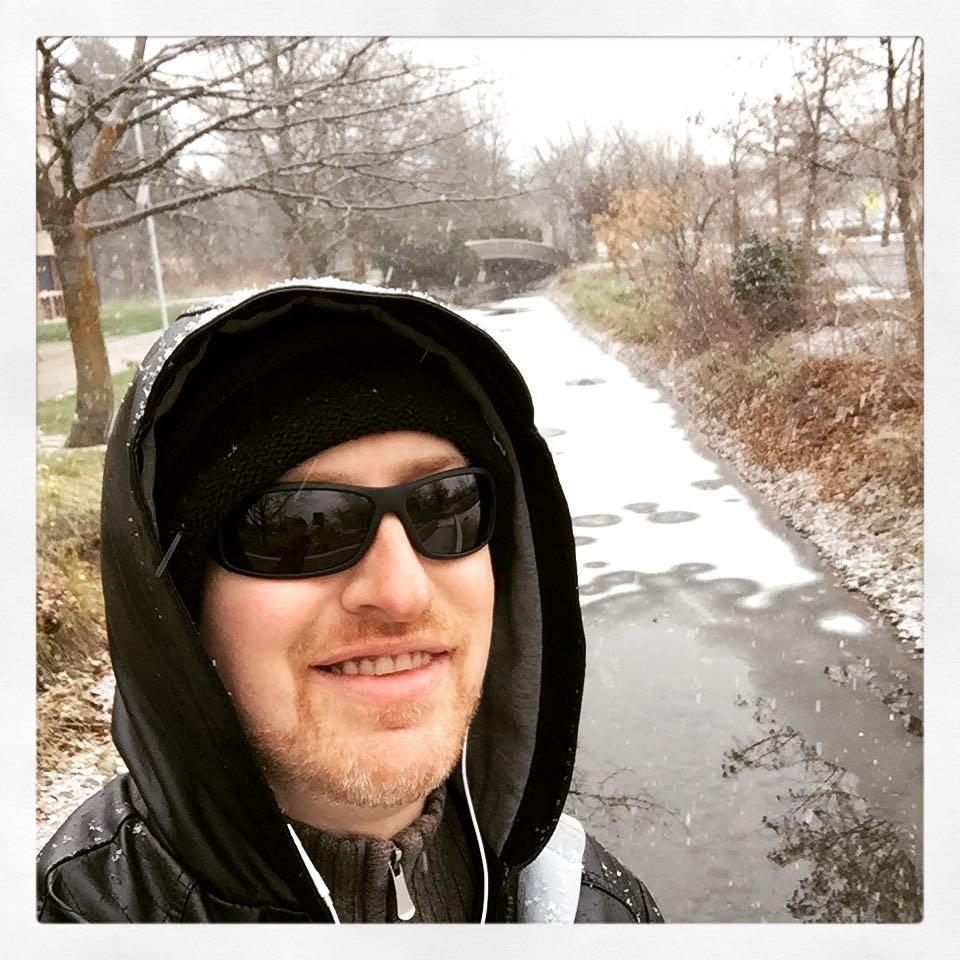
First snow of the season! Can’t let you Seattleites have all the fun! (340/366)
Wrapping Christmas presents! (339/366)
