
- 🏡 Back at home this week! We had a good week of conference and travel, but it’s always nice to get back into the familiar comfort of our own home.
-
♿️ Work was fairly uneventful, which is always nice after being away for a while (even if I was technically working last week). No explosions or catastrophes to worry about, at least.
-
🚀 Yesterday I was able to head down to dig into the physical Norwescon archives, and grab a selection of stuff to bring back home so that I can scan it and get it added to our online archives. Some I’ll be able to keep in my part of the archives (what I’m now calling the “annex”), some will go back down to be re-filed in the primary archives.
📸 Photos
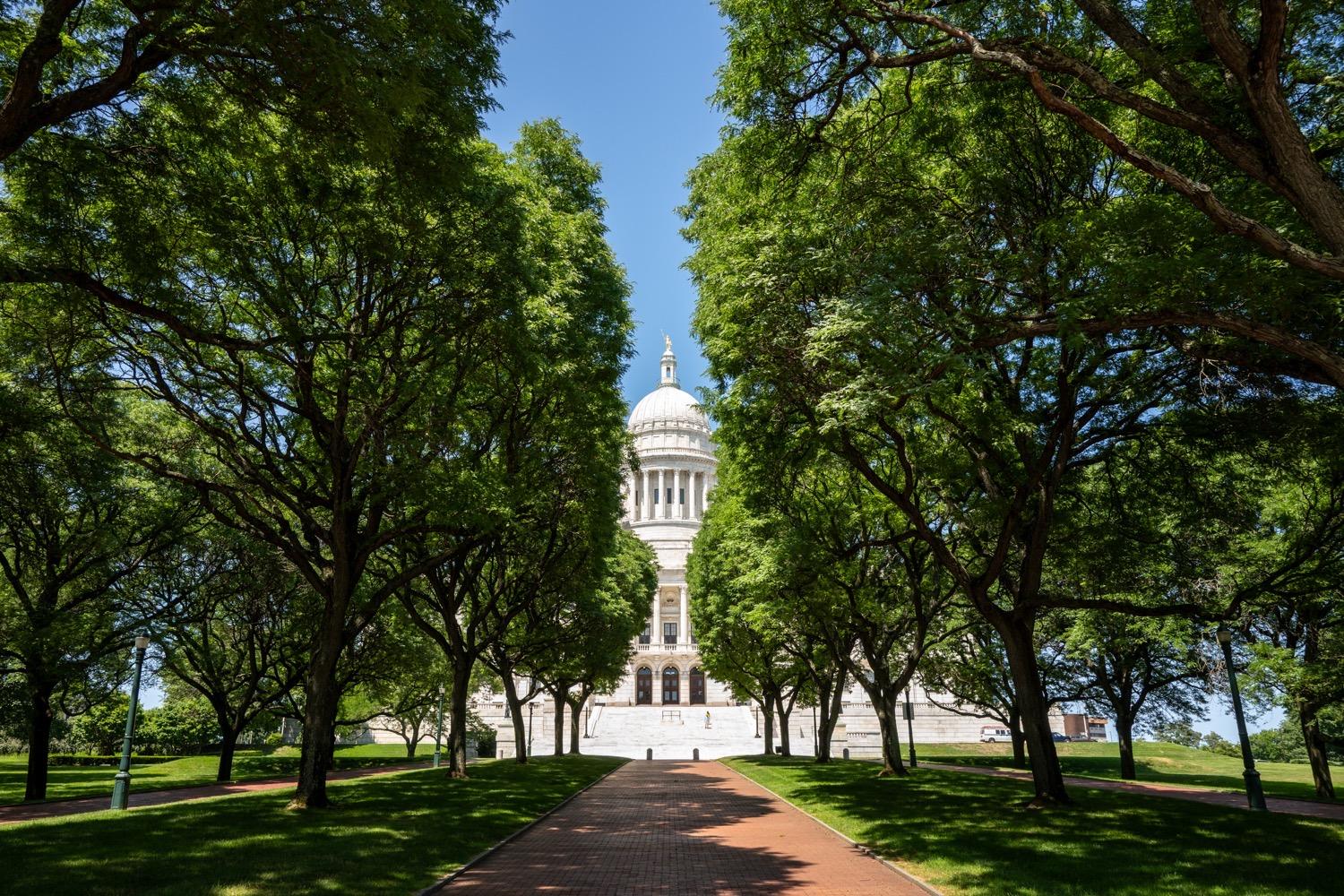
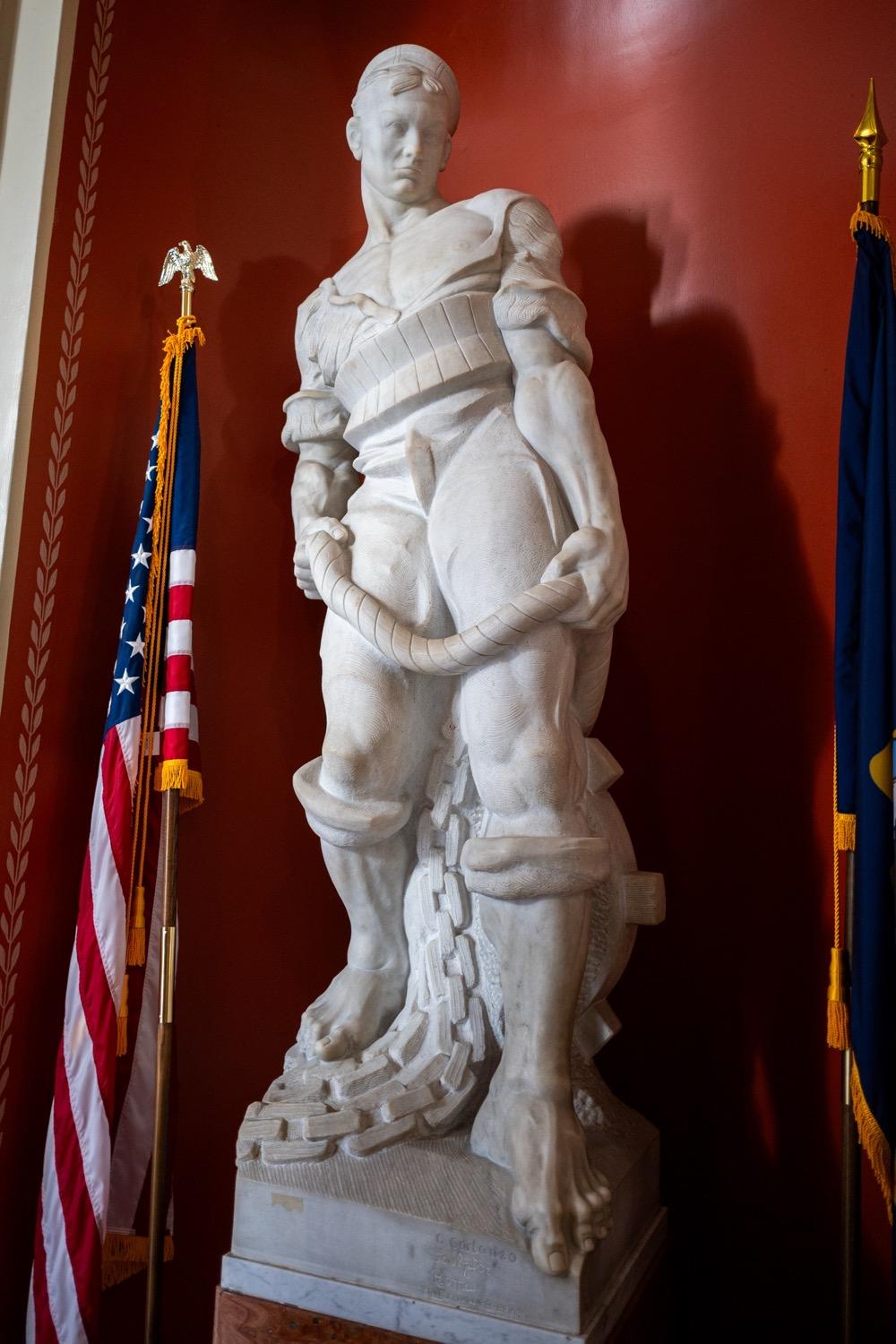
I got my photos from Providence and New York uploaded to Flickr. Here are a few favorites; there are many more in the Flickr album.



📚 Reading
After getting home, I finished one book I’d started before we left (Star Trek: The Enterprise Logs Volume 2) and one I’d started towards the end of the trip (Moving Pictures by Terry Pratchett).
📺 Watching
While working our way through the flights home on Sunday and Monday, I watched the two most recent live-action Predator movies, Prey and Predator: Badlands. I’m definitely enjoying how Dan Trachtenberg is expanding the Predator mythos, without feeling restricted by following a particular storyline or set of characters, but playing with different stories within the broader universe.
🎧 Listening
This week’s main listening has been a new two-part post-punk/EBM/goth/industrial compilation from Sideline Magazine, United 1 – The Freya Files and United 2 – The Odin Files. Both are free to download, but if you chip in a little money, all proceeds go to support humanitarian and frontline aid efforts in Ukraine (I did).
🔗 Linking
-
Emily Wilson at the London Review of Books: An Uncomplicated Man: “Unlike some of Nolan’s other films, The Odyssey is not boring, thanks to the source material, which is impossible to mess up entirely. It’s a family-friendly audiovisual spectacle, like an elaborate Fourth of July fireworks display – and with about the same level of narrative and emotional depth.
-
Bettina Makalintal at Eater: In the Age of AI, the Analog Restaurant Feels Radical: “The backlash to AI imagery is growing across a certain part of the culture. Sentiment along the lines of ‘I’d rather see a poster made with Sharpie on a scrap of paper than an AI event flyer,’ or ‘I’m not going to your restaurant if the ad is the AI’ is proliferating. ‘Frictionmaxxing,’ a term that writer Kathryn Jezer-Morton coined to refer to a rejection of technologies of convenience in favor of slower and more analog processes, has escaped containment, coming to mean the general choice to choose pre-internet ways of creation and problem-solving. In this sense, it can refer to the choice of the handcrafted over the AI-generated.”
-
Julian Fong on Mastodon: “I still don’t use any AI code in my work, but I have to review more and more of it these days. One of the things bothering me about that these days is just how lacking in personality that code is. […] Code is art. I work at a studio full of ungodly talented artists, but I will still die on this hill. Code is often messy and dirty and it’s a pain to create and get right but the results reflect the personality of the creator and the pain of the creation. Just like the rest of art. Sometimes you have to look at the source code to see that, but it’s there if you look for it, hidden beneath the surface. ¶ AI generated code is not art.”
-
Catherine Rampell: Inside Trump’s Stealth Trick to Rig the Census—and Congress (archive.is mirror of a Substack original): “A vaguely ominous but little-noticed regulatory filing issued in late June could have a profound impact on business, immigrants, and the balance of power in our country. […] The actual specifics of those new rules remain scant. But from conversations I’ve been having with people close to the process, it is widely expected that the administration will try to recategorize millions of immigrants (both unauthorized and legal) as not actually living here in the United States.”
-
Danny Katch at Revolution for Cowards: We used to be able to buy things in this country (archive.is mirror of a Substack original): “Why has our society gone backward in this small but really annoying way? Surely there must have been an epidemic of shoplifting? No, there really wasn’t. Instead, the great lotion lockup was a corporate moral panic, which has been a disaster for their profits and for the rest of us a degrading enshittification of running basic errands.”
-
Stephanie Rohler at Star Trek.com: Accommodations On Board: A Celebration of Disability in Star Trek: “None of Star Trek‘s disability portrayals and accommodations have been perfect — but that’s alright. Star Trek still exists as a rare piece of fiction that openly begins discussions about what life with disability looks like, and the adaptations necessary for disabled people to find a comfortable home in society. It’s the fact that Star Trek has and keeps including disabled characters that makes the difference, especially in a modern world that argues so often about the rights of disabled people.”
-
Nikshep Myle at MSN: AI companies are still buying up old books by the pallet – then shredding them: “Every out-of-print volume that disappears into a scanner may be the last copy accessible to anyone outside an AI lab’s servers. Rare, foreign-language, and low-circulation titles – many never digitized elsewhere – vanish from physical existence after a single scan. Who controls humanity’s textual heritage is no longer a question anyone can afford to leave unanswered, especially as the push to build AI Data Centers accelerates the industry’s resource acquisition at every level.”
-
Newsmax: Newsmax and Meta Enter AI Content Partnership (archive.is mirror; I’m not linking directly to Newsmax): Meta is partnering with Newsmax to feed their right-wing claptrap into Meta’s AI chatbots as training material. Don’t be surprised by any Meta chatbot (Facebook, Instagram, WhatsApp, etc.) becoming even more right-wing loony than they already are.
-
Jasmine Nackash at The Pudding: How the Words We Teach English Language Learners Changed, and What That Says About Us: “While these [“essential vocabulary” lists] were practical tools, built to capture which words people need most, the answer also doubles as a snapshot of ordinary life, 70 years apart: what people were expected to engage with, and had to deal with, in their daily lives. ¶ Treating the lists as an indirect record of day-to-day life, I went through the differences between them from a few angles: what the words were about, how tangible were they, and to which parts of speech they belonged.”
-
Cory Turner at NPR: Adults have struggled to set rules for AI in school. These teens figured it out: “Over the course of one frantic, late-July weekend, 98 teens representing all 50 states put their busy lives on hold to try to do something remarkable. ¶ The students, most of them high school juniors and seniors, gathered in a precise replica of the U.S. Senate chamber and attempted what the real, adult Congress has largely failed to do: draft and pass ‘legislation’ to help the nation’s K-12 schools navigate the questions and chaos created by artificial intelligence.”