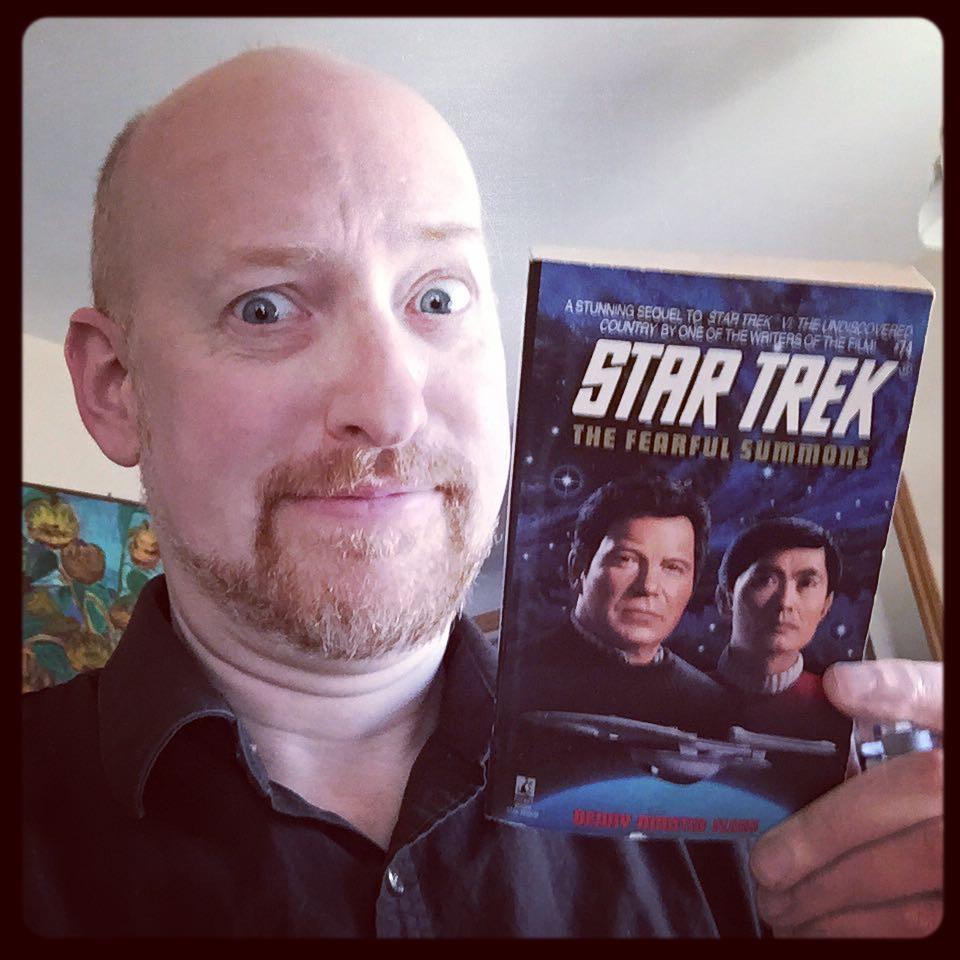
Book twenty-three of 2017: The Fearful Summons, by Denny Martin Flinn. ⭐️ #startrek #tos

Enthusiastically Ambiverted Hopepunk
Whatever I’m geeking out about at the time.
Book twenty-three of 2017: The Fearful Summons, by Denny Martin Flinn. ⭐️ #startrek #tos
For quite a while in the past, I used the del.icio.us bookmarking service to save bookmarks, which were then automagically gathered and posted here as occasional “here’s what I found interesting recently” posts. Unfortunately, del.icio.us went through some changes a few years back, things fell over, I got distracted by other projects, and the whole thing fell apart.
I’ve been missing that aspect of my blog, though (along with the ability to quickly search through a list of bookmarks to find that thing I know I read a while back that I’d love to refer someone to while it’s on my mind), and have finally resurrected the system (with a few changes).
Rather than using the del.icio.us service again, I’m instead using Pinboard. It’s essentially the same thing that del.icio.us was “back in the day” — simple and fast saving of bookmarks, complete with a field for descriptions or excerpts, and tagging for categorization — with some extra niceties that either weren’t part of del.icio.us or that I just don’t remember, such as being able to designate particular links as “private”. Plus, there are a few iOS apps for easy mobile use of Pinboard, and after finding this review of a few, I’ve installed Pinner.
I’ve set up an IFTTT applet so that if I tag a link on Pinboard with the “.twitter” tag, that link will automatically get posted as a Tweet to my Twitter account for quick sharing that way.
Finally, I was quite happy to discover that Postalicious, the WordPress plugin I used to collect and post my del.icio.us links, still works (even though it hasn’t been updated in six years), and works fine with Pinboard.
So, as I find interesting stuff, I’ll toss links into Pinboard, and every so often (when there are at least five new links since the last time Postalicious checked), a Linkdump post will show up here on Eclecticism.
I’ve started off by tossing a few of the many Tumblr posts I’ve liked into Pinboard (both as a test of the new setup, and because there’s a lot of discussion on Tumblr that I’ve found and enjoyed over time, but which is nearly impossible to find again without something like Pinboard to keep track of them). More links will come as time goes by.
It’s not quite the same as if I were actually posting here as regularly as I used to (or that, ideally, I would like to), but at least it will get some movement here between my all-too-infrequent “real” posts.
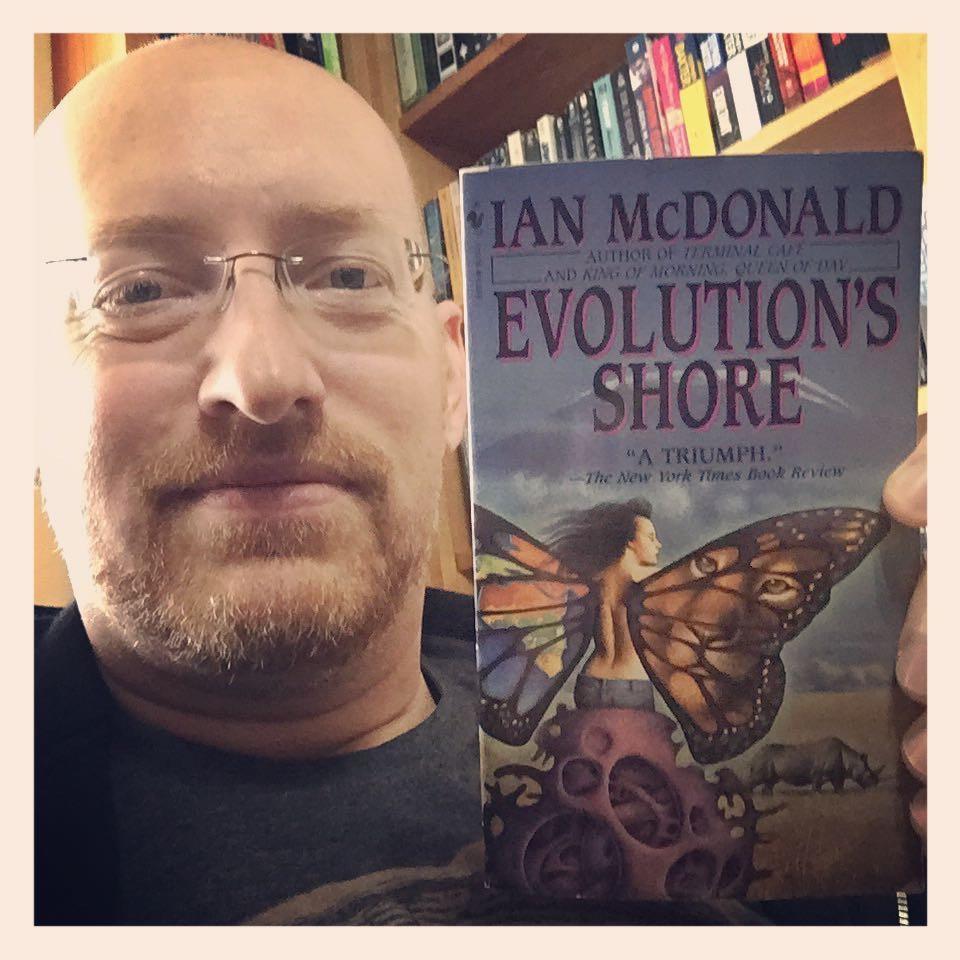
Book twenty-two of 2017: Evolution’s Shore, by Ian McDonald. ⭐️⭐️⭐️⭐️
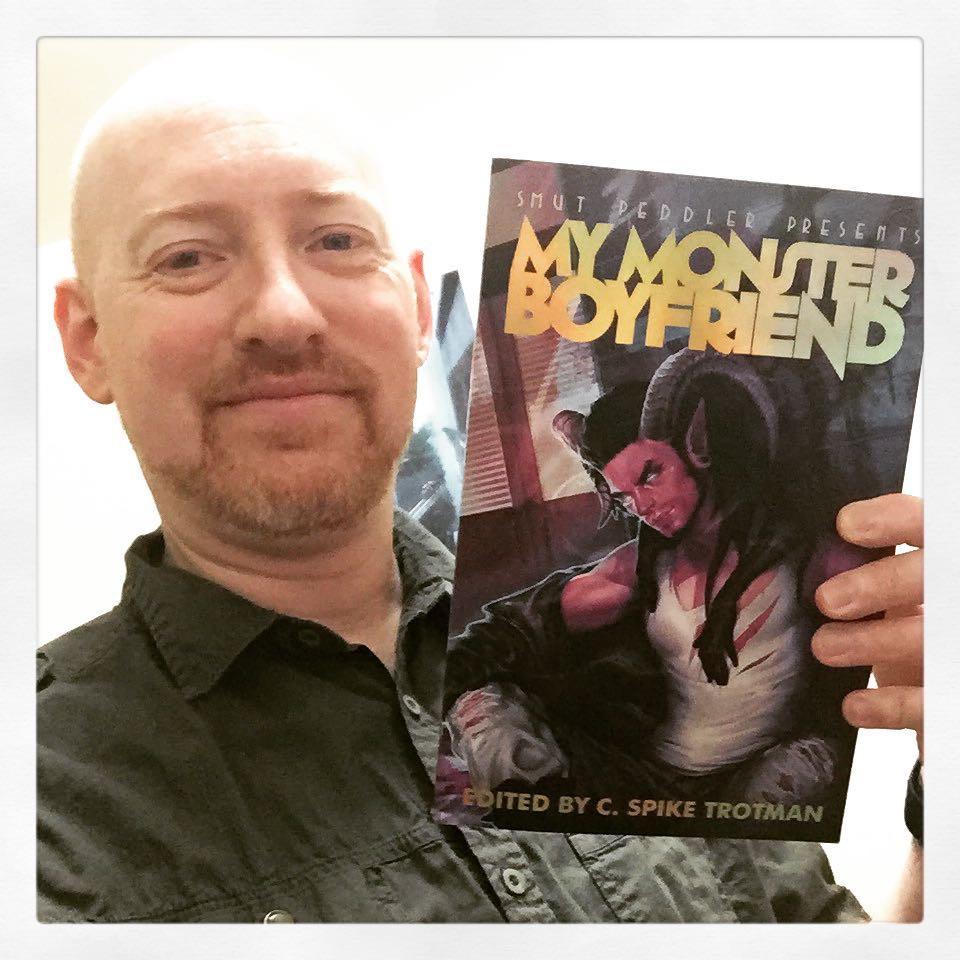
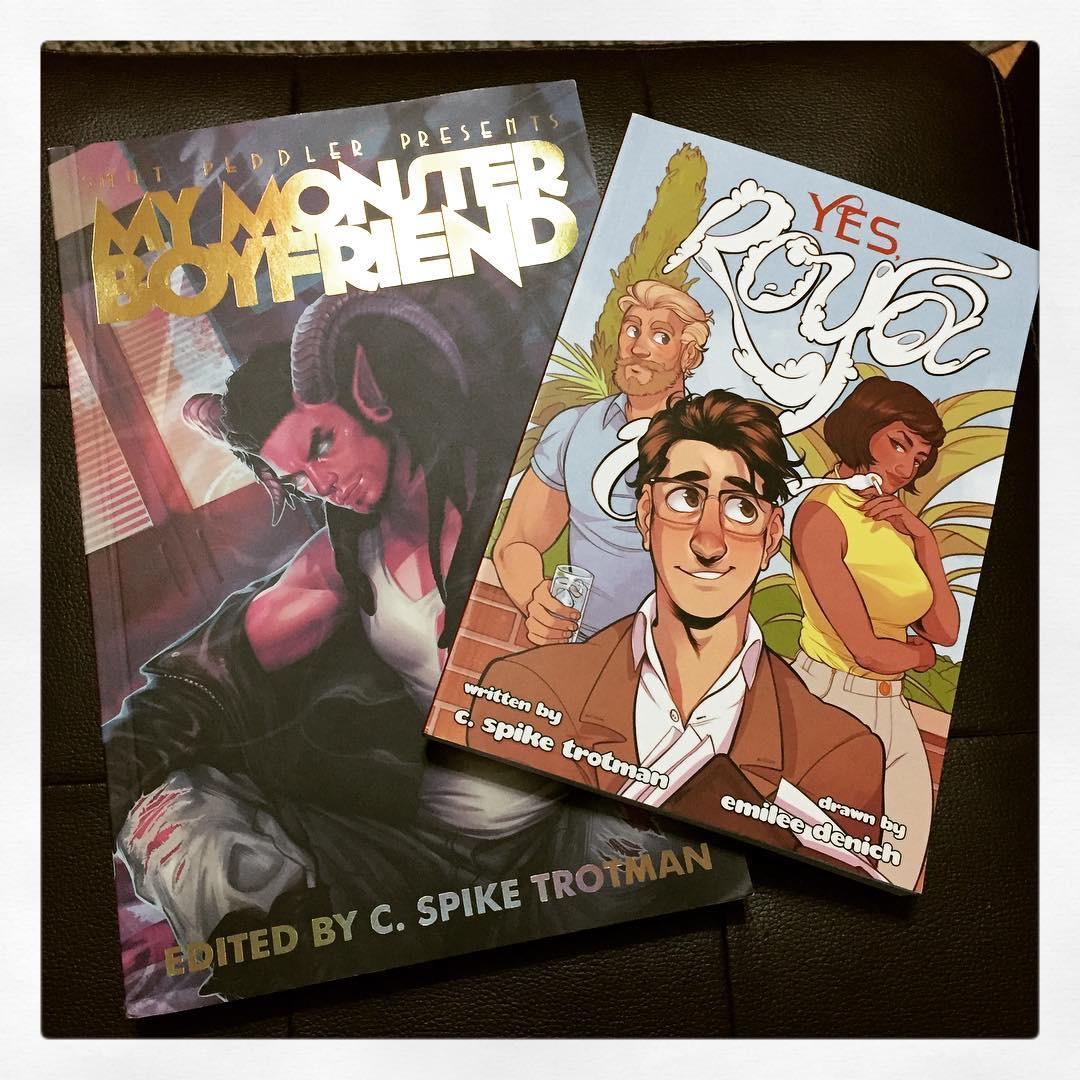
Book twenty-one of 2017: My Monster Boyfriend, edited by C. Spike Trotman. ⭐️⭐️⭐️
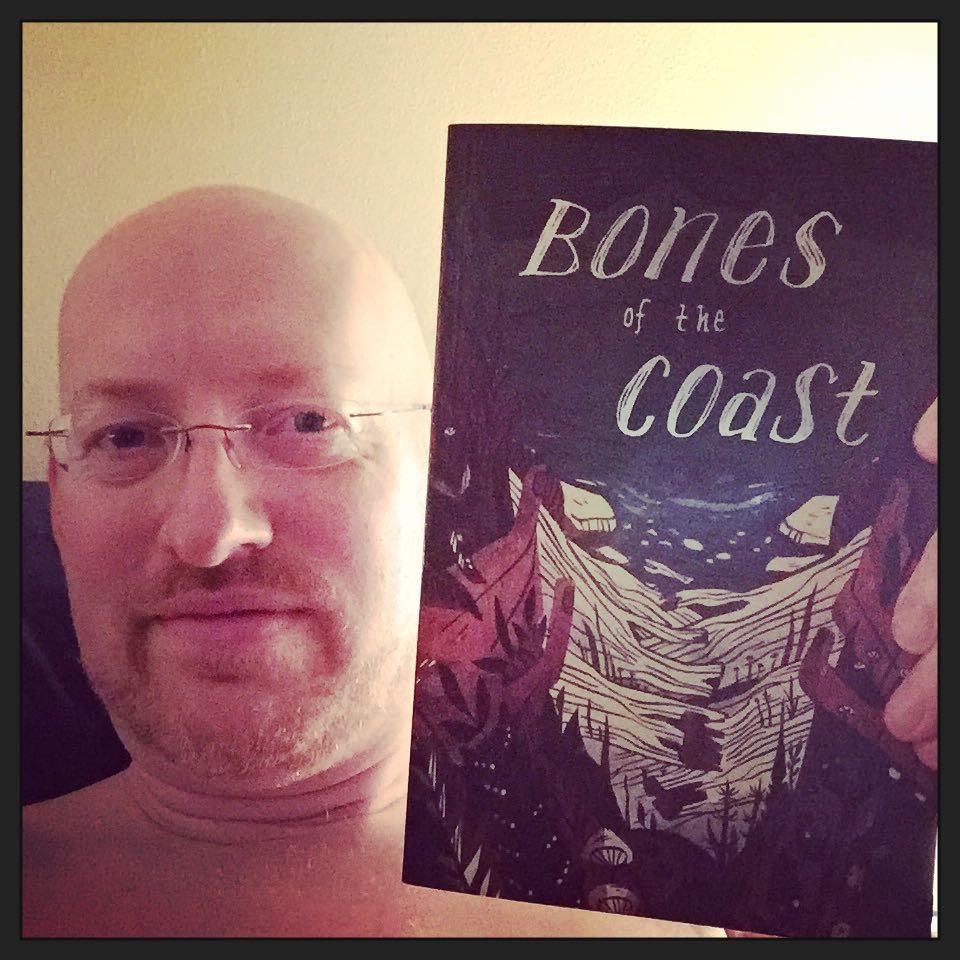
Book twenty of 2017: Bones of the Coast, edited by Shannon Campbell, Jeff Ellis, and Kathleen Jacques. 🌟🌟🌟🌟 #Kickstarter
Book nineteen of 2017: Crossroad, by Barbara Hambly. ⭐️⭐️⭐️ #startrek #tos

Book eighteen of 2017: Alien Artifacts, edited by Joshua Palmatier & Patricia Bray. ⭐️⭐️⭐️

I also got new smut from @ironcircus: Yes, Roya and My Monster Boyfriend. Supporting small-press publishers of NSFW material (at which Prairie rolls her eyes in amusement).
Book seventeen of 2017: Firestorm, by L. A. Graf. 🌟🌟🌟

Once again, I’ve read through all of the nominated works for this year’s Philip K. Dick Awards — and there’s still almost two full months to go before the award ceremony! I think this is the fastest I’ve gotten through all of the year’s nominees. (Of course, it helped that two of them were short enough that I got through them both within 24 hours.) Here are my thoughts on each of the nominated books, in order from my least favorite to my personal favorite and pick for the award (if I got a vote, which I don’t, and I’ve yet to pick a winner, so perhaps it’s best not to put too much stock in my opinion…).