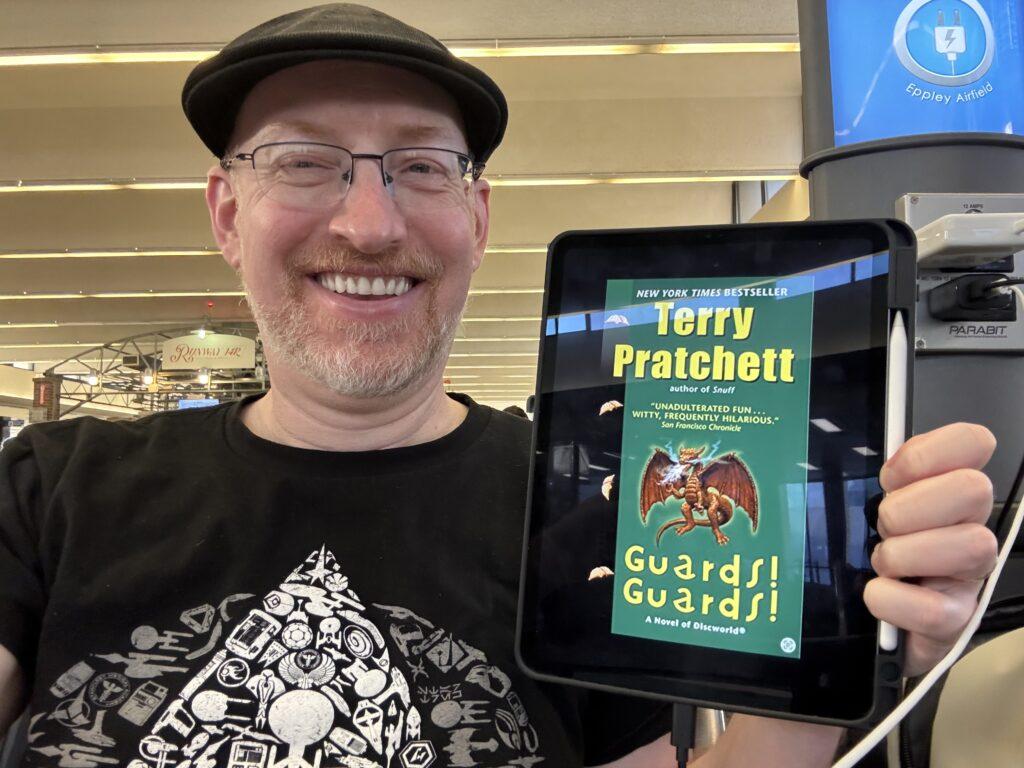
Book 41 of 2026: The Death of Princes by John Peel.
⭐️⭐️⭐️: Solidly average, most notable for the number of overt A-Team references given to Barclay.

Enthusiastically Ambiverted Hopepunk
I read…a lot. Here’s where I ramble about books and printed media.
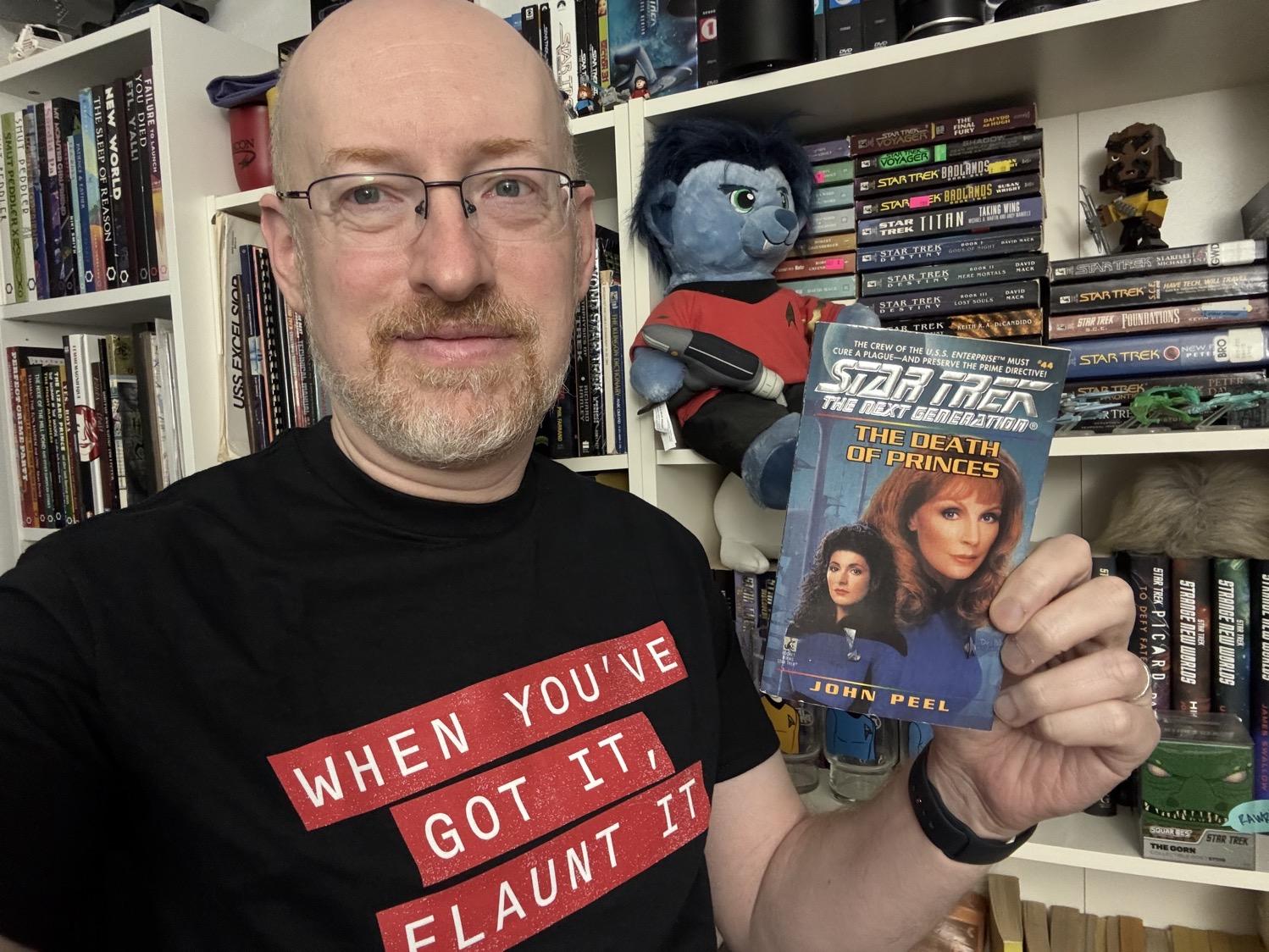
Book 41 of 2026: The Death of Princes by John Peel.
⭐️⭐️⭐️: Solidly average, most notable for the number of overt A-Team references given to Barclay.
Book 40 of 2026: Small Gods by Terry Pratchett.
⭐️⭐️⭐️⭐️⭐️: Pratchett takes on religion, belief, godhood, corruption, holy wars, goodness, and compassion, and does it all with style, humor, and heart. The Turtle moves.

Book 39 of 2026: Witches Abroad by Terry Pratchett.
⭐️⭐️⭐️⭐️: A Discworld look at stories, fairy tales, and what happens when someone is a little too intent on making sure they go just the way they should.

Book 38 of 2026: Reaper Man by Terry Pratchett.
⭐️⭐️⭐️⭐️: Death gets fired, and explores life as a mortal being (more or less), while the rest of the Discworld has to figure out what’s going on when Death isn’t doing Death’s job anymore. It’s easy to see why Death is a favorite character in the Discworld series, as Pratchett continues to do a masterful job of using the character to look at life and make death (the concept) a bit less intimidating.

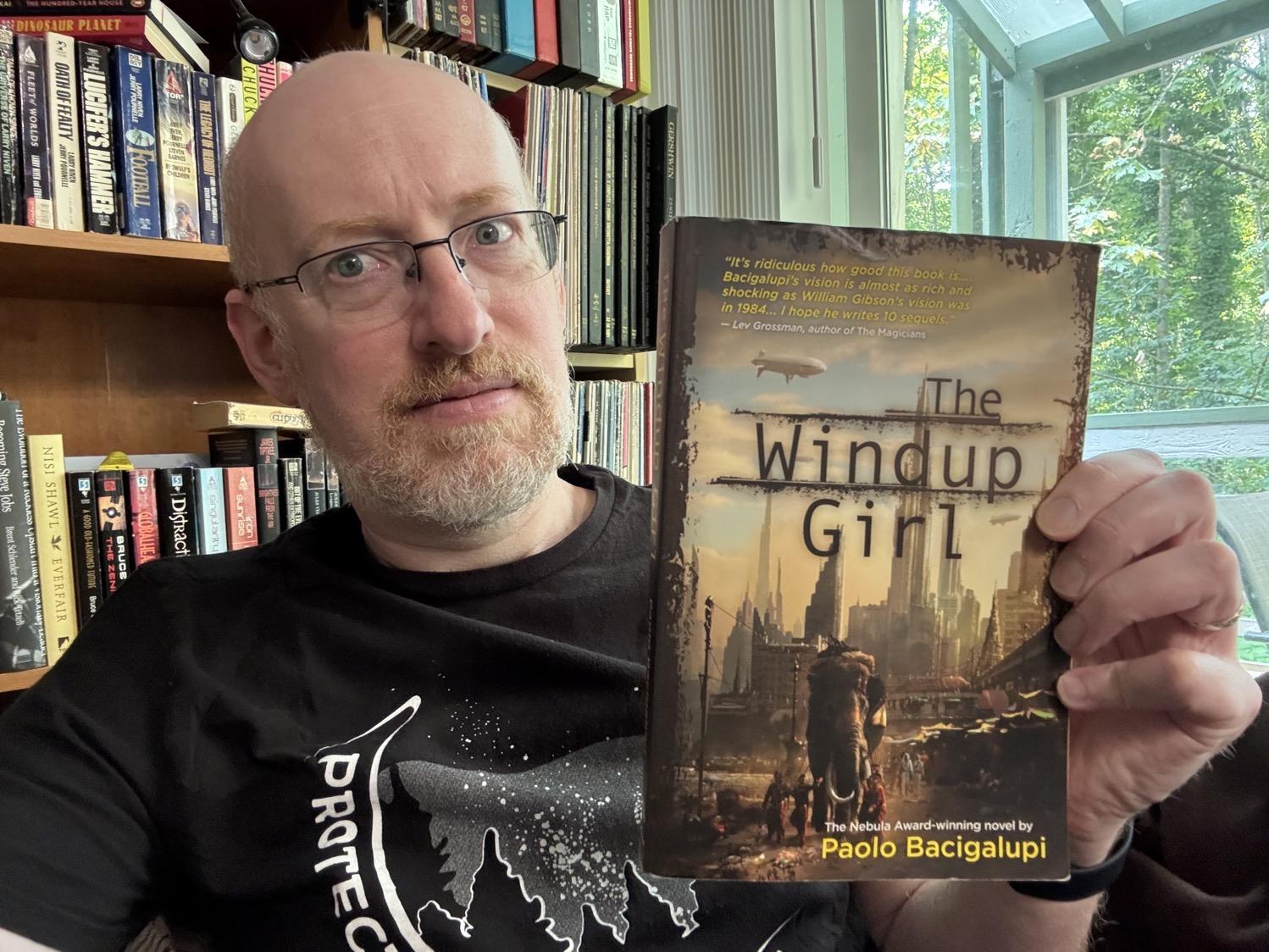
Book 37 of 2026: The Windup Girl by Paolo Bacigalupi.
⭐️: Actively disliked this one; a rare instance where I came very close to bailing out and DNF’ing, and only stuck it out because it’s part of my Hugo Best Novel reading project.
A dystopic future where fossil fuels have run out (and, apparently, renewable options like wind (except for sailing ships), solar, hydro, etc. just…aren’t a thing? anywhere? for no discernible reason?) and power comes through kinetic energy stored in ‘kink springs’, and the resulting societal collapse combined with ecological change has devastated food supplies worldwide. The overall background is basically colonialism; substitute genetic engineering agriculture companies for the East India Tea Company and Thailand for India, and you’ve got the gist. Genetic engineering has progressed enough that there are now “New People”; genetically created intelligent artificial life that is genetically encoded to be servile.
One of these New People is the titular “windup girl” (who isn’t actually windup, but New People are intentionally given a way of moving that mimics stop motion/clockwork creations), a sex slave who is repeatedly abused over the course of the story, with some of these instances being explicitly detailed across multiple pages of the story. The first instance within the first few chapters was more than enough for me, having it happen again and in greater detail and length later on was when I almost bailed out of the book entirely. Instead, I just skimmed past and kept skimming through the rest of the book just to get it done with.
Obviously enough people liked it and found it worthwhile for it to win a Best Novel Hugo award, but I can’t recommend it.
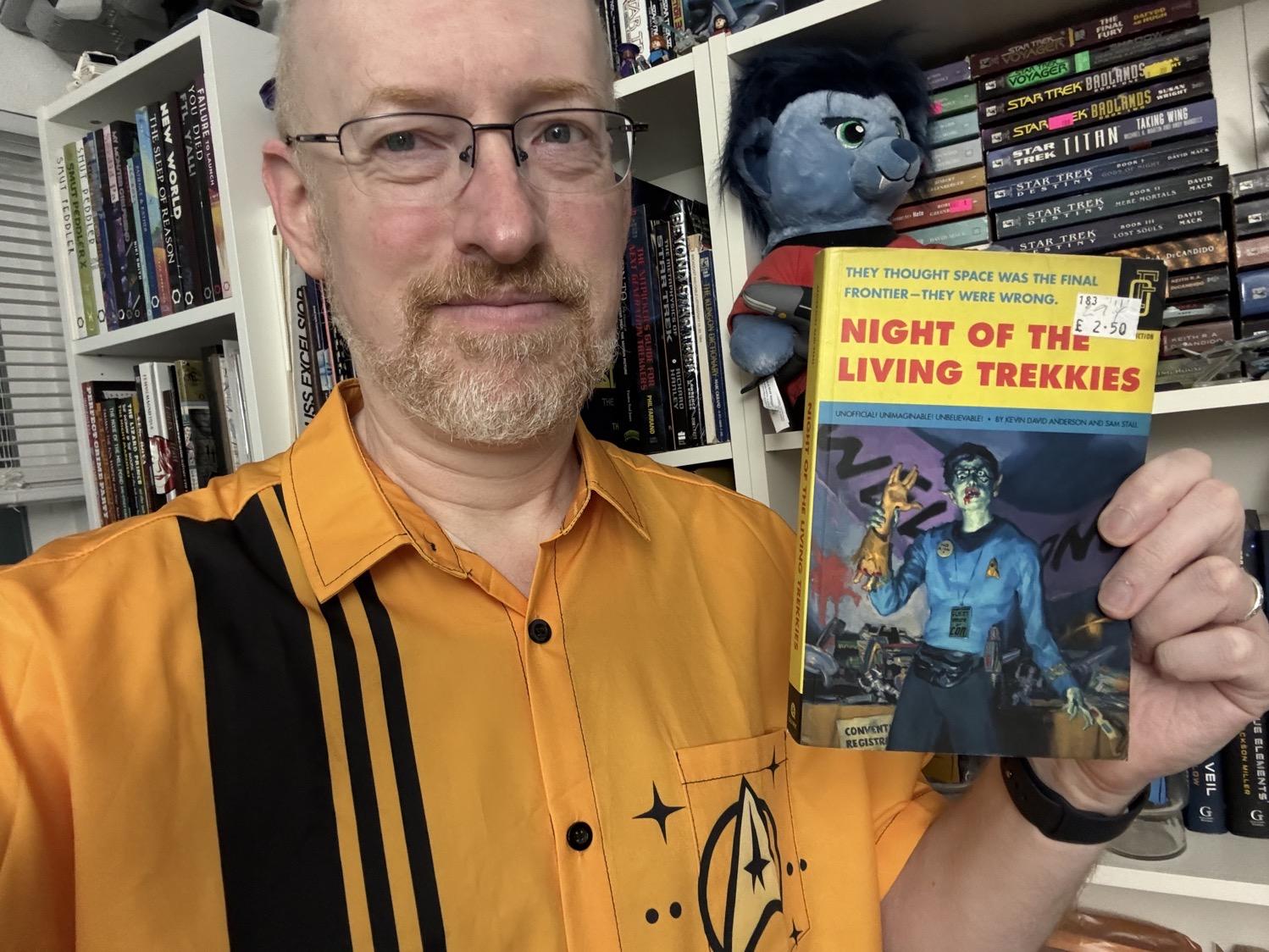
Book 36 of 2026: Night of the Living Trekkies by Kevin David Anderson and Sam Stall.
⭐️⭐️⭐️: An entertaining adventure as a Star Trek convention becomes ground zero for the zombie apocalypse. A few things here and there that bothered me a bit, but mostly nothing really major. The biggest thing for me was that the authors couldn’t resist giving nearly every person and place very obvious Trek nods for names (the hero is Jim Pike, the hotel is the Botany Bay, and many, many others), and yet, somehow, it seems that none of the die-hard Trek fans at the convention ever notice this or think it’s at all noteworthy. While identifying the names was a fun mini-game as I read, within the context of the story, it broke my suspension of disbelief (apparently, zombies are fine, but insufficiently observant and pedantic Trekkies is over the line).
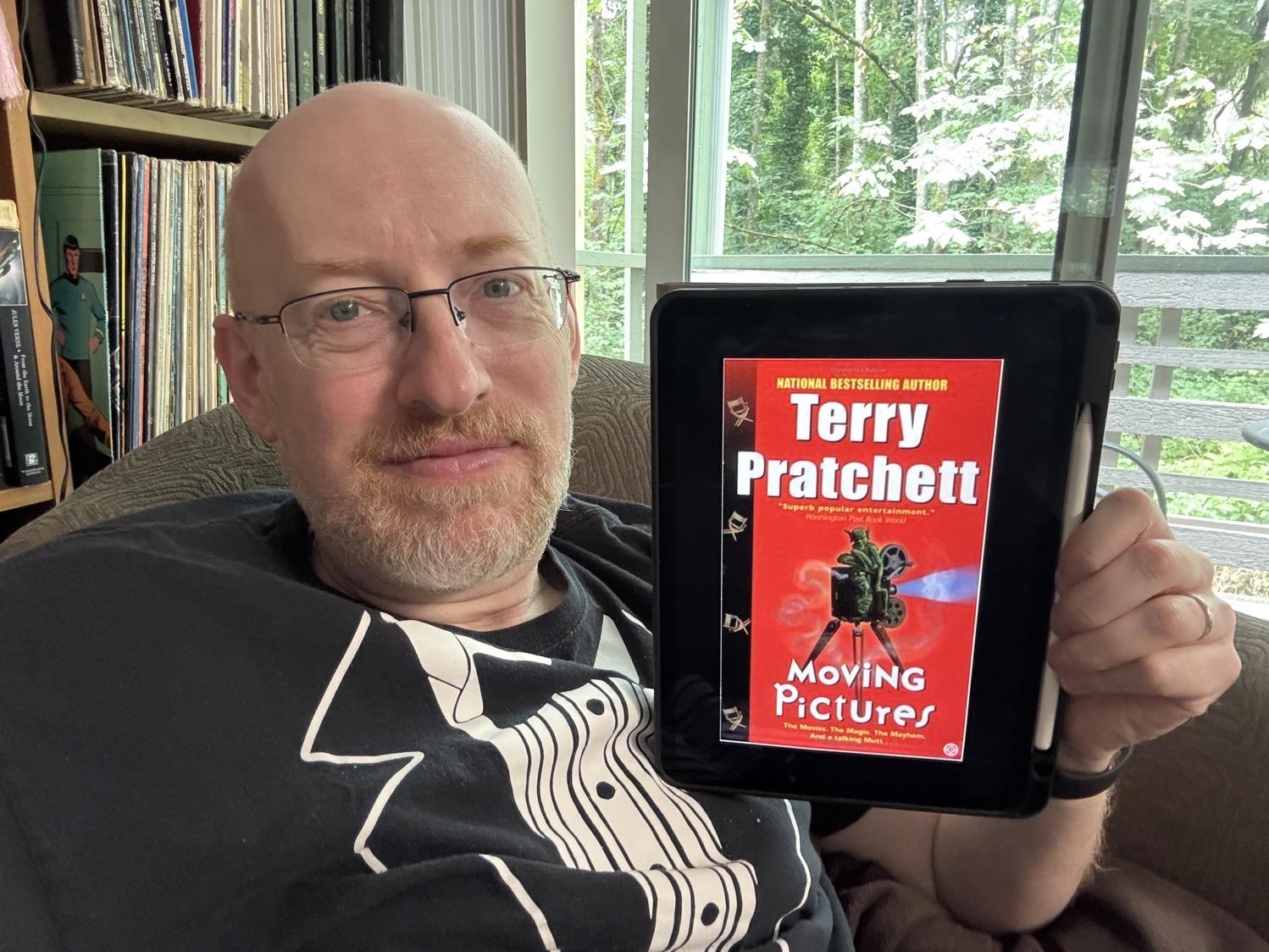
Book 35 of 2026: Moving Pictures by Terry Pratchett.
⭐️⭐️⭐️⭐️: A fun send-up of Hollywood and our tendency to lose ourselves in the “magic” of cinema, as told through the magic of Discworld. Got quite a few laughs out of this entry in the series.
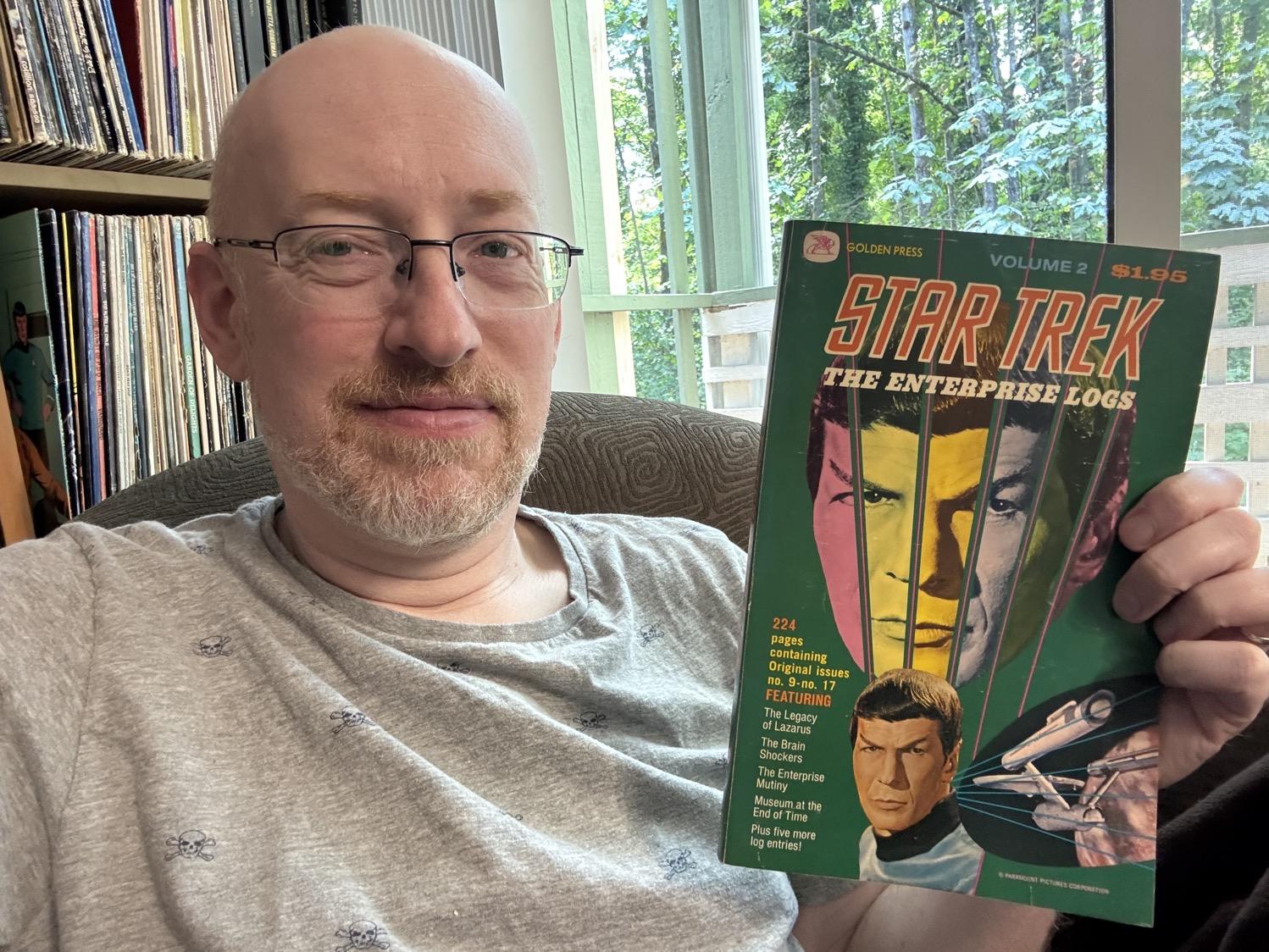
Book 34 of 2026: The Enterprise Logs Volume 2
⭐️⭐️⭐️: As with the first, it’s not so much about the actual quality as the cringe entertainment value.
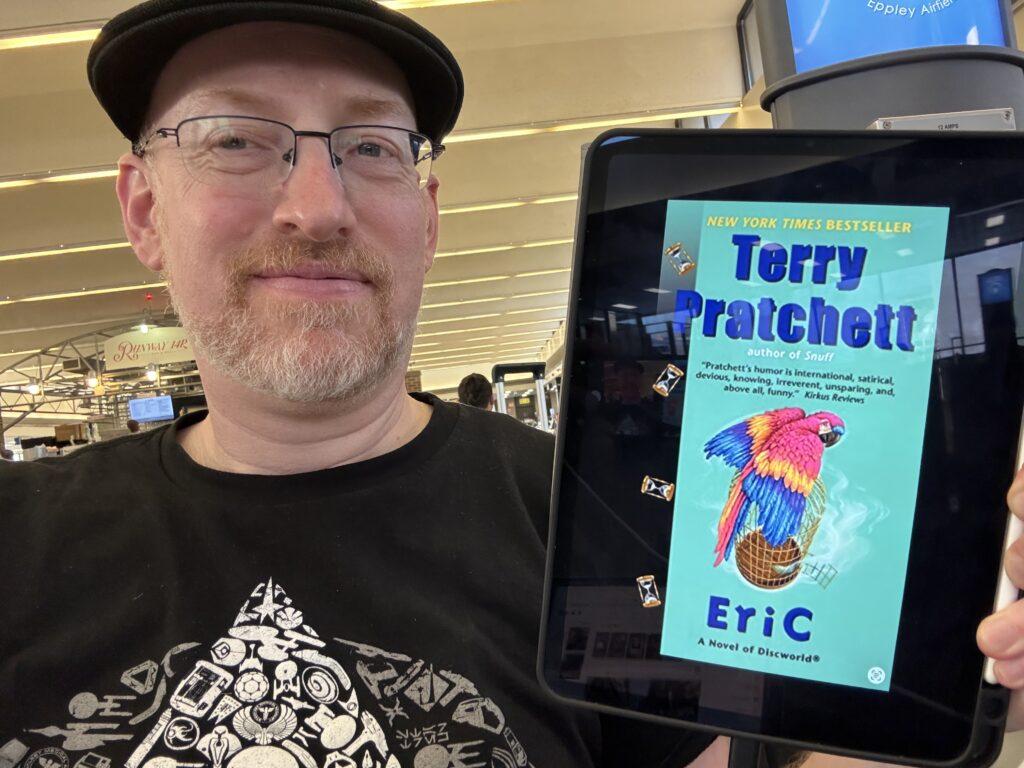
Book 33 of 2026: Eric by Terry Pratchett
⭐️⭐️⭐️: A shorter book, this is a relatively quick romp through a mashup of three wishes, Discworld’s version of The Odyssey (rather amusing, as I read this just as Christopher Nolan’s Odyssey film was in the theaters), and the joys of mid-level bureaucracy. Not bad, but not a standout.
Book 32 of 2026: Guards! Guards! by Terry Pratchett
⭐️⭐️⭐️: Dragons large and small, guards of somewhat questionable repute, and, of course, evil schemes for power. Another fun adventure with Pratchett’s undercurrent of social commentary throughout.