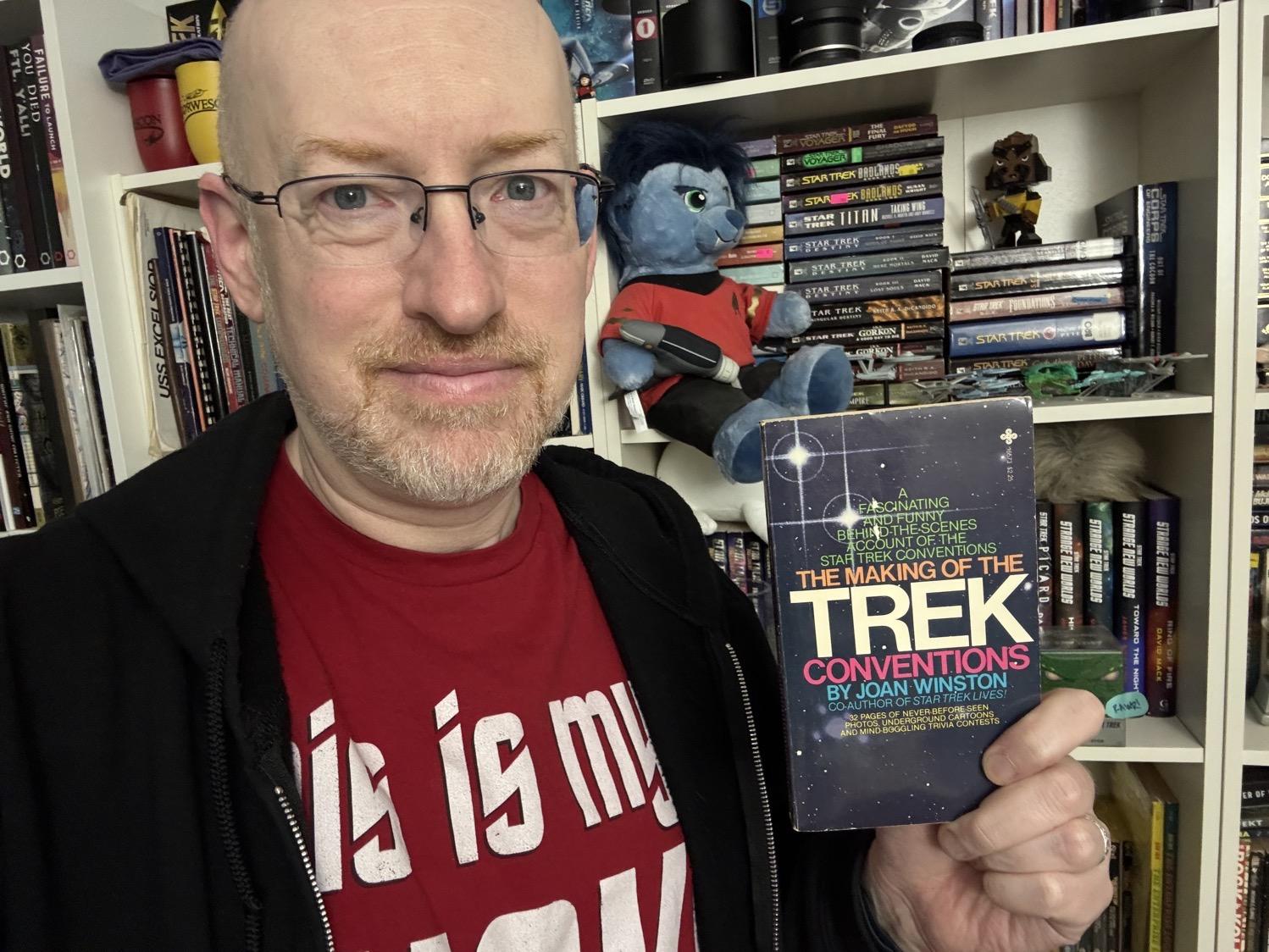
⭐️⭐️⭐️: Sits right in the center of a Venn diagram with “Star Trek Fans” and “Convention Goers/Conrunners”, which just so happens to be right where I sit too, so…yeah, this was fun. A breezy memoir of the earliest Star Trek fan conventions (except for the first, which is discussed in Star Trek Lives!), with lots of fun details of the behind-the-scenes adventures in putting on the conventions. All long before my convention going time (these cons were held between 1973 and 1976, and I was born in 1973), but even if time and technologies have changed, a lot of the conrunning shenanigans sounded very familiar. Anecdotes about the various Trek stars and other personalities who were the guests of the con mix in, and the whole thing is quite enjoyable.
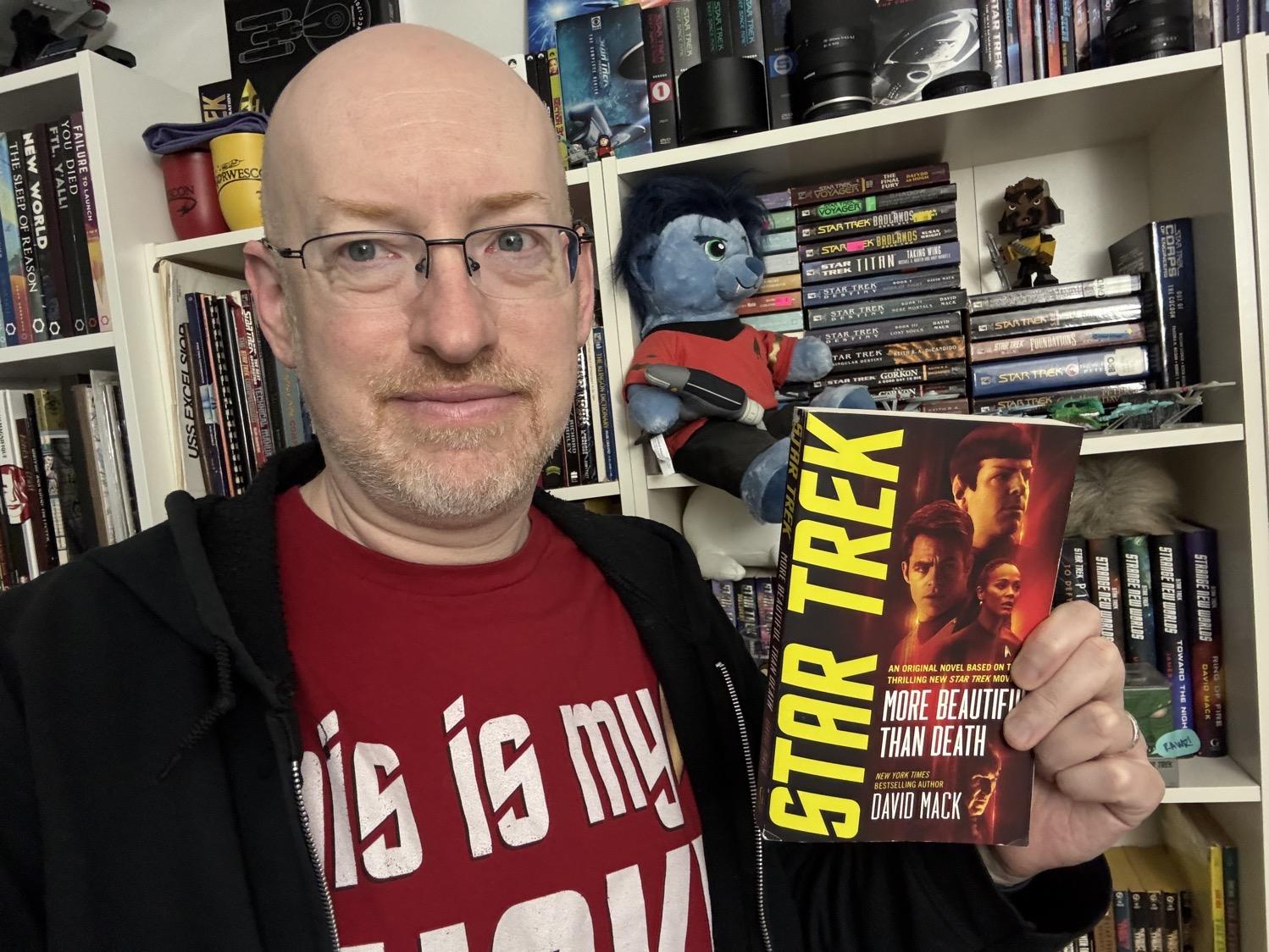
⭐️⭐️⭐️: Reading a Trek novel set in the Kelvin universe is…weird. I was curious about that when I started, as to whether the characters would feel like their Kelvinverse incarnations, or whether this would be your basic Trek adventure with different cover art. To Mack’s credit, the characters do seem to match with their Kelvinverse interpretations, particularly Kirk’s younger, less focused brashness and Spock’s less controlled self (McCoy is McCoy, thanks to the first Kelvin film’s writers and Urban’s performance). The “A plot” adventure is pretty standard Trek adventure, while the “B plot” storyline is more of a direct offshoot of the particular dynamics of the Kelvin universe, even bringing in a key character we never saw in the films. A decent read, but definitely feels a bit off compared to other Trek novels, but that’s likely just as it was meant to be. (It was probably an interesting exercise for Mack as well.)
Compounding the off-kilter feeling is that all this would have been odd enough if the book had been released and I’d read it back when the Kelvinverse was still an active thing. But to be reading it now, when I also have the DIS/SNW versions of Spock, Kirk, Uhura, and Scotty front and center in my mind makes it even weirder. My mental images of the characters kept shifting among their various on-screen presentations. Definitely a little bizarre — similar to reading some of the earliest Trek fiction, actually, from before there as any real oversight of the books and authors (sometimes coming out of the early fanfic communities) were taking some real wild swings at the characters.
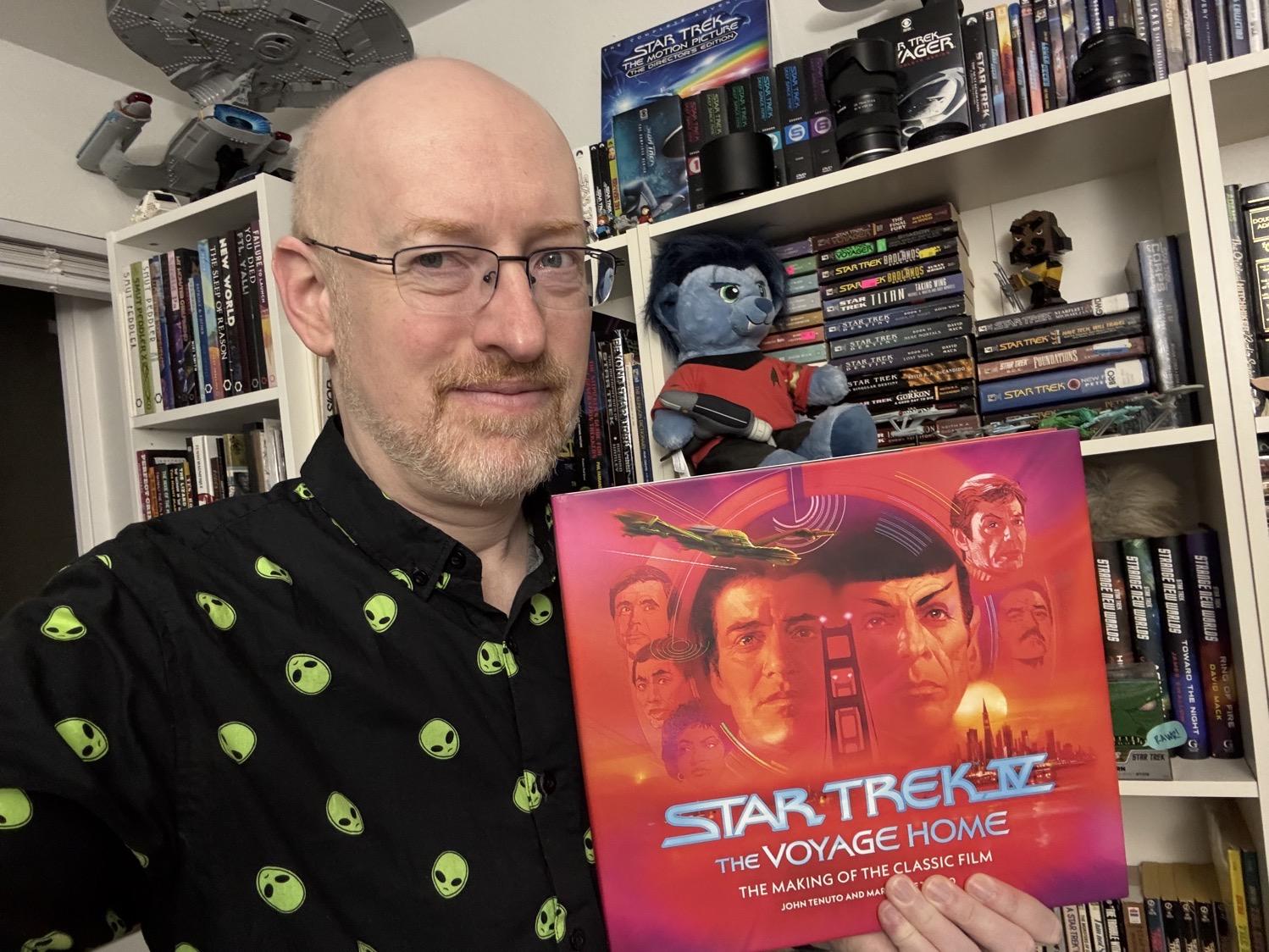
⭐️⭐️⭐️⭐️: Another good entry in the Tenutos’ series of “making of” books for the Star Trek films, now covering the “Genesis trilogy” of films II-IV. The same coffee table book style, with lots of photos and interviews throughout. This one features an introduction by Kirk Thatcher (the punk on the bus), and I particularly appreciated the chapter looking at matte paintings and the artists behind them. Books like this always make me a little sad that today’s computer effects mean that so much of this physical artistry has gone by the wayside.
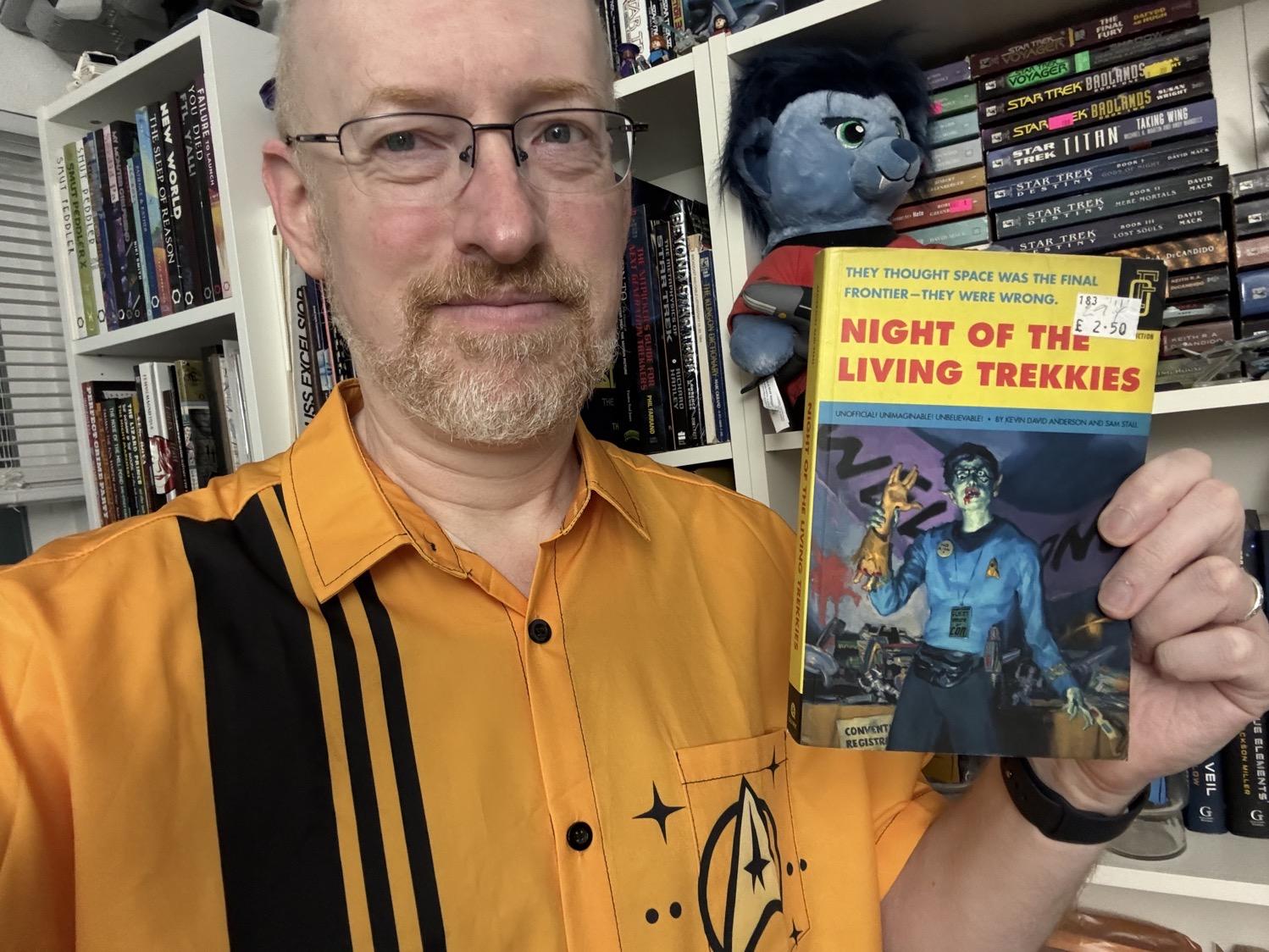
⭐️⭐️⭐️: An entertaining adventure as a Star Trek convention becomes ground zero for the zombie apocalypse. A few things here and there that bothered me a bit, but mostly nothing really major. The biggest thing for me was that the authors couldn’t resist giving nearly every person and place very obvious Trek nods for names (the hero is Jim Pike, the hotel is the Botany Bay, and many, many others), and yet, somehow, it seems that none of the die-hard Trek fans at the convention ever notice this or think it’s at all noteworthy. While identifying the names was a fun mini-game as I read, within the context of the story, it broke my suspension of disbelief (apparently, zombies are fine, but insufficiently observant and pedantic Trekkies is over the line).
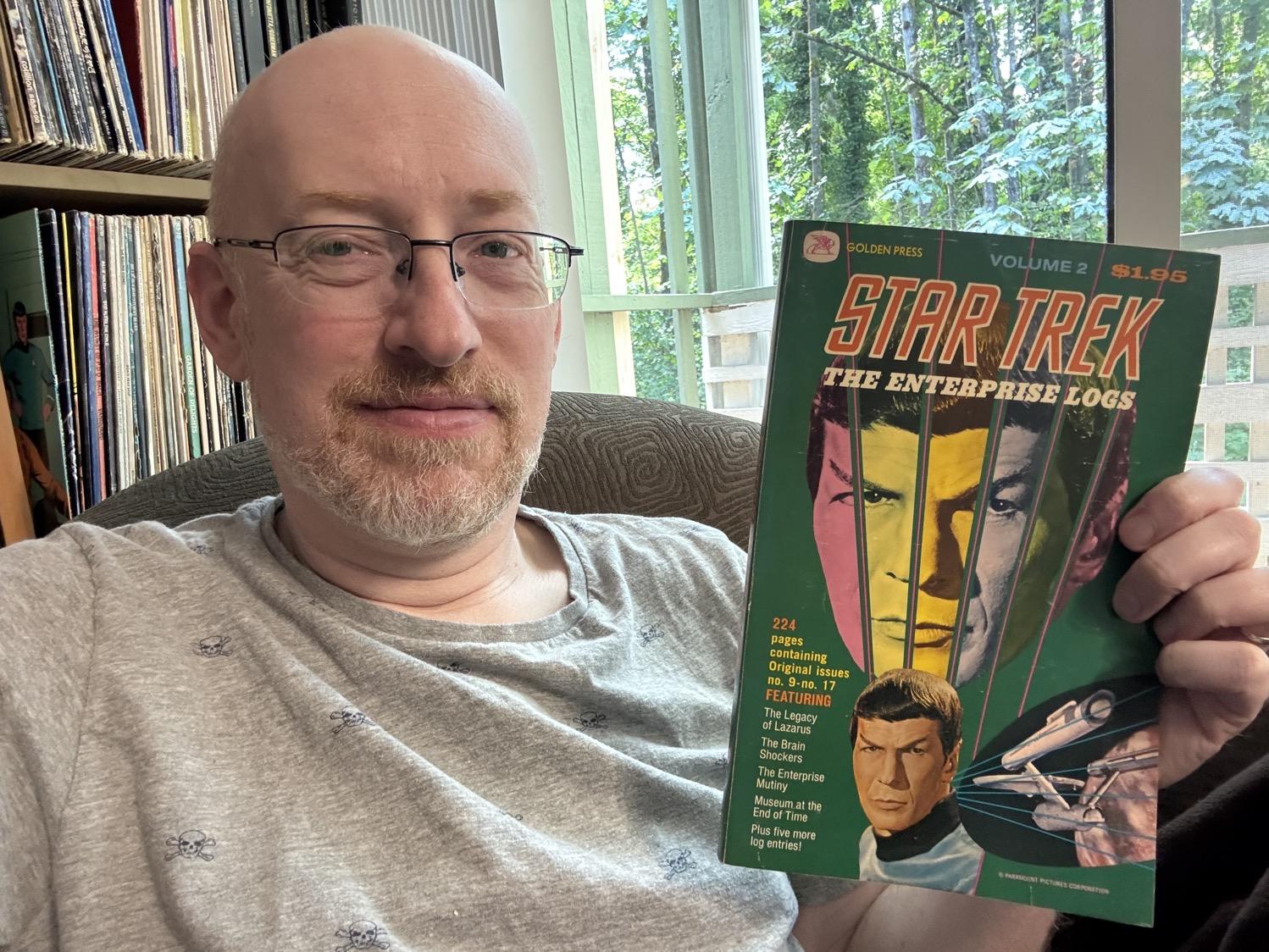
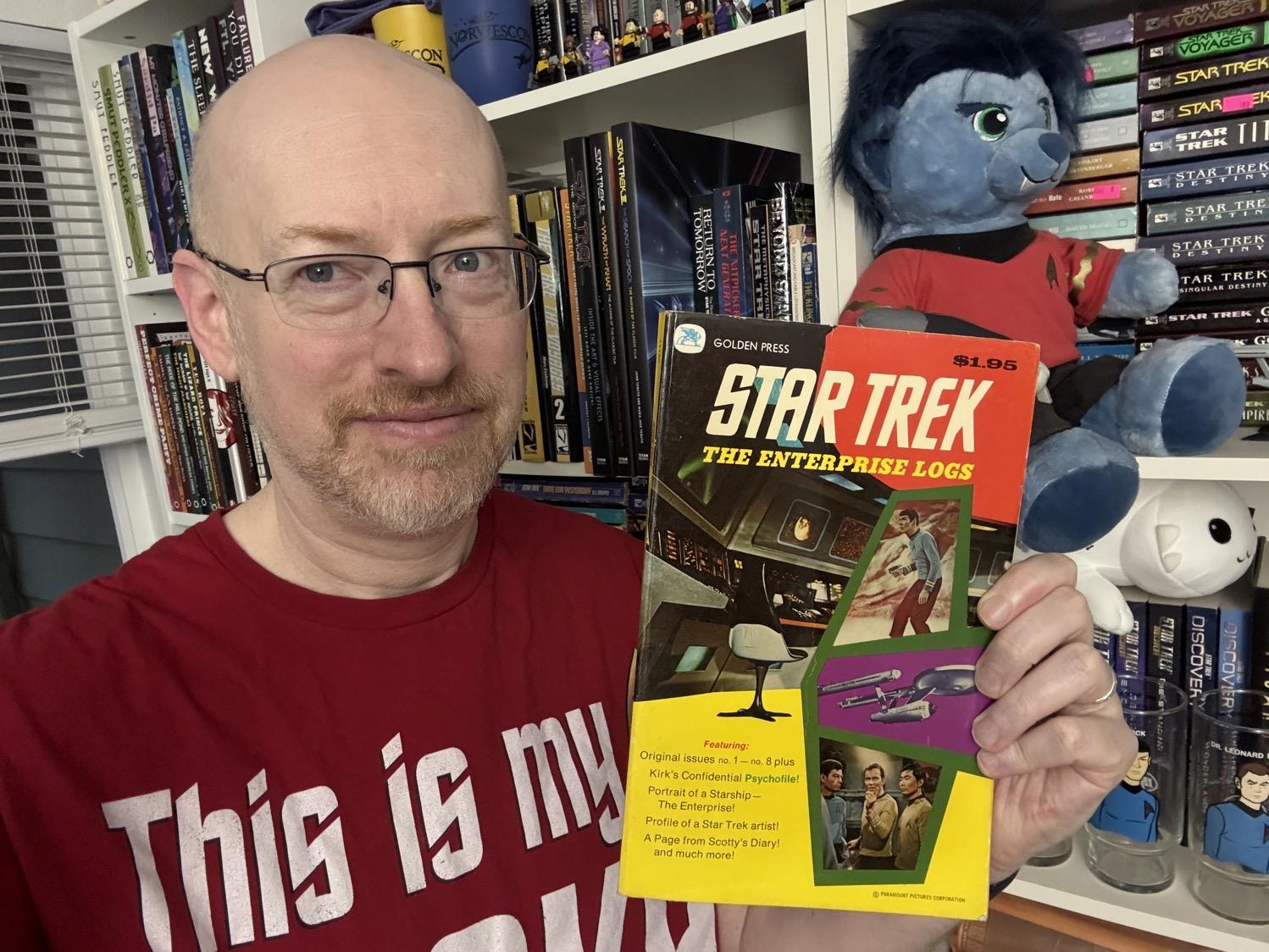
⭐️⭐️⭐️: Look – by just about any realistic objective measure (script, plot, science, fidelity to nearly any aspect of Star Trek, printing quality, etc.), these are bad; two stars would be generous. But as artifacts of 1970s Trek comics medium, they’re certainly entertaining, if in a very cringey sort of way. Not really worth looking for unless you’re a Trek and/or comics collector, but if you run across them and are curious, you’ll likely get some chuckles.
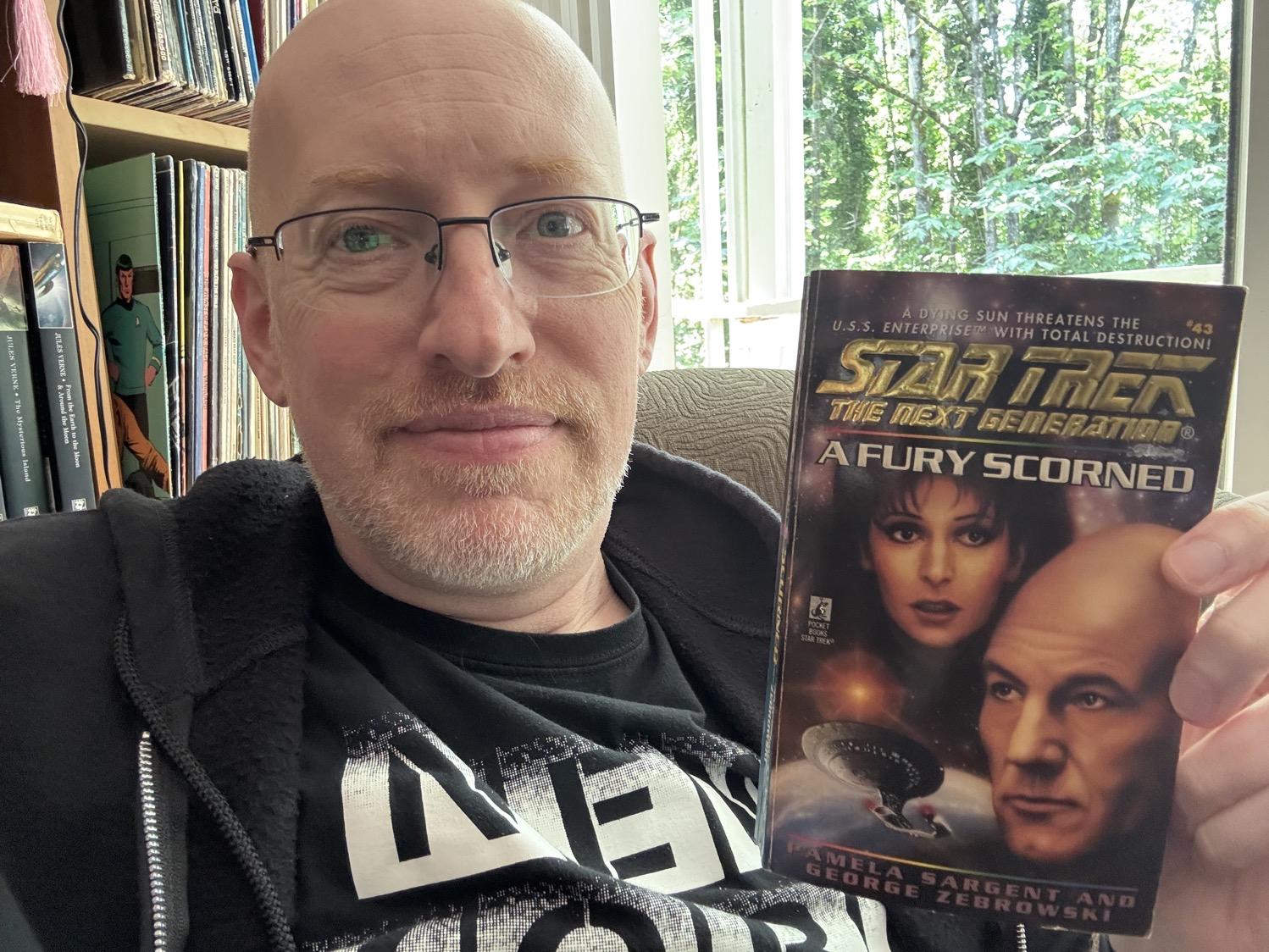
Book 29 of 2026: A Fury Scorned by Pamela Sargent and George Zebrowski.
⭐️⭐️⭐️: The Enterprise is called to assist a planet about to be destroyed, and is unable to rescue the entire population. A subplot of seeing if they can pull off a miracle (guess what…), but most interesting as the crew actually attempts to grapple with their inability to save everyone. More introspective than most Trek novels.
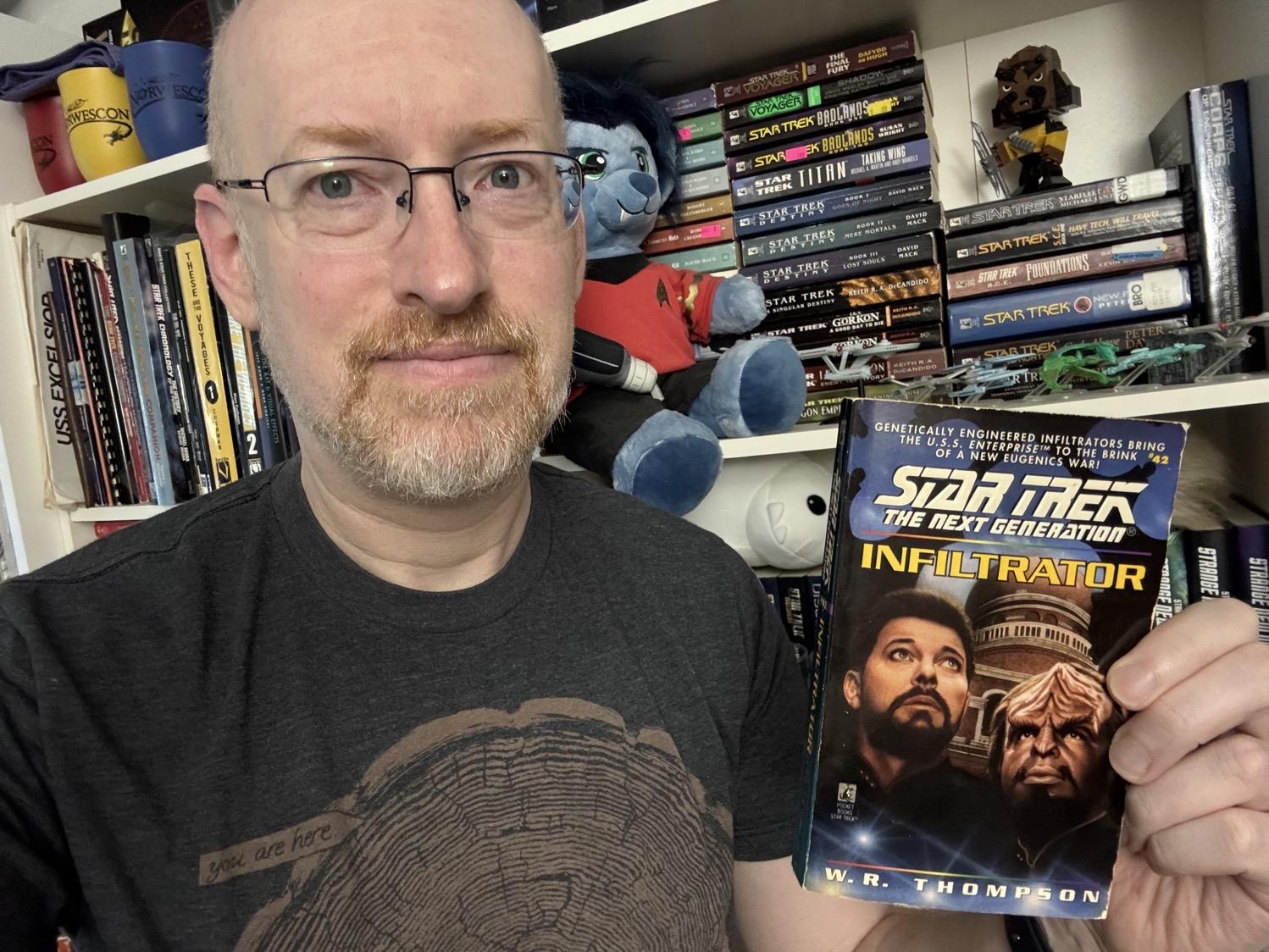
⭐️⭐️⭐️⭐️: Descendants of Khan and his compatriots face off against the Federation. I found this one to be above average, with much of it being something of an early take on the same issues explored by Strange New Worlds with Number One’s status as an Illyrian in hiding, expanded to explore how a society of genetically engineered humans might deal with how they’d be perceived by the Federation. As often happens with any eugenics storyline, it would be improved if the Federation was more honest and introspective about how initial fear and caution has developed into long-standing systemic bigotry, but as Star Trek has yet to really tackle that aspect of the universe, I wouldn’t really have expected it from a thirty-year-old novel.
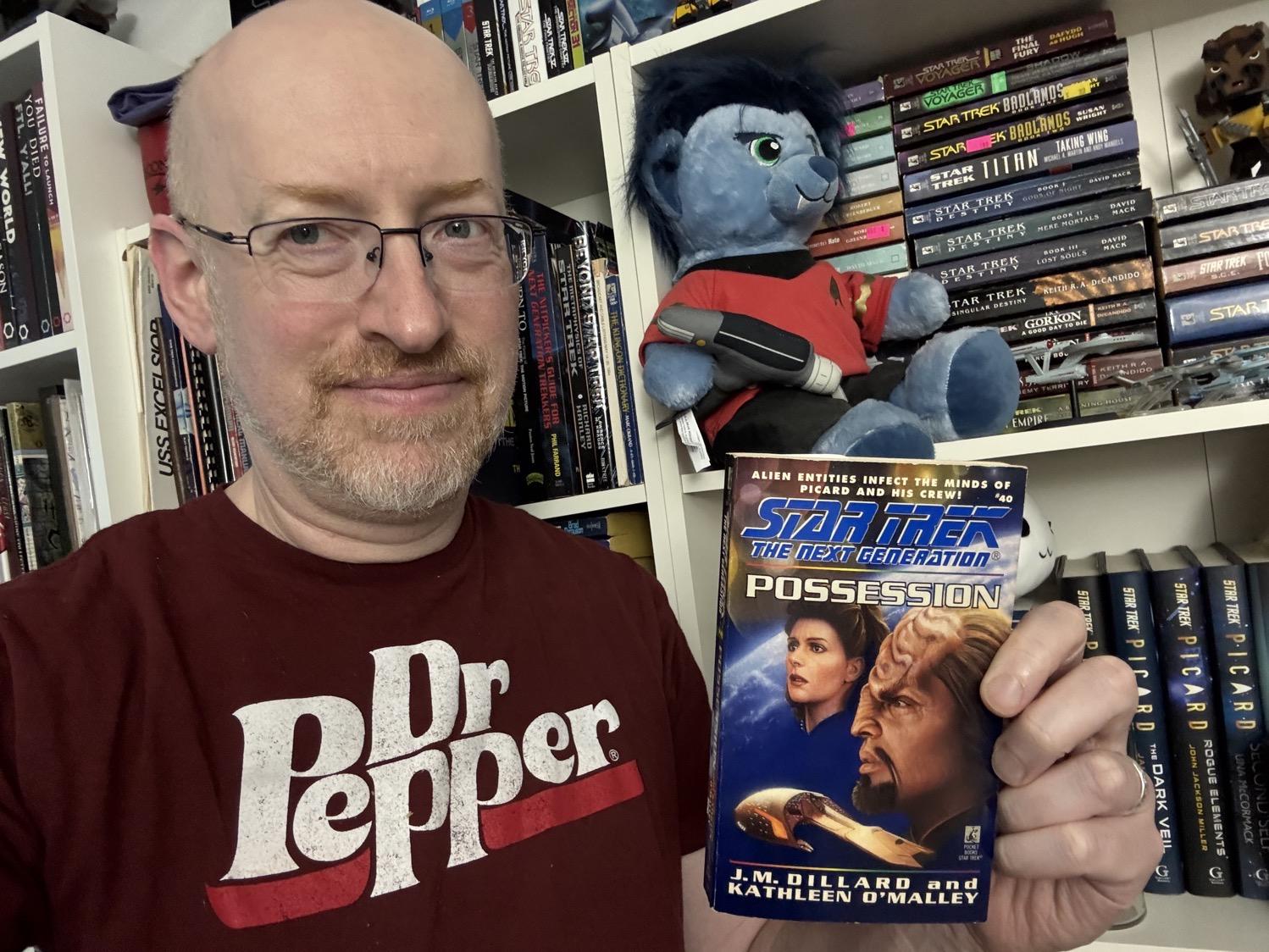
Book 24 of 2026: Possession by J.M. Dillard and Kathleen O’Malley.
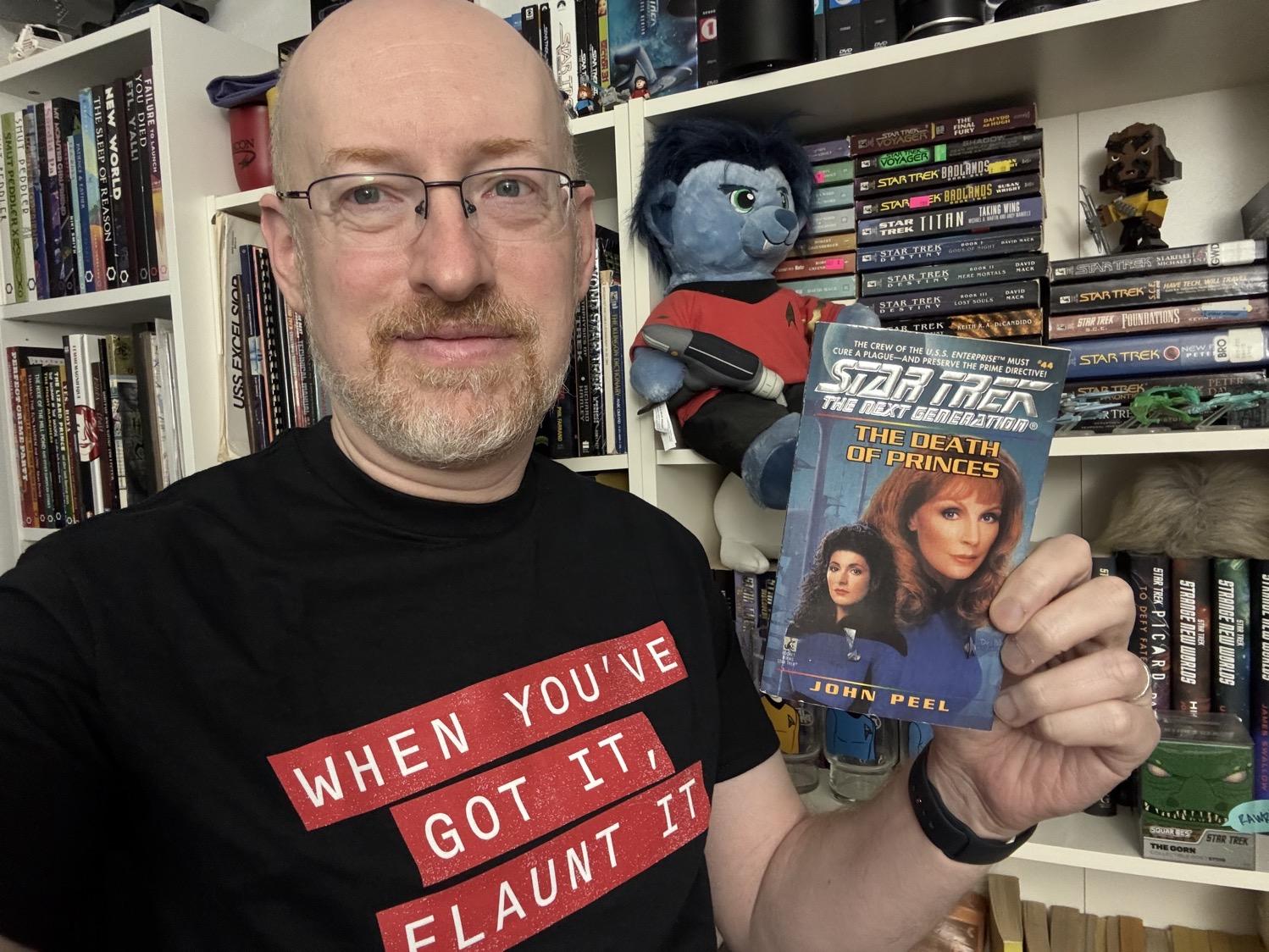
⭐️⭐️⭐️: A horror-ish entry, as malevolent alien entities possess the crew. A little slow to start, but not bad, with some nice moments focusing on Worf’s home life with Alexander.