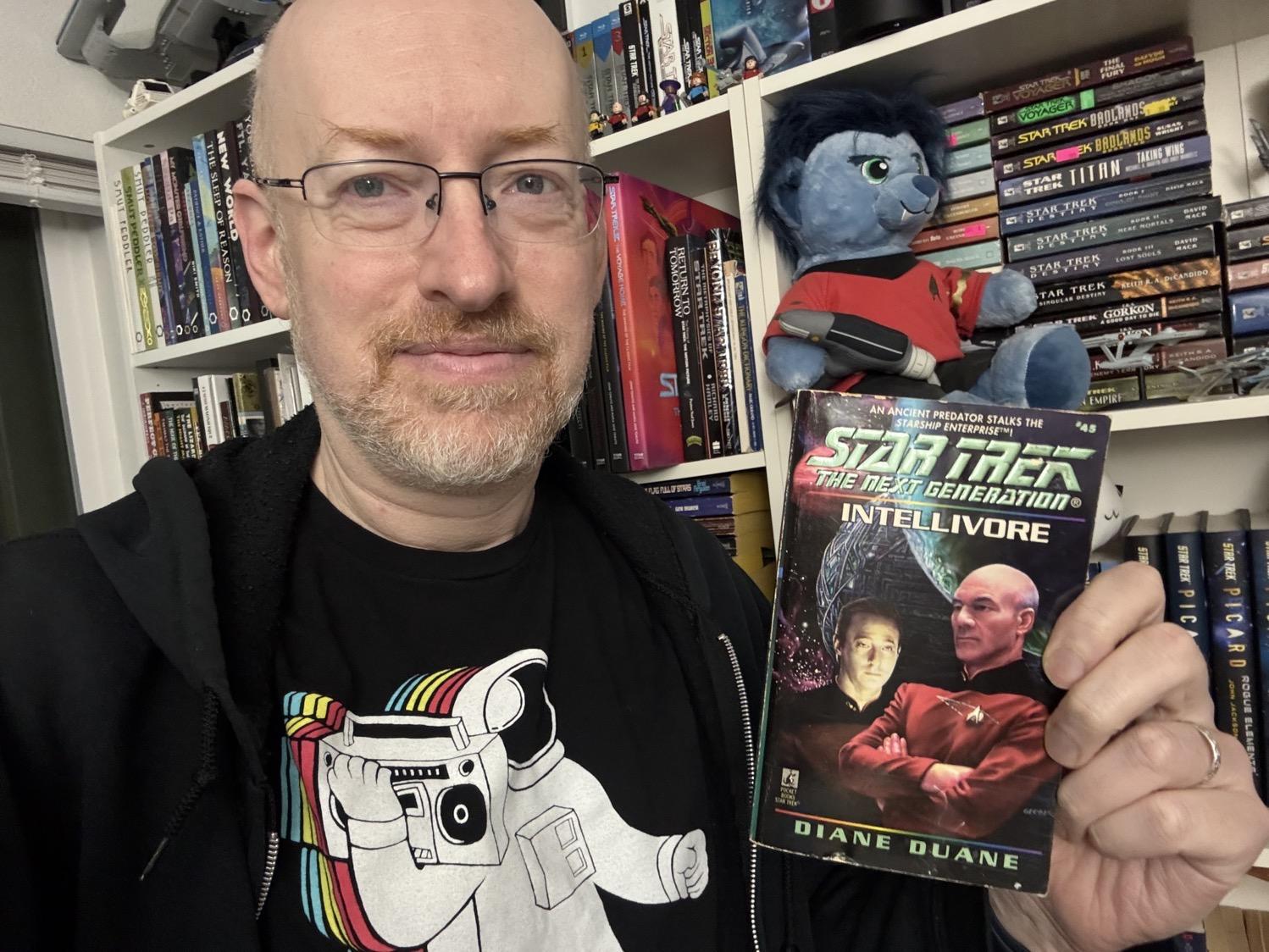
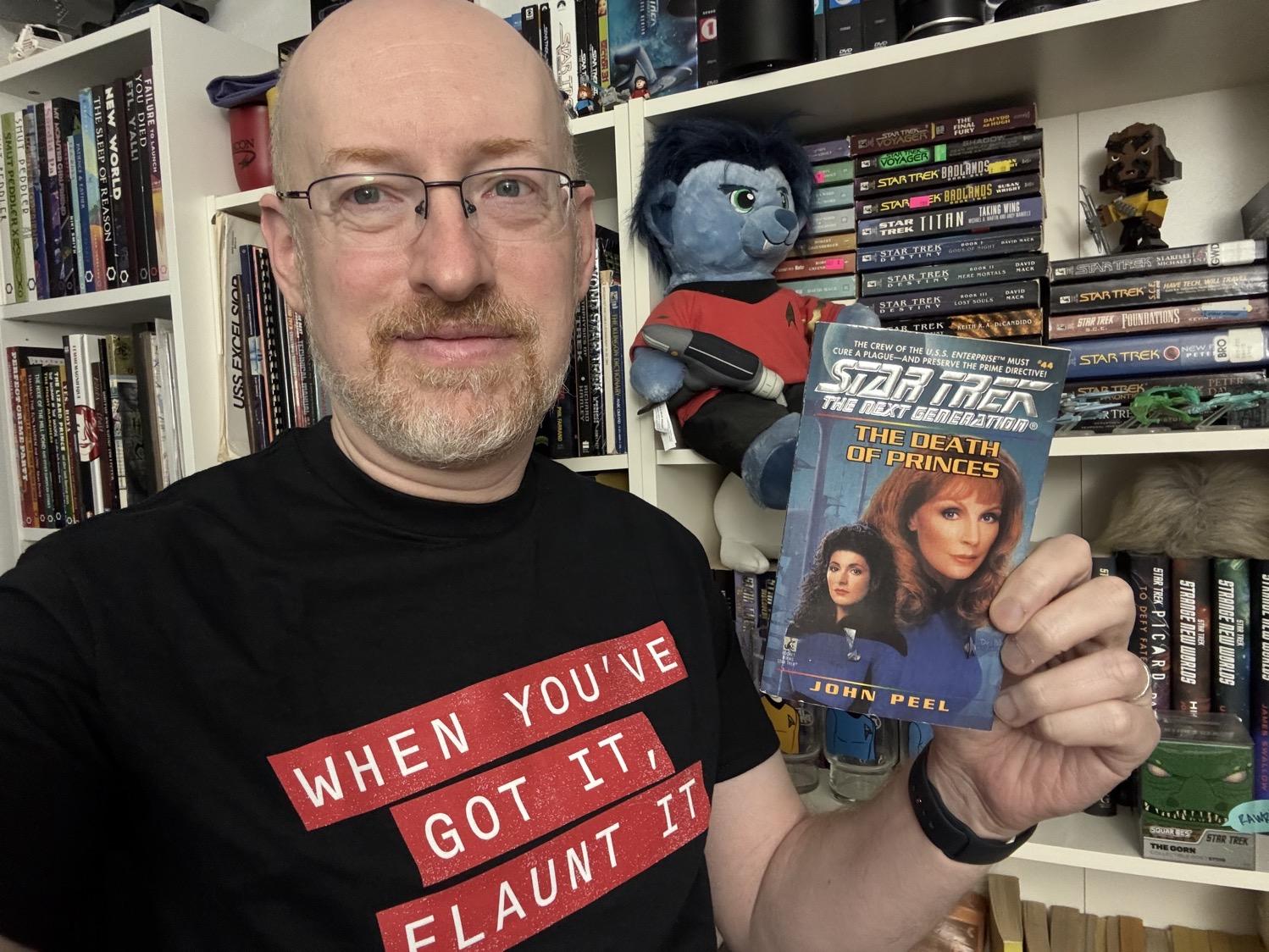
⭐️⭐️⭐️: The Enterprise and two other ships go chasing mysterious disappearances in a little-explored region of space. A bit of a slow burn, with the baddie not really showing up until about 3/4 of the way through, but this leaves time for discussions between Picard and the other captains. Weird cover art, though, with Data looking particularly off.
⭐️⭐️⭐️: A dark but interesting LitRPG adventure, something of a blend of SF (in the framing world) and F (in the online world). Not being much of a gamer, and with one book of Dungeon Crawler Carl being my only other experience with LitRPG, I wasn’t sure where I’d end up on this, but it ended up keeping me invested. Where DCC uses a “what if the world became a game” setup, this is a more straightforward scenario as we follow the main character both in the real world and as they play a VR MMORPG game. Game mechanics were definitely present, but not so much as to bore me (who doesn’t play this kind of game), and the overall story arcs in and out of the game (including the requisite Evil Corporation Doing Sinister Things) were intriguing enough. This is a situation where I wish the publishing industry were in a different spot; I’m invested enough that I’d keep reading at ebook or mass market paperback prices ($6-$10), but not at trade paperback or hardcover prices ($20-$30), and unfortunately, the ebooks are only offered within the Kindle ecosystem, which I don’t do. I’ll definitely keep an eye out for used copies, though.
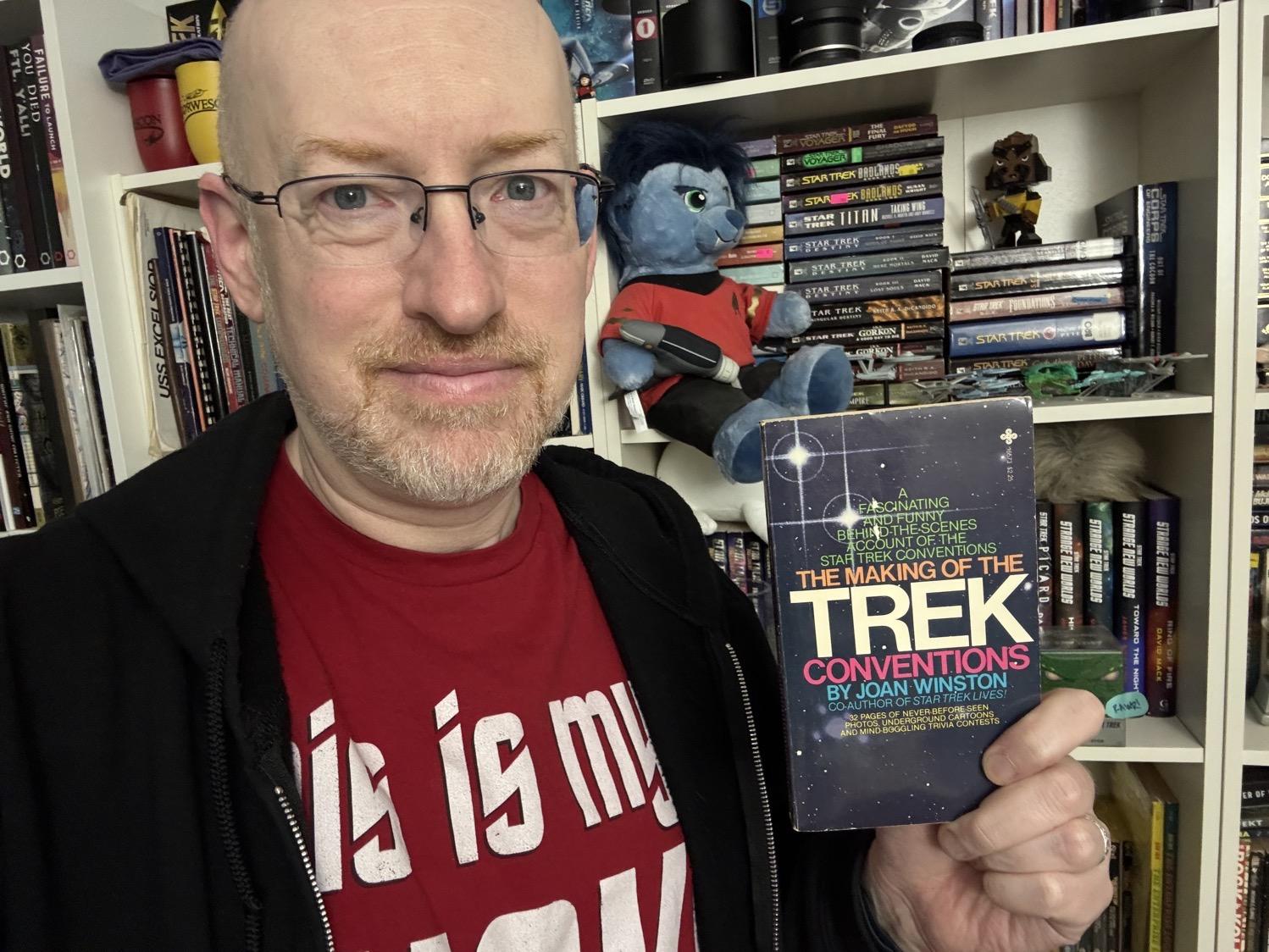
⭐️⭐️⭐️: Sits right in the center of a Venn diagram with “Star Trek Fans” and “Convention Goers/Conrunners”, which just so happens to be right where I sit too, so…yeah, this was fun. A breezy memoir of the earliest Star Trek fan conventions (except for the first, which is discussed in Star Trek Lives!), with lots of fun details of the behind-the-scenes adventures in putting on the conventions. All long before my convention going time (these cons were held between 1973 and 1976, and I was born in 1973), but even if time and technologies have changed, a lot of the conrunning shenanigans sounded very familiar. Anecdotes about the various Trek stars and other personalities who were the guests of the con mix in, and the whole thing is quite enjoyable.
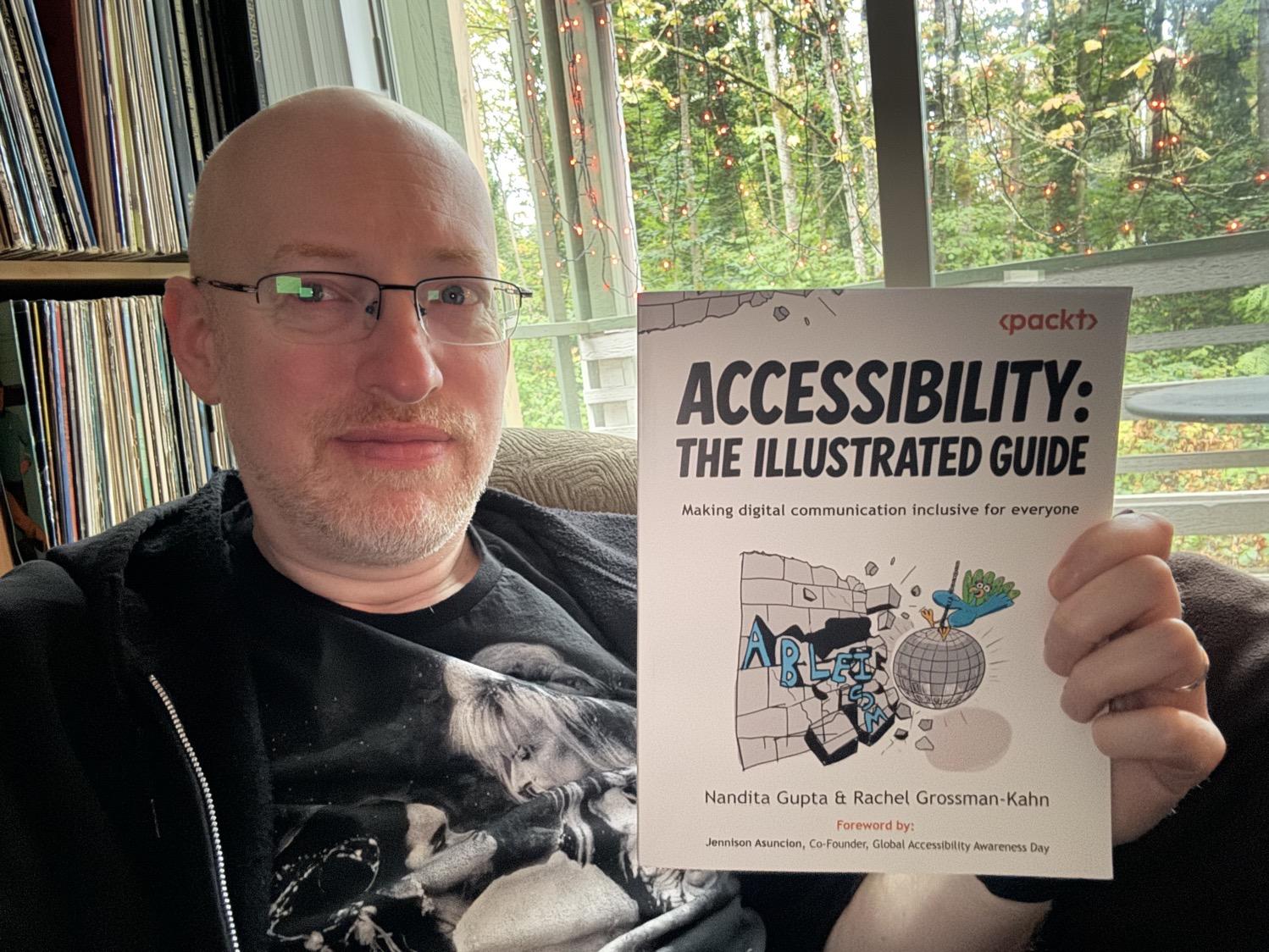
⭐️⭐️⭐️⭐️: An excellent (and cute) introduction to digital accessibility; less of a detailed “how to” than a good “here’s what to think about and why” starting point. While there wasn’t much new for me, a refresher is never a bad thing, and it’s always good to see how other people explain and convey the concepts and to think about how I do the same and what I might want to adjust in my work.
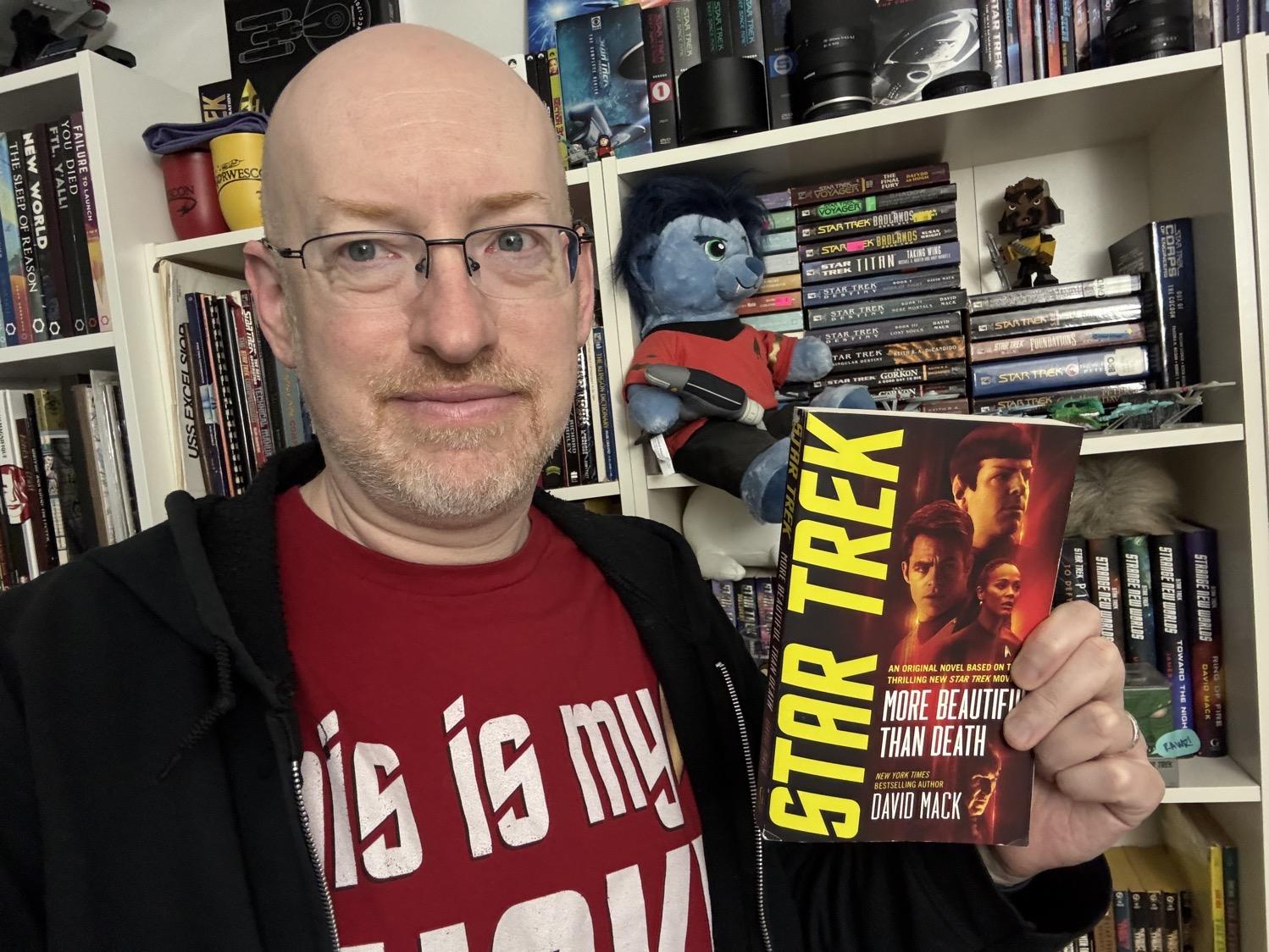
⭐️⭐️⭐️: Reading a Trek novel set in the Kelvin universe is…weird. I was curious about that when I started, as to whether the characters would feel like their Kelvinverse incarnations, or whether this would be your basic Trek adventure with different cover art. To Mack’s credit, the characters do seem to match with their Kelvinverse interpretations, particularly Kirk’s younger, less focused brashness and Spock’s less controlled self (McCoy is McCoy, thanks to the first Kelvin film’s writers and Urban’s performance). The “A plot” adventure is pretty standard Trek adventure, while the “B plot” storyline is more of a direct offshoot of the particular dynamics of the Kelvin universe, even bringing in a key character we never saw in the films. A decent read, but definitely feels a bit off compared to other Trek novels, but that’s likely just as it was meant to be. (It was probably an interesting exercise for Mack as well.)
Compounding the off-kilter feeling is that all this would have been odd enough if the book had been released and I’d read it back when the Kelvinverse was still an active thing. But to be reading it now, when I also have the DIS/SNW versions of Spock, Kirk, Uhura, and Scotty front and center in my mind makes it even weirder. My mental images of the characters kept shifting among their various on-screen presentations. Definitely a little bizarre — similar to reading some of the earliest Trek fiction, actually, from before there as any real oversight of the books and authors (sometimes coming out of the early fanfic communities) were taking some real wild swings at the characters.
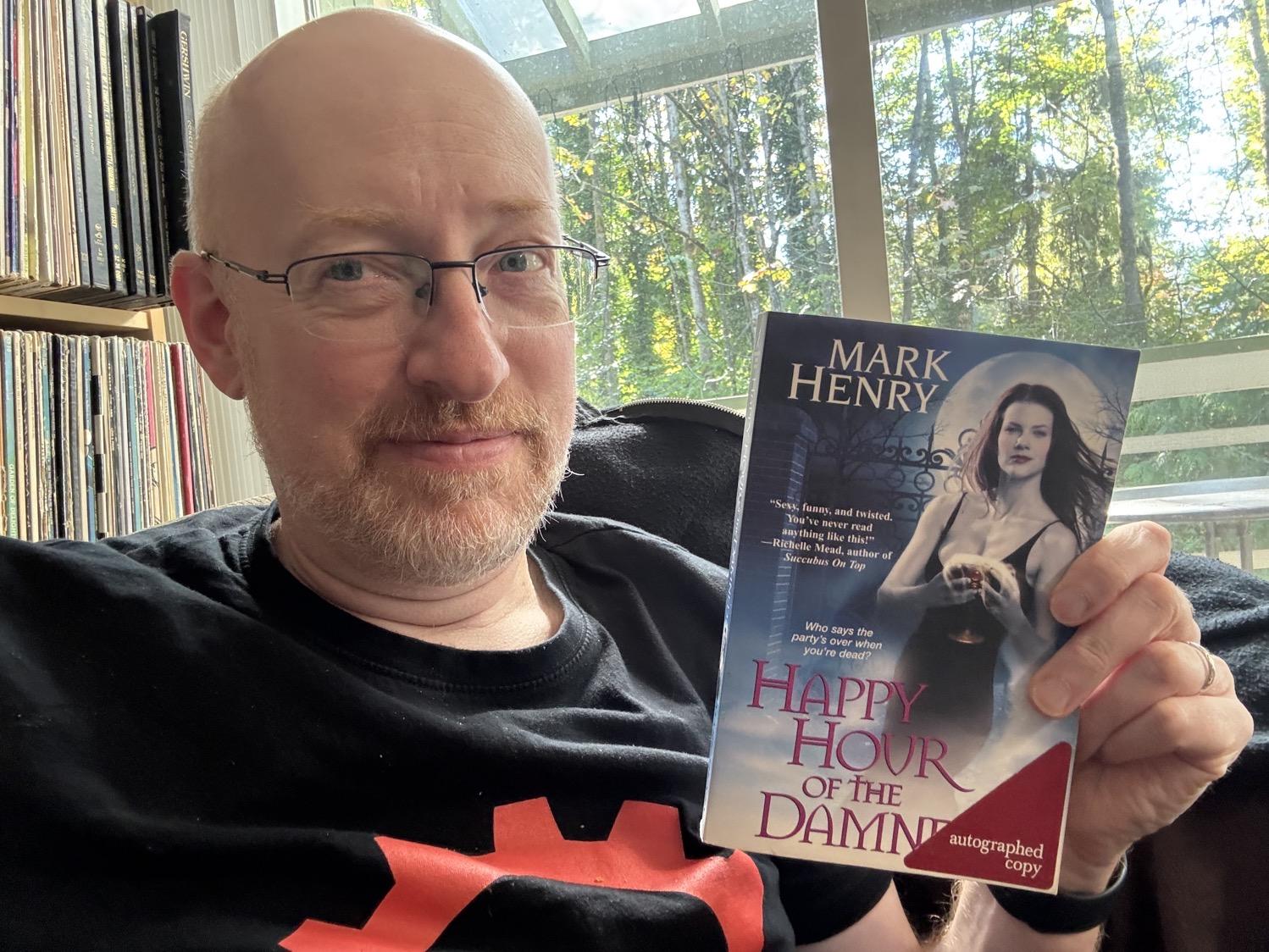
⭐️⭐️: I picked this (and its first two sequels) up at the local library book sale a while ago on a whim, as cheesy urban fantasy set in Seattle sounded amusing. Finally got around to reading this one, and it will be going right into the donate pile, along with the next two (still unread). It’s not nearly as funny as it wants to think it is, the plot meanders and gets frequently sidetracked, none of the characters are all that interesting or likable, and there are far too many instances of miss-used commas, the r-slur, fatphobia, and casual transphobia. The highlights were the occasional playlists; if nothing else, the author does at least seem to have decent taste in music.
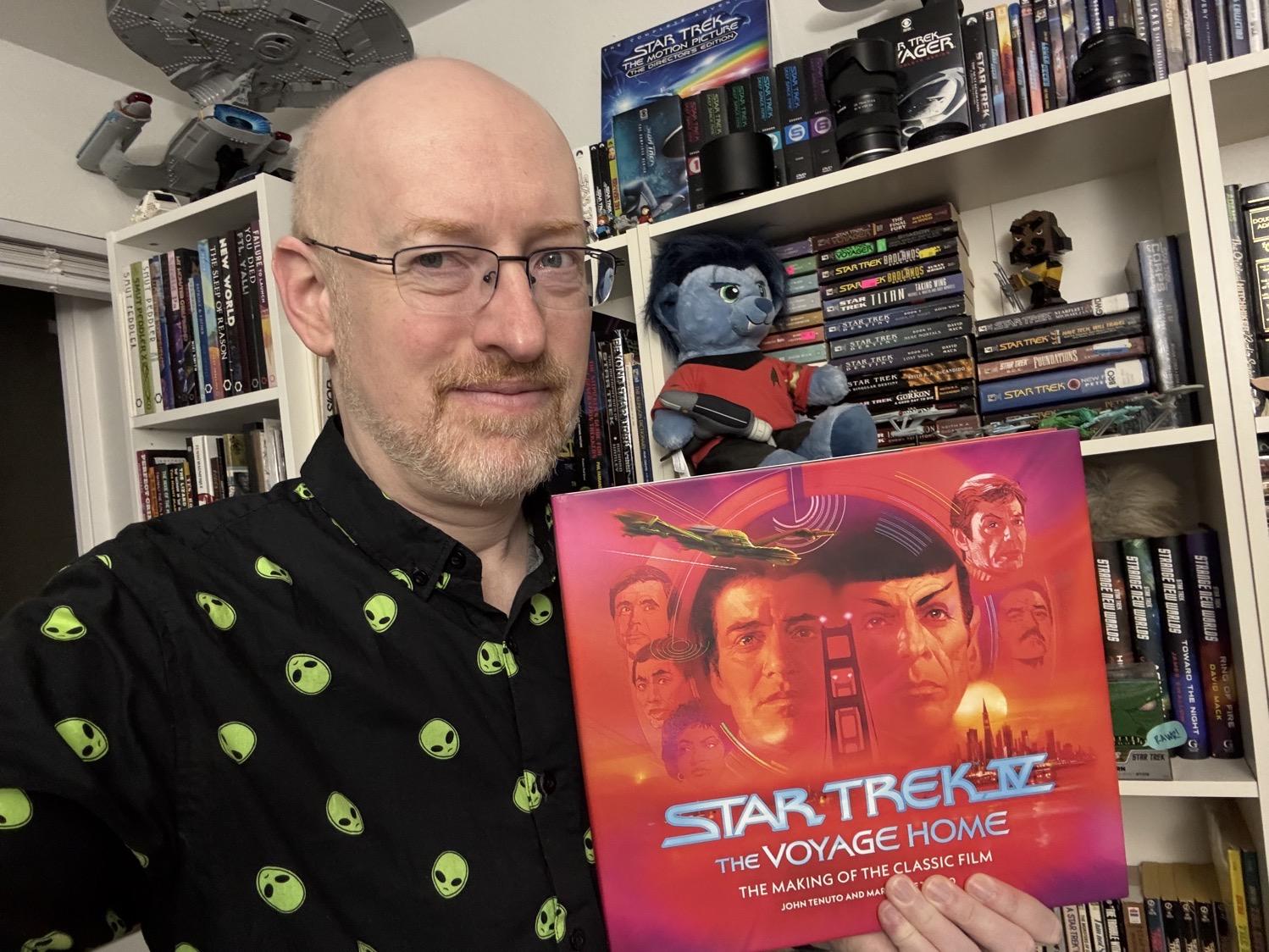
⭐️⭐️⭐️⭐️: Another good entry in the Tenutos’ series of “making of” books for the Star Trek films, now covering the “Genesis trilogy” of films II-IV. The same coffee table book style, with lots of photos and interviews throughout. This one features an introduction by Kirk Thatcher (the punk on the bus), and I particularly appreciated the chapter looking at matte paintings and the artists behind them. Books like this always make me a little sad that today’s computer effects mean that so much of this physical artistry has gone by the wayside.
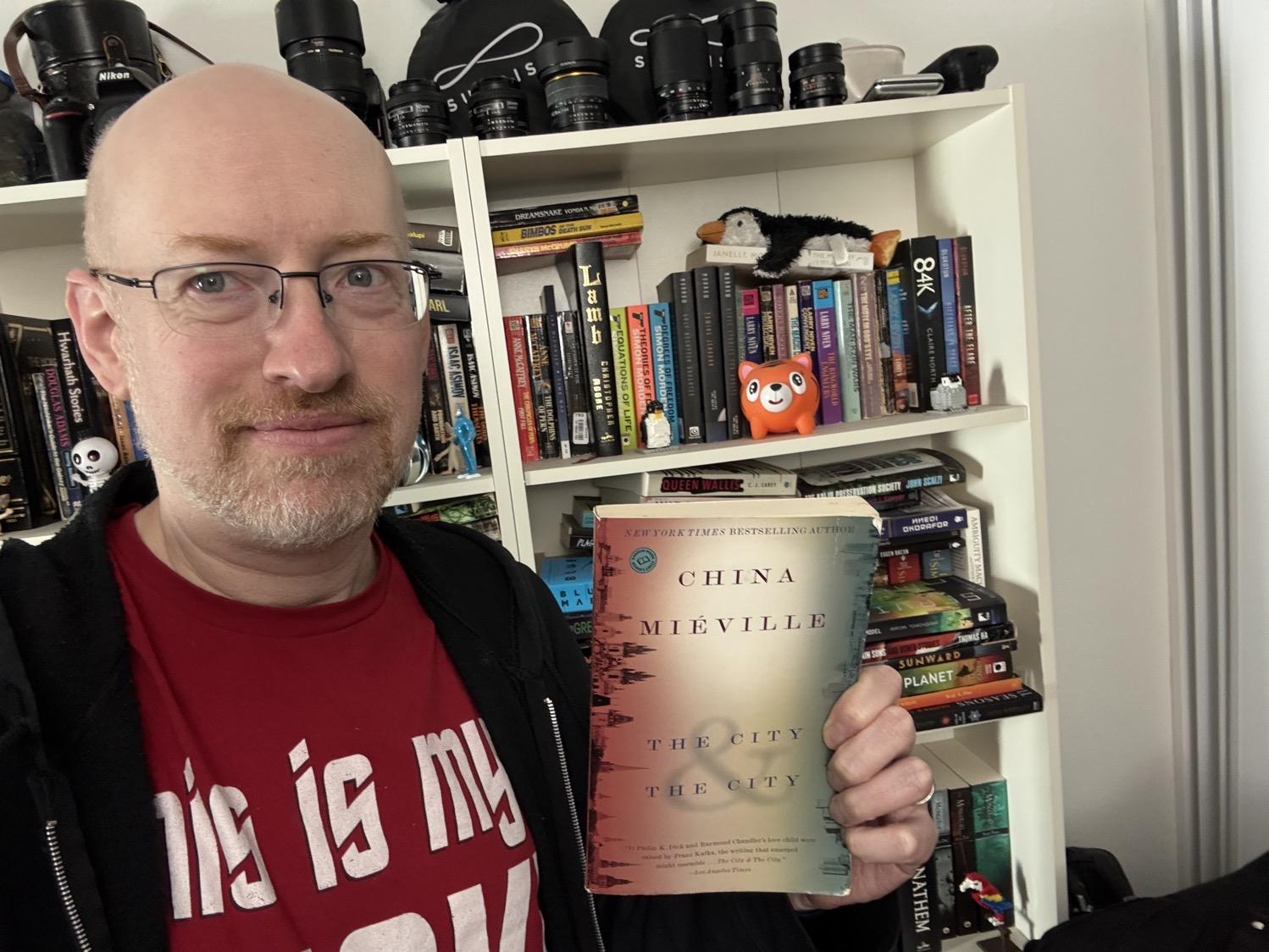
Book 42 of 2026: The City and The City by China Miéville. 2010 Hugo Best Novel winner (tied with Paolo Bacigalupi’s The Windup Girl).
⭐️⭐️⭐️⭐️⭐️: Mostly a crime noir, but set in two cities that share the same physical space but do not interact. The crime novel part is a good mystery; the setting itself is fascinating and has me looking at the spaces I live in differently.
Absolutely baffled that this tied with The Windup Girl, which I gave one star and was sorely tempted not to finish. What was up with the Hugo voters in 2010?
⭐️⭐️⭐️⭐️⭐️: Pratchett takes on religion, belief, godhood, corruption, holy wars, goodness, and compassion, and does it all with style, humor, and heart. The Turtle moves.