Happy holidays (part two)!
Well, we wrapped up 2025…and as happy as we were to see 2025 end, 2026 is already looking to keep the dumpster fires burning bright.
At work, the week was fine. Back in the office this week, though as it was still in the holiday break, it was another pretty slow week. Next week classes start, so things will pick back up again. The slowdown is always nice, but it’ll also be good to have things back to normal after the holidays.
Here at home, we had a nice quiet New Year’s Eve. It was even a bit quieter than we expected, as there weren’t as many local unsanctioned fireworks as there have been in years past.
Out in the wider world, though, we all woke up one morning just a few days into the year to discover that the US had invaded Venezuela and abducted its president and his wife. Because…sigh. We are continuing to speed run becoming everything as a country that I was brought up being told that we weren’t. And even though the older I get and the more I learn, the more obvious it is how far we always have been from the ideals we claimed to uphold, it’s still mind-boggling to be where we are now.
As I said on Mastodon: “I’m confused: Is being a brown-skinned person accused of being involved with drugs something that gets you kidnapped and forcibly kicked out of the country or kidnapped and forcibly brought into the country?”
Though really, after what we saw of Trump in his first term and so far in his second, the only thing that’s really surprising me about all of this is how many people are just…going along with it (most notably Congress — especially, but not at all limited to, the Republican party — and the Supreme Court). The system of checks and balances has apparently given up trying to either check or balance, and that’s perhaps the most troubling part of all of this.
📸 Photos

📝 Writing
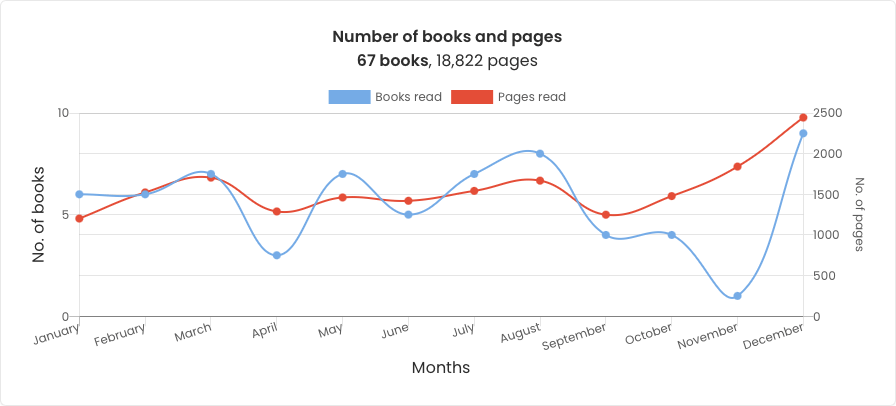
This week I recorded my responses to the current SFWA survey on AI use in the SFF writing/publishing industry, did my annual reading wrap-up for the year, and posted my resolutions for this year.
📚 Reading
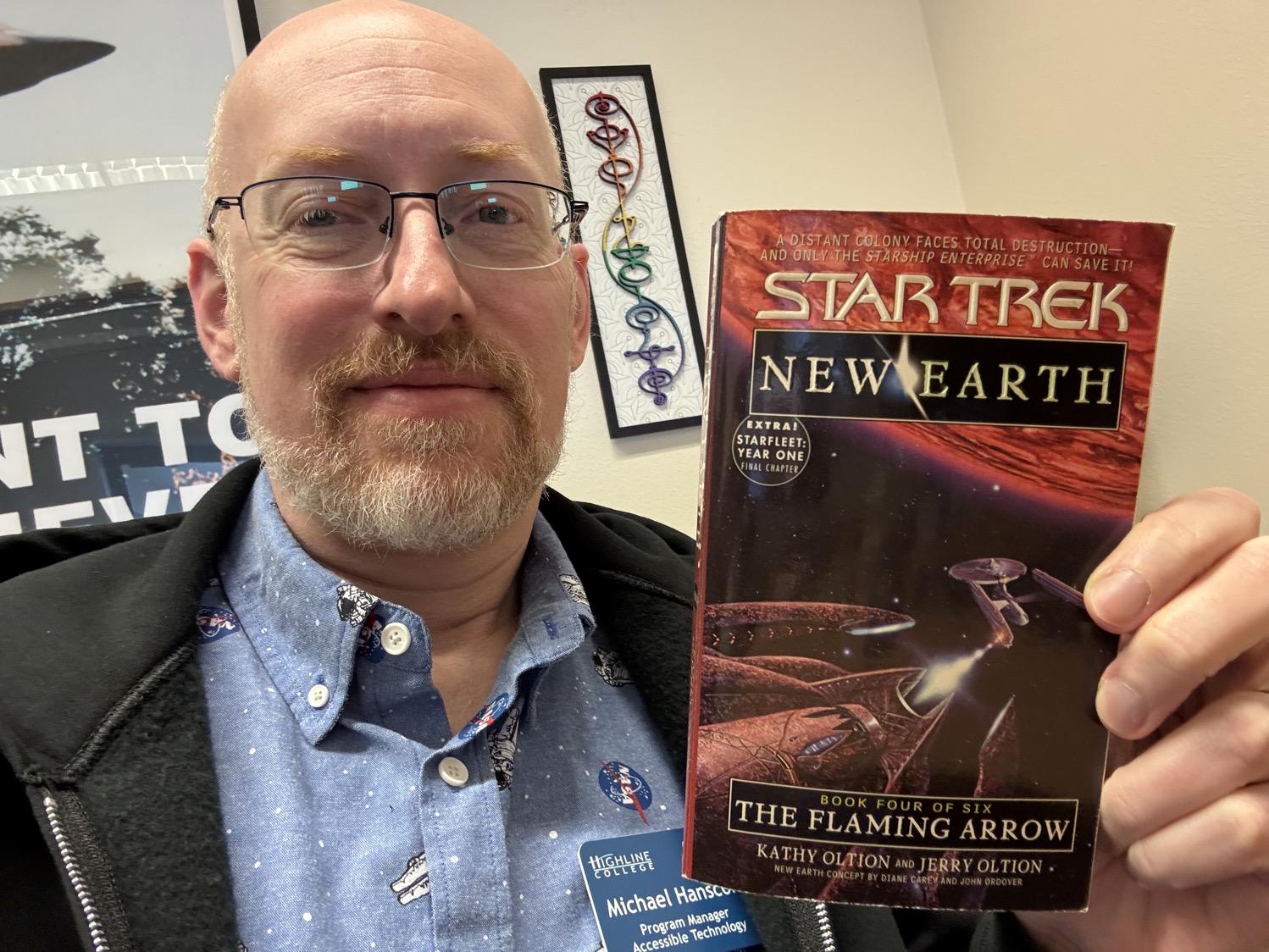
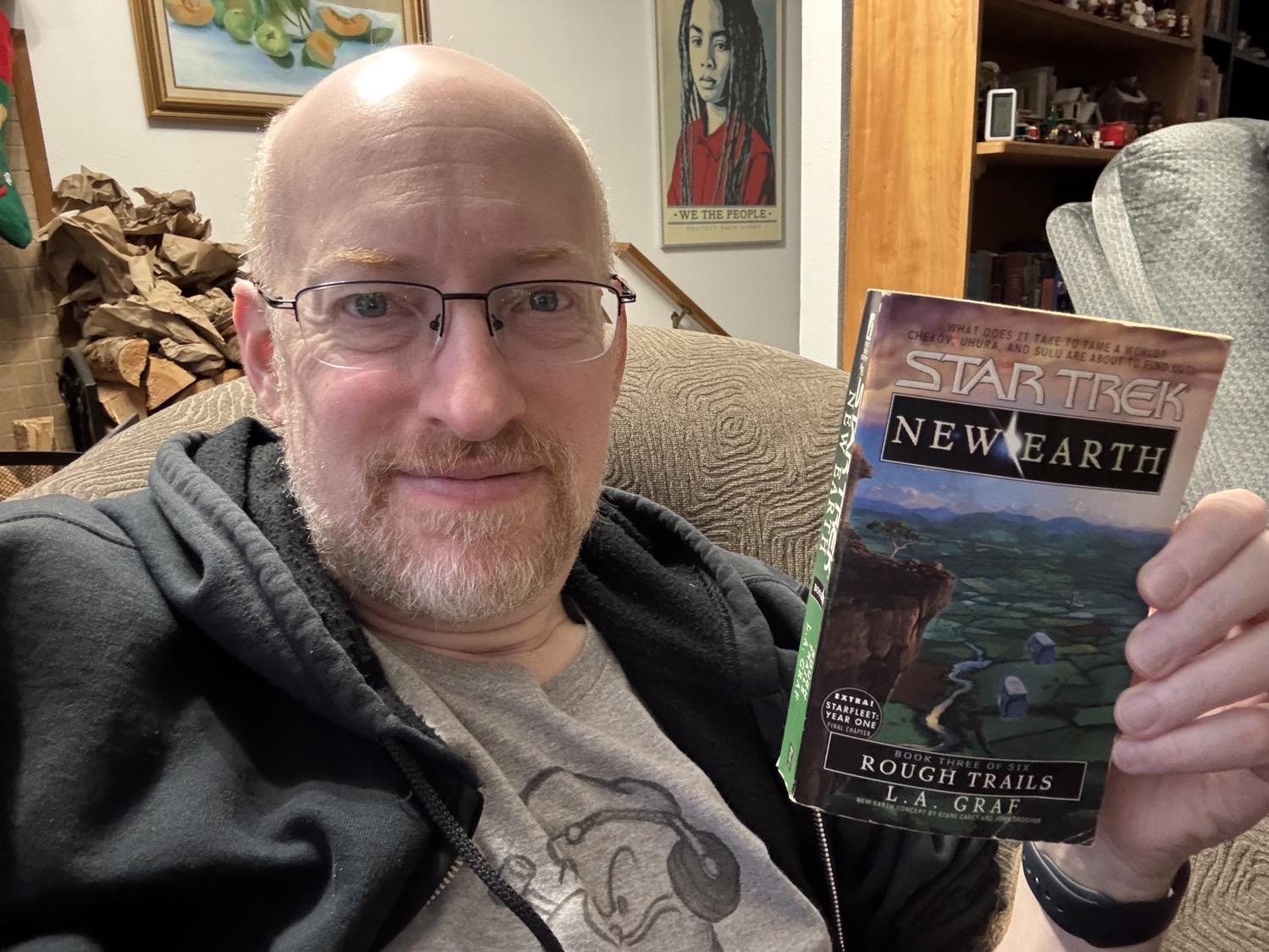
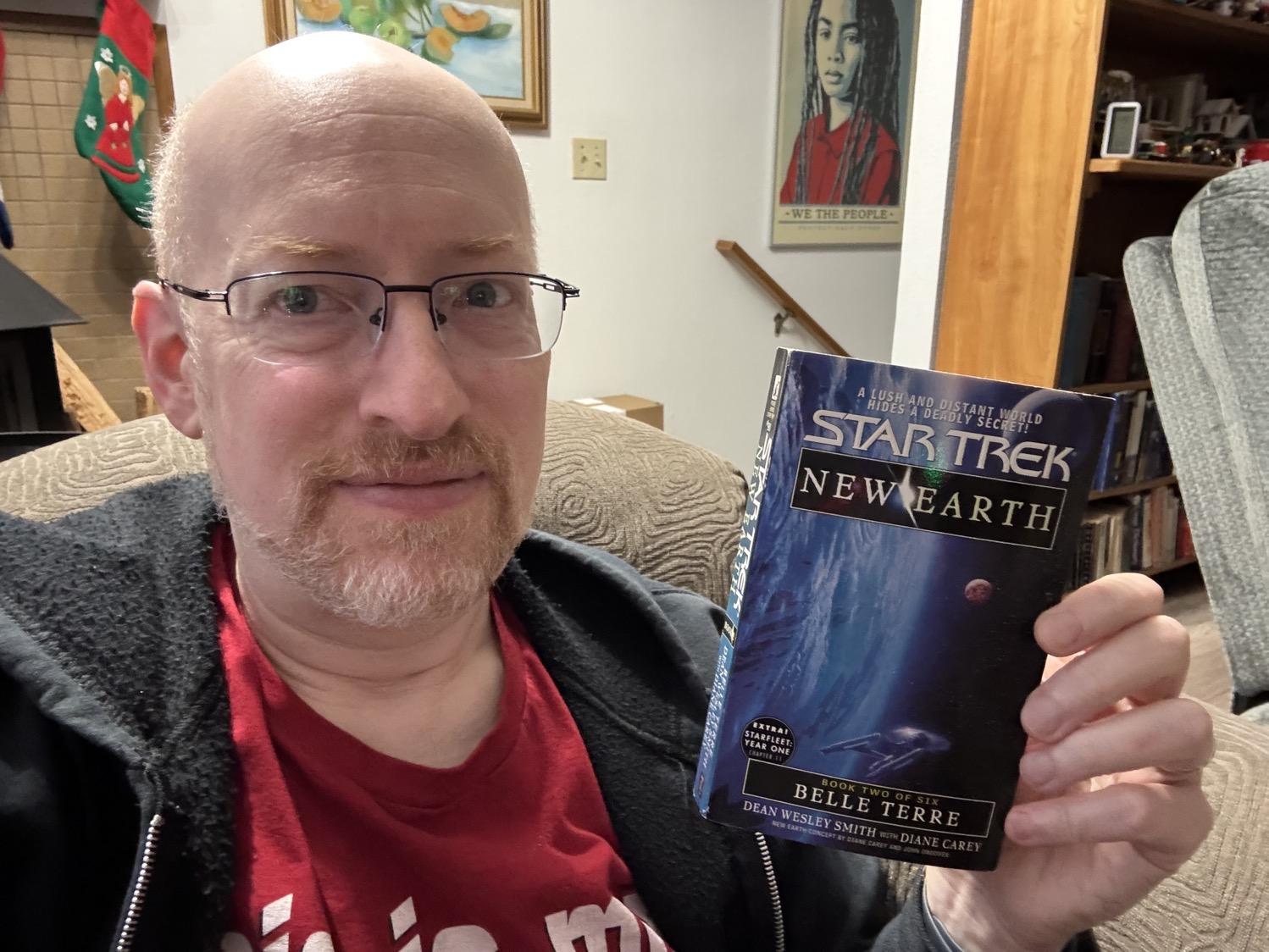
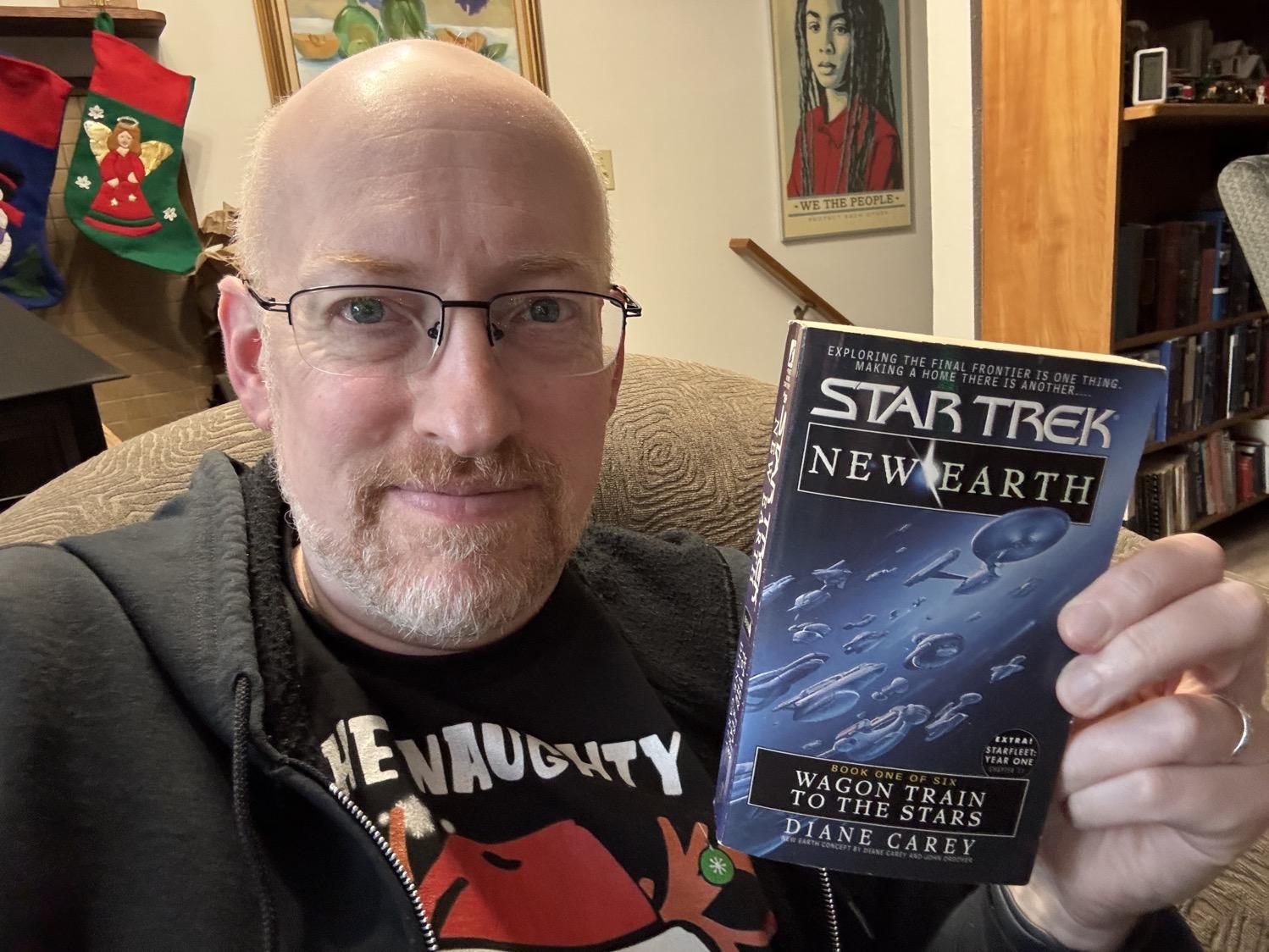
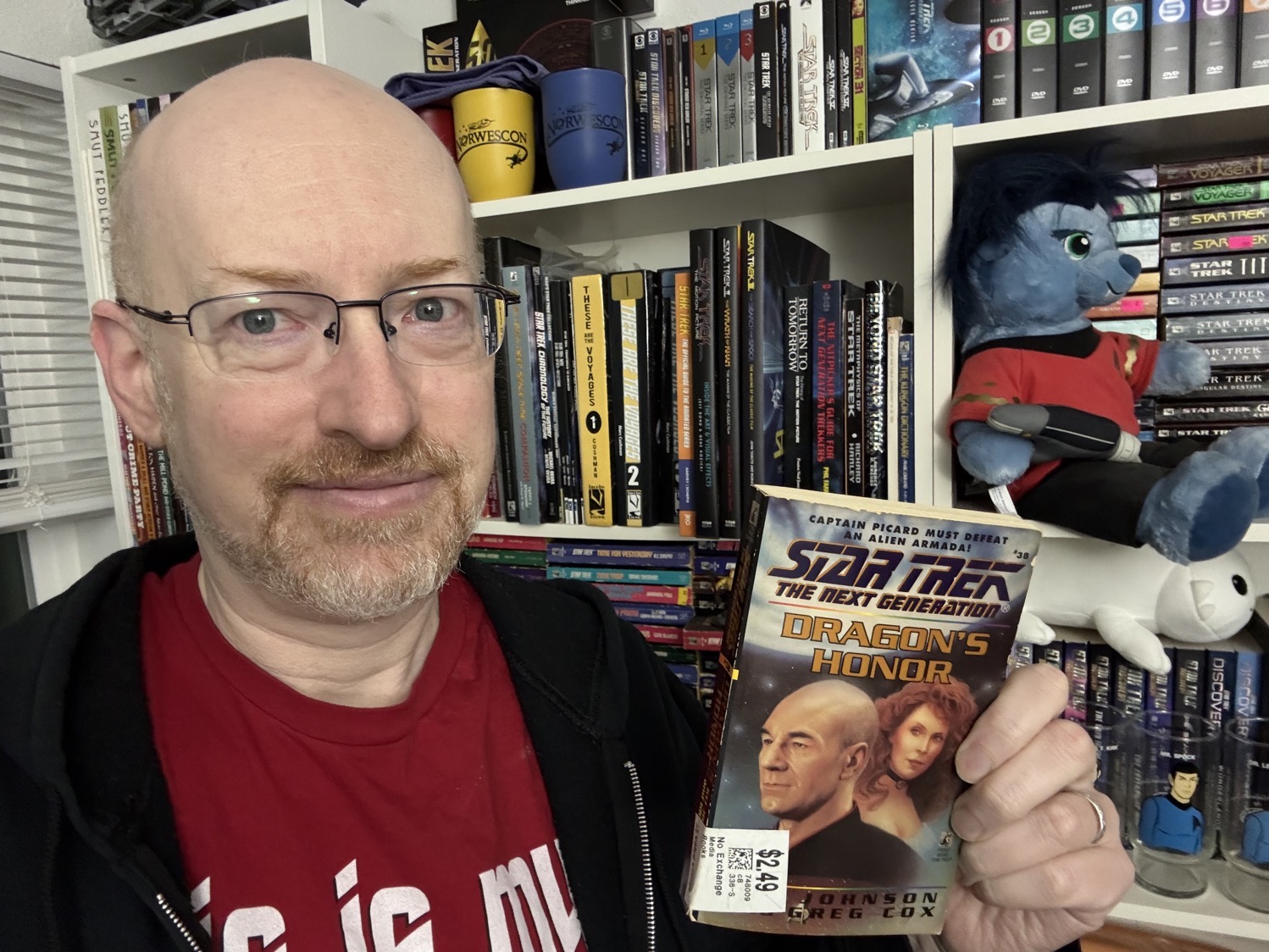
Finished my last book of the year, Rough Trails by L.A. Graf, and my first book of the year, Thin Air by Dean Wesley Smith and Kristine Kathryn Rusch, both parts of a six-book TOS-era Star Trek series.
📺 Watching
We watched two movies over the weekend:
- The Woman in Cabin 10 (2025): ⭐️⭐️⭐️: Decent thriller with a very satisfying ending.
-
Mission Impossible: The Final Reckoning (2025): ⭐️⭐️: A particularly disappointing finale to the series.
🔗 Linking
NOTE: For regular readers (assuming there are any), a bit of clarification on how I link some items: I use archive.is for pages on sites that are paywalled (including sites that will only show content if adblockers are disabled) and for Substack pages (because Substack is another Nazi bar). Starting with this week’s post, I will also include links to the original pages, as not everyone has the same attitudes as I do about these things and may have subscriptions to the sites in question, not be as annoyed as I am at dealing with paywalls, ads, and the like, or have either accepted Substack as a “necessary evil” or are unaware of their problematic practices.
-
National Society of Tax Professionals: USPS Announces Changes to the Postmark Date System: “…while a postmark confirms the USPS possessed a mail piece on the date inscribed, that date does not necessarily align with the date the USPS first accepted possession of the item.” Potentially impactful in a number of important scenarios, including voting by mail. Undated informational page, but the rule took effect in November 2025.
-
Foz Meadows: Against AI (archive.is link of Substack original): “AI is unethical on a scale that SFF authors should be uniquely placed to appreciate, its evils mirroring metaphors that are older than our present civilization. AI is the cursed amulet, the magic mirror, the deal with the devil, the doppelganger that learns our secrets and steals our face; it’s a faerie illusion, leprechaun gold, the fox’s trick that gives rot the look of resplendence, the naked emperor parading with his cock out; it’s the disembodied voice that whispers let me in, the zombie virus that transforms the known into the unrecognizable, the corrupting fungi whose tendrils invade and poison. It’s the literal fucking One Ring, telling us that of course we’d use its power for good, compelling us to pick it up so that through us, it might do great evil.”
-
Chuck Wendig: My Open Letter to That Open Letter About AI in Writing and Publishing: “AI IS NOT INEVITABLE. ¶ The only strategy here is the sum total pushback against its uncanny horrors and its non-consensual intrusion into every corner of our world — it steals our content, guzzles our water, increases our power bills, is crammed into services we didn’t ask for it to be crammed into while also charging us more money for the “privelege.” There is no strategy here except to find the fields where the AI grows and metaphorically set them aflame. ¶ And shame and anger against corporate overreach is a powerful fire.”
-
Trekorama!: 3D walkthroughs of locations on various Star Trek ships, including the Enterprise 1701 (main bridge), 1701-D (main bridge, engineering, sick bay, Ten-Forward, transporter room, Picard, Data, Troi, and Worf’s quarters, and a shuttle), 1701-E (bridge), and Kelvinverse version (bridge and corridor), Defiant (deck one), Voyager (deck one, sickbay, transporter room, engineering, mess hall), Discovery (bridge, transporter room, mess hall, and corridor), and Klingon Bird of Prey (bridge), plus the real-world ISS.
-
David Reamer at the Anchorage Daily News: Termination dust: Its history, evolution in meaning and possible origin (archive.is link of a paywalled original): “…the history and evolution of termination dust as a turn of phrase offers education, enlightenment and entertainment. Over the decades, there have been changes in meaning and connotation. Throughout those years, it remains a significant detail of local history, a widely recognizable bit of slang whose lore maps closely against that of the town itself.”
-
Robin Young and Emiko Tamagawa at WBUR: ‘Wake Up Dead Man’: Rian and Nathan Johnson on blending mystery and faith in new ‘Knives Out’ movie: Brief but interesting interview touching on the religious motifs in Wake Up Dead Man.
-
John Scalo: Was Daft Punk Having a Laugh When They Chose the Tempo of Harder, Better, Faster, Stronger?: “I think our helmet-clad robot friends might have been making a little joke that we’ve apparently all missed. The BPM of Harder, Better, Faster, Stronger is actually 123.45.” Fun bit of music trivia, plus a bit of a peek at the difficulties of having a computer do something that seems relatively easy for humans; in this case, determining a song’s tempo.