
Mrs Harris Goes to Paris (2022): ⭐️⭐️⭐️: Delightful, funny, and sweet. Very pretty as well, both in terms of scenery and costuming. An excellent way to spend a couple pleasant hours on a slow Saturday afternoon.
Geekery
Whatever I’m geeking out about at the time.
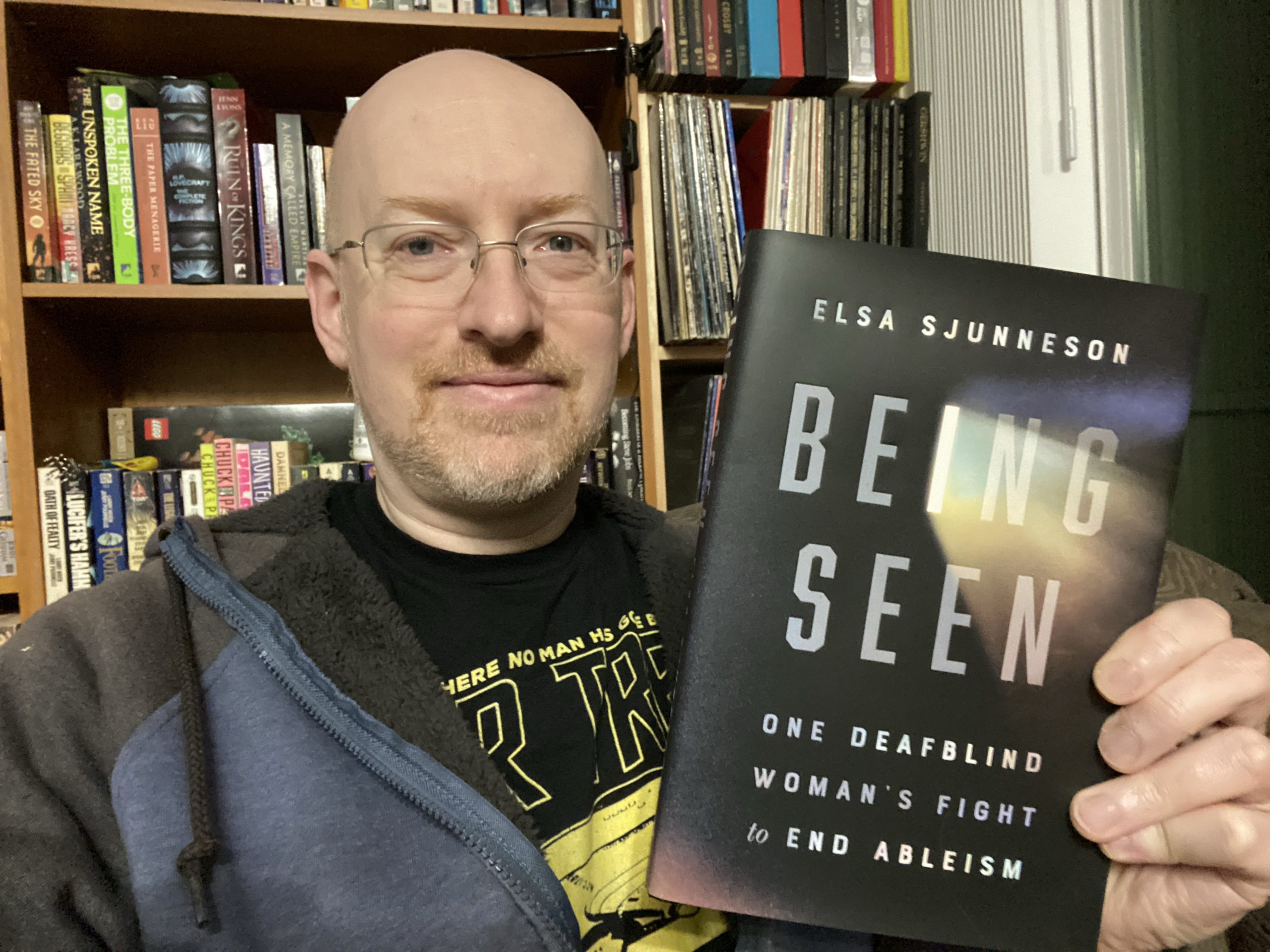
📚 Being Seen: One Deafblind Woman’s Fight to End Ableism by Elsa Sjunneson
2/2023 – ⭐️⭐️⭐️⭐️⭐️
You should read this. Memoir, societal and media criticism, and a lot of often-footnoted humor in this examination of persistent and pervasive ableism. I ordered this after seeing the author give the keynote address at Accessing Higher Ground, an academic conference on accessible technology in higher education, which was an excellent keynote and introduced me to the phrase “disability is a multiverse”. Though I’ve been making an effort at broadening my awareness of the ableism around me, as someone who isn’t (currently) disabled, I know that there’s a lot I miss, and there was a lot in this book that I hadn’t thought of. However obvious it is in retrospect, unless you live within these circumstances, they’re often all too easy to not be aware of, and it’s very worthwhile to be exposed to situations outside of our experience.
Self-Hosted Image Gallery Recommendations?
A lazyweb question: Is there decently modern web image gallery software anywhere?
I’d like to move away from Flickr in favor of self-hosting my photo galleries. But so far all the packages I’ve found are…well, they tend to look and feel (both on the backend admin side and the frontend public gallery side) like they haven’t been updated in the past decade or more.
Admittedly, sometimes this is because that’s exactly the case…which also doesn’t make me want to download them. But sometimes they’re still apparently under active development, but still look and feel like early-2000s projects.
Software I’ve installed, poked at, thought “mmm…well…maybe…”, and looked on to see what else I could find:
- Piwigo is under active development (last release three weeks ago) but has rather sparse documentation if you’re not a developer building plugins, and needs config file editing just to display more than the most basic image metadata.
- Zenphoto is also under active development (last release a month ago), but appears to be gearing for a more major update…which could be good, but there’s no indication of when that will happen, and much of the current installation (like every one of the default themes) has a “this has been deprecated” warning. So it doesn’t seem worth investing time into getting it up and running and populated if the current version is soon to be end-of-lifed, with who knows what sort of compatibility with the next version.
Things I’ve looked at but not downloaded:
- 4Images may or may not be under active development; the last update was in November of ’21.
- Coppermine‘s last update was in 2018…but the two before that were in 2013 and 2010, so who knows if it’s still active or not.
- Gallery at least admits it’s dead; it points to Gallery Revival, which hasn’t been updated since November of ’21.
- Pixelpost: “tldr: This project is abandoned, and has known security issues, use at your own risk.”
- TinyWebGallery: I can’t quickly figure out when it was last updated, but the header graphic advertises “Flash uploaders”, and there are too many ads for online casinos on that page for me to bother digging around any further.
I’d like to stop giving Flickr money (I have nothing particularly against them, but at this point, I have nothing particularly for them either; their website doesn’t “give me joy”, and when embedding photos, the alt text is just the image title, not even the image comments, let alone any option to add true alt text), and I simply don’t trust Google enough to drop all my images into their systems. I’ve played with SmugMug as well, but again, I’d like to be able to self-host, not pay.
I’m a little surprised that this is such a sparse field, but I suppose that Flickr and Google Photos are “good enough” for most people these days, so there’s not a big market for people like me: a tech-savvy hobbyist photographer who’s not particularly interested in relentlessly pursuing monetization.
Recommendations would be appreciated if I’ve missed something worth investigating. As it is right now, though, I’m guessing my best bet will be to see what I can manage with either Piwigo or ZenPhoto.
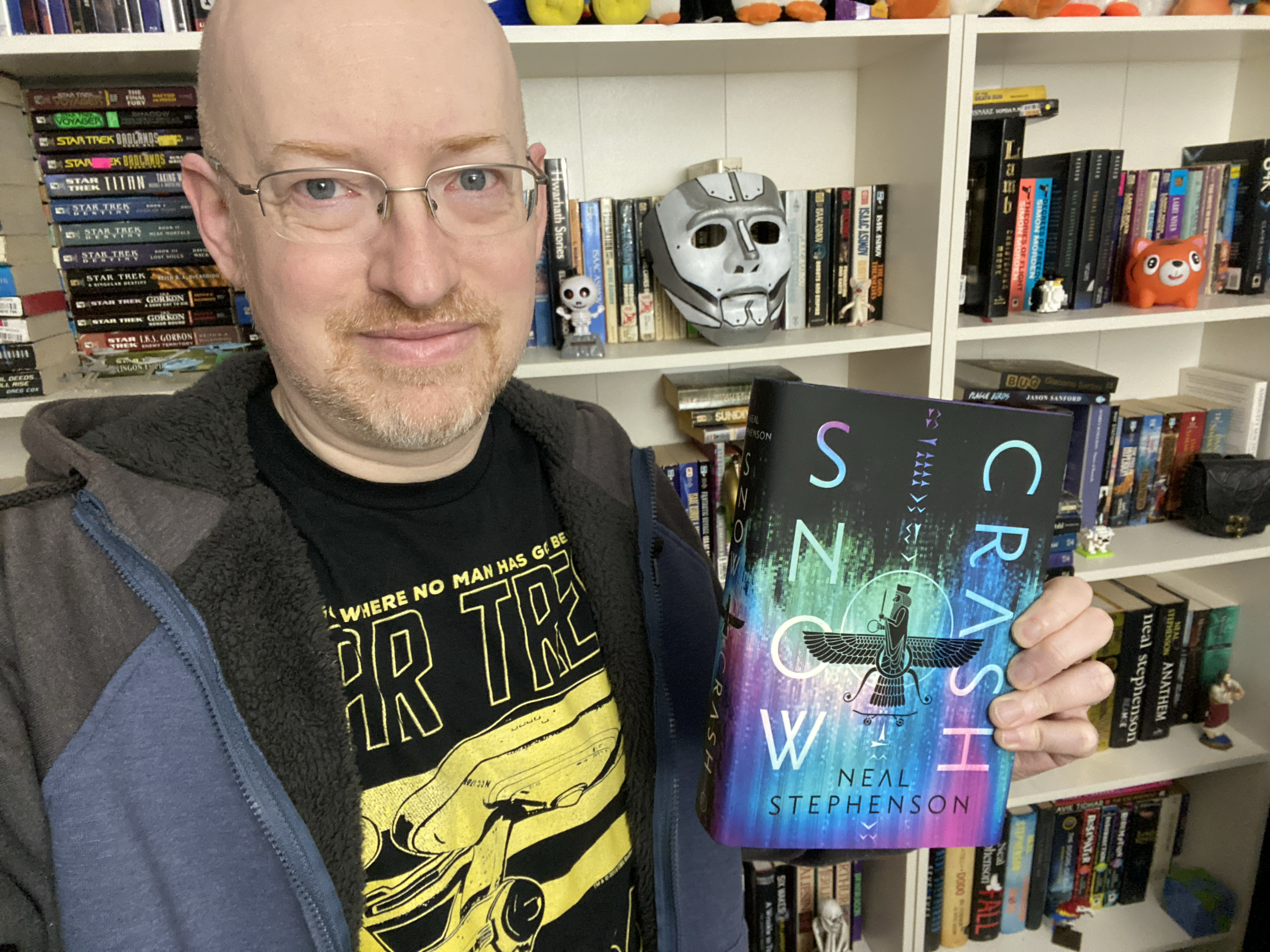
📚 Snow Crash by Neal Stephenson
1/2023 – ⭐️⭐️⭐️⭐️⭐️
Fun to re-read this for the first time in at least two decades, especially so soon after reading Gibson’s Neuromancer. It had been long enough that all I really remembered clearly was the Metaverse and the opening pizza delivery sequence; other pieces I halfway recalled as I read, but much was brand-new all over again. Just as with Neuromancer, it’s fascinating to see how these books have influenced modern technology and tech culture. And I always love diving into one of Stephenson’s books. His tendency to cram everything including the proverbial kitchen sink into his books in overly intricate detail mixed with a healthy dose of snark doesn’t work for everyone, but it sure does for me.
🎥 Ticket to Paradise
Ticket to Paradise (2022): ⭐️⭐️: Unimaginative and entirely predictable, but harmless, and more or less (you choose which of those is most correct) saved by Clooney and Roberts’ undeniable easygoing chemistry.
However:
No points to whoever decided to dress Julia Roberts in a series of jumpsuits. She spent most of the film looking like a 1960s garage attendant.
Also no points to the screenwriters for apparently not knowing that one doesn’t become a lawyer about to start at a prestigious New York firm directly out of “four years of college”.
Nic Cage is a Trekkie
Here’s a fun snippet of an interview between Nic Cage and Kevin Polowy, where Nic definitively declares himself a Trekkie:
Video originally posted to Twitter by Kevin; I downloaded it to add subtitles. Transcript below as well.
…speaking of Massive Weight, the last time I talked to Pedro, he said he wanted to recruit you into the Star Wars fold. How do you feel about this? Has there been any movement on this?
I’m — No, is the answer, and I’m, I’m not really down. I’m a Trekkie, man, I’m on the Star Trek, I’m on the Enterprise, that’s where I roll.
Oh! Okay — I didn’t know this about you.
Yeah, well, this is the first interview of the new year, you might at well get something that no one knows.
But that’s a fact. I grew up watching Shatner, I thought Pine was terrific in the movies, I think the movies are outstanding, and I like the political and the sociological —
To me what science fiction is really all about, and why it’s such an important genre, is that is really where you can say whatever you want, however you feel, you put it on a different planet, you put it in a different time, in the future, and you can, without people just jumping on you. You can really express your thoughts, like Orwell, or whomever, in the science fiction format. And Star Trek really embraced that, I thought they got into some serious stuff.
This is a great nugget of information, and now we have to make that happen, we’re gonna put this out to the internet: Nic Cage for Star Trek, 2023. It’s gotta happen.
But I’m not, I’m not in the Star Wars family, I’m in the Star Trek family.
Got it, got it. We’ll put it in the record. I’ll break the news to Pedro for you.
Okay, thank you.
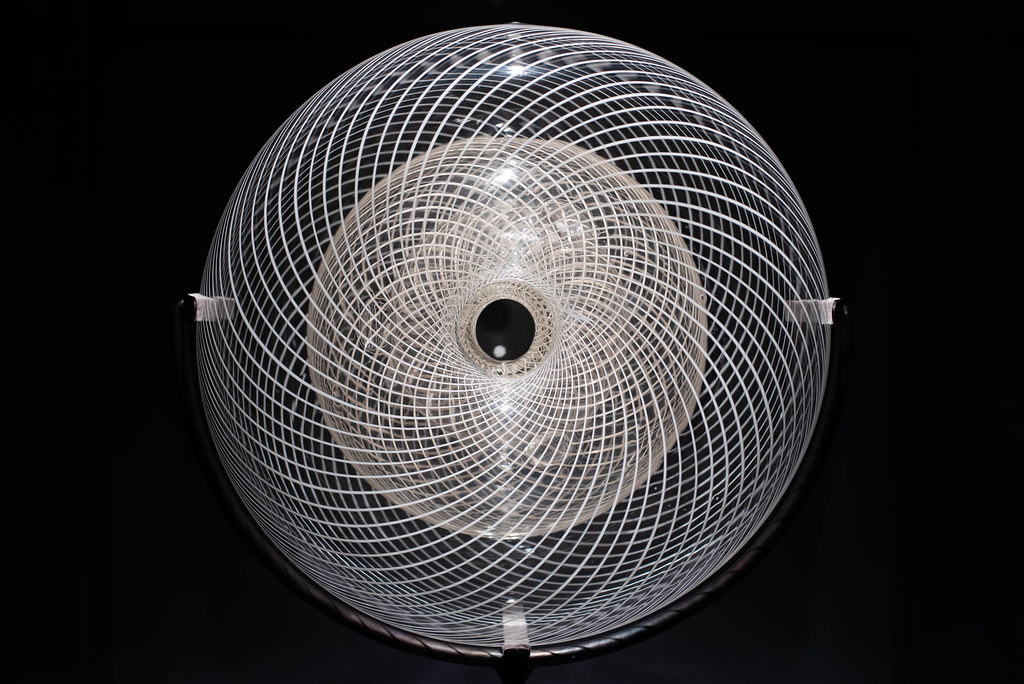
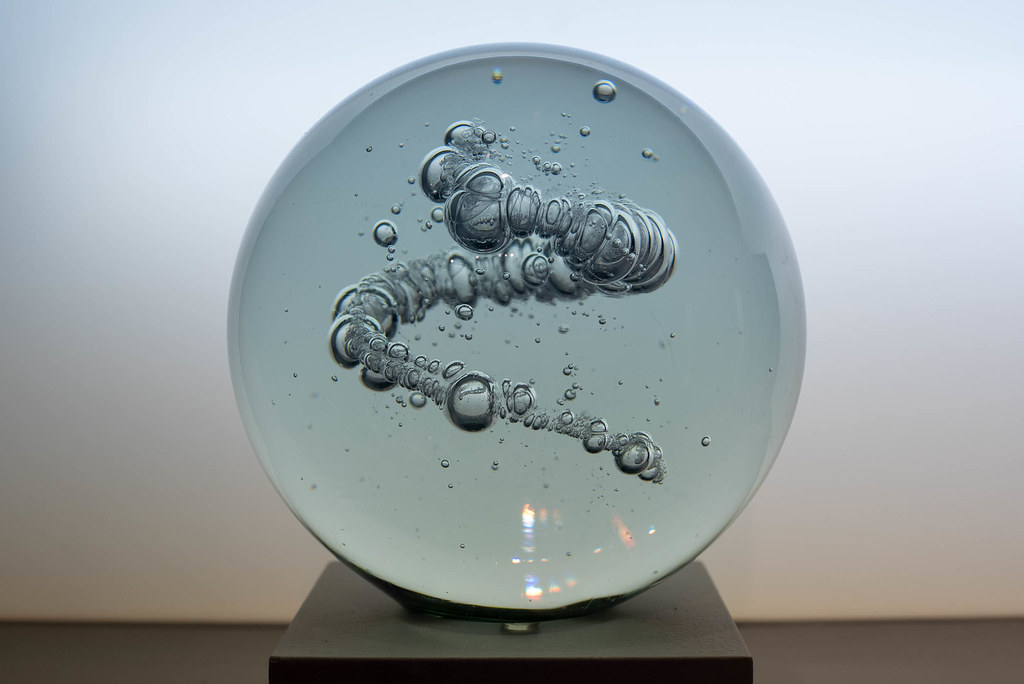
Museum of Glass
Another day of wandering around a museum, enjoying the pretty sights, and getting back into practice with my camera. Once again, five of my favorites from the day below, and more in an album on Flickr.



🎥 Enola Holmes 2
Enola Holmes 2 (2022): ⭐️⭐️⭐️: Like the first, it was a cute and entertaining adventure, though not quite as good as the first.
Museum of Flight
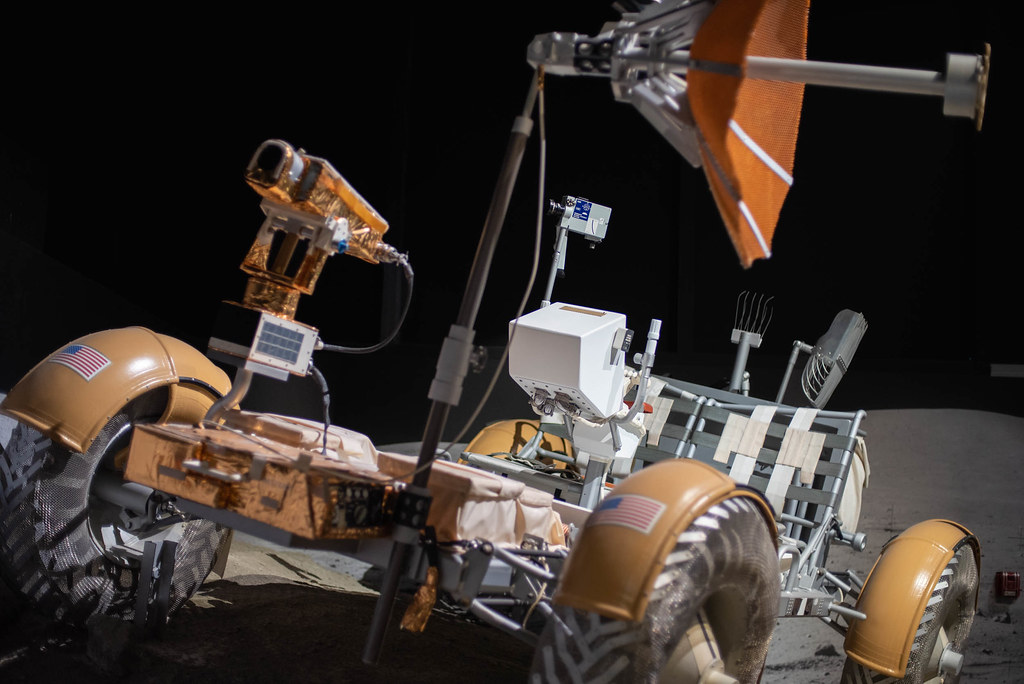
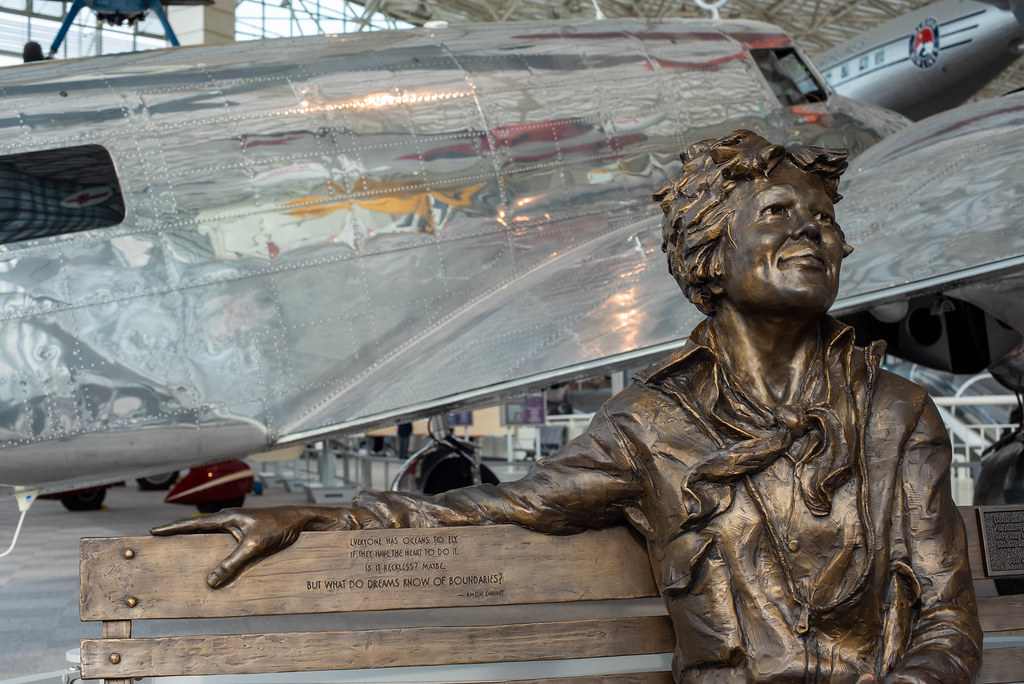
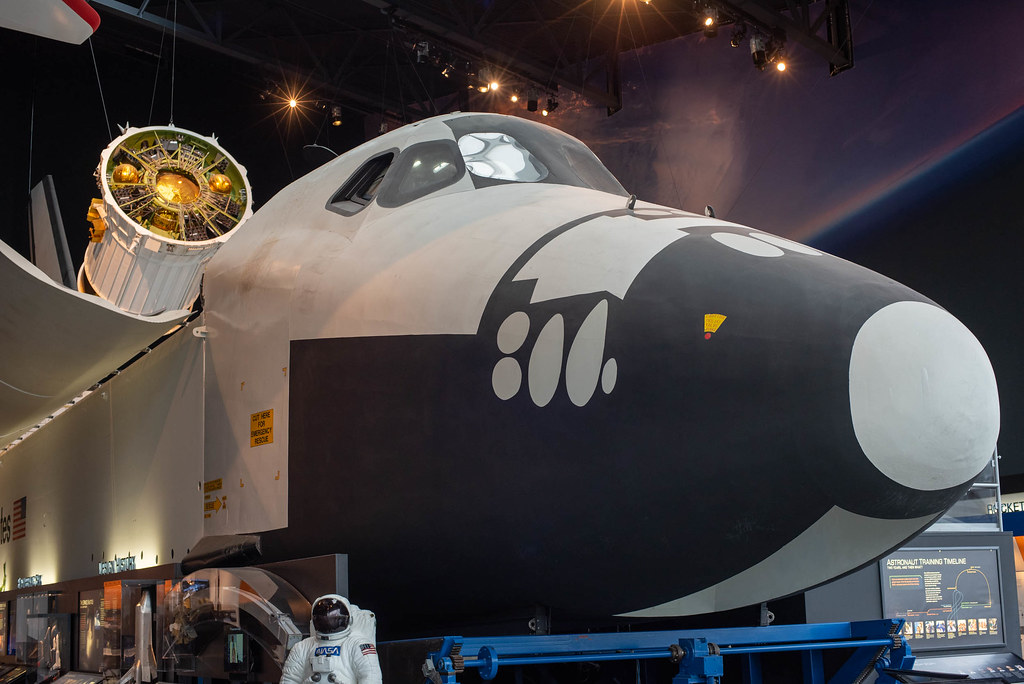
Picked up my “real” camera (Nikon D750, as opposed to my iPhone) for the first time in something over three years today…funny how a pandemic-induced lockdown can affect your hobbies, isn’t it?
We went out to the Museum of Flight, which we hadn’t been to for at least 15 years, had a nice day wandering around, looking at all the neat airplanes and space stuff, and I started getting used to the camera again. Felt good!
A few shots here, and more in an album on Flickr.


🎥 The Menu
The Menu (2022): ⭐️⭐️⭐️⭐️: Best watched as if you’re going to a fancy new restaurant for the first time: no reviews, no trailers, just enjoy experiencing what the chef has planned for your evening.
But if you do want a little bit of an amuse-bouche to whet the appetite: It’s kind of the foodie world’s version of Galaxy Quest, by which I mean both that it’s really funny and that it knows its subject very, very well. Though Galaxy Quest approached its genre with love, this is a (very) dark comedy instead of bright and shiny. Reminded me in the best way of the twisted films my friends and I would gather together to watch in our 20s.