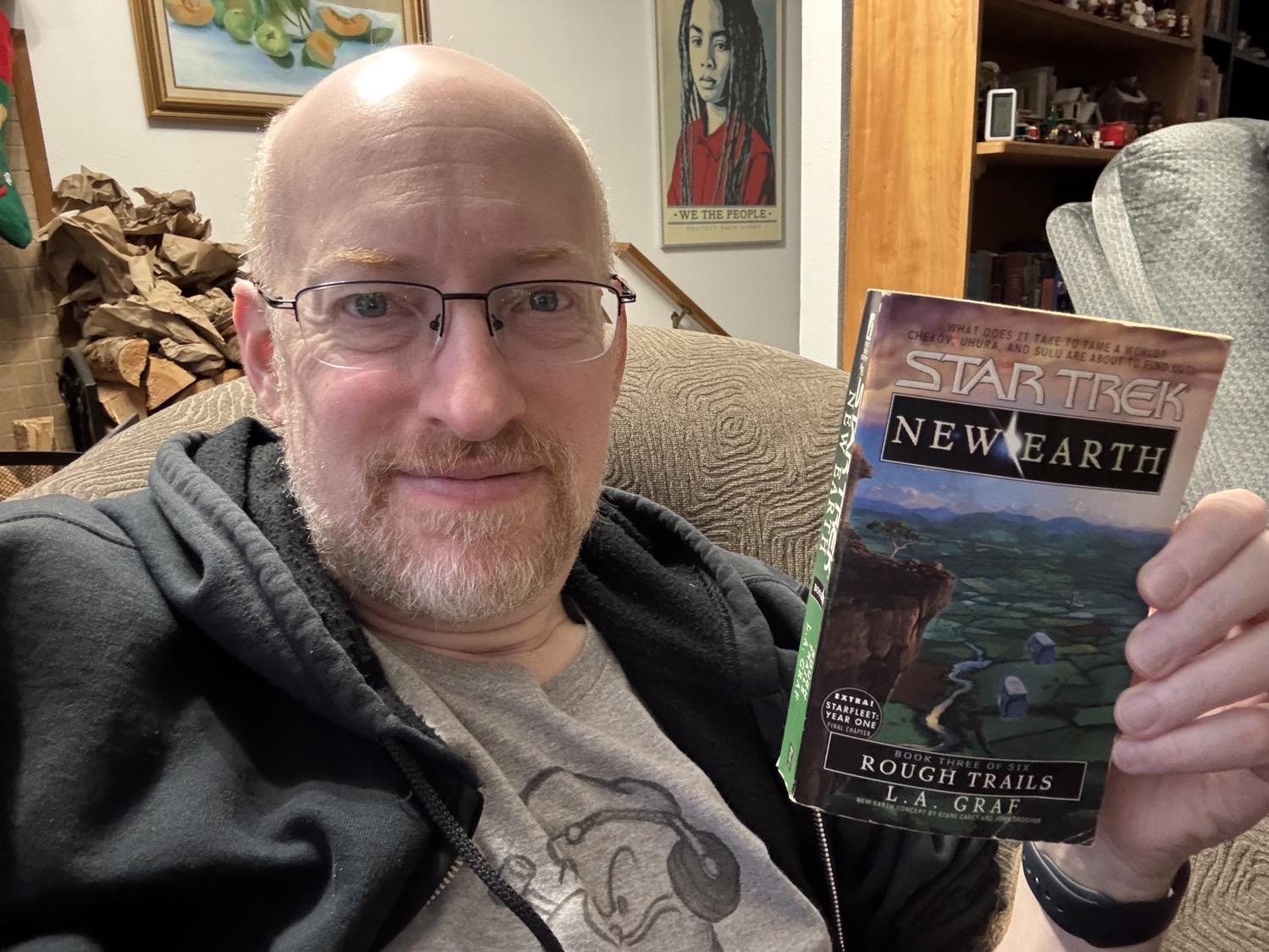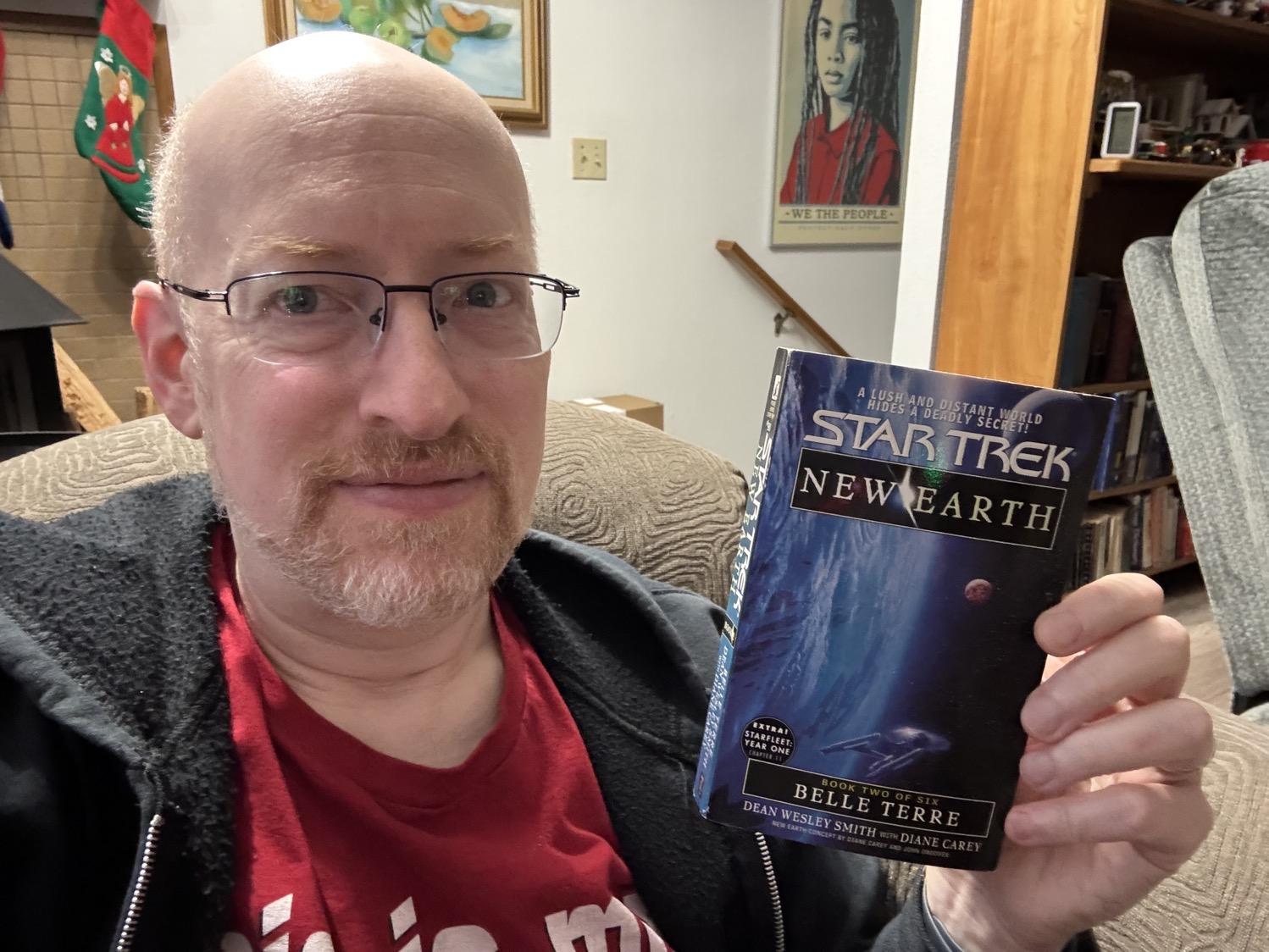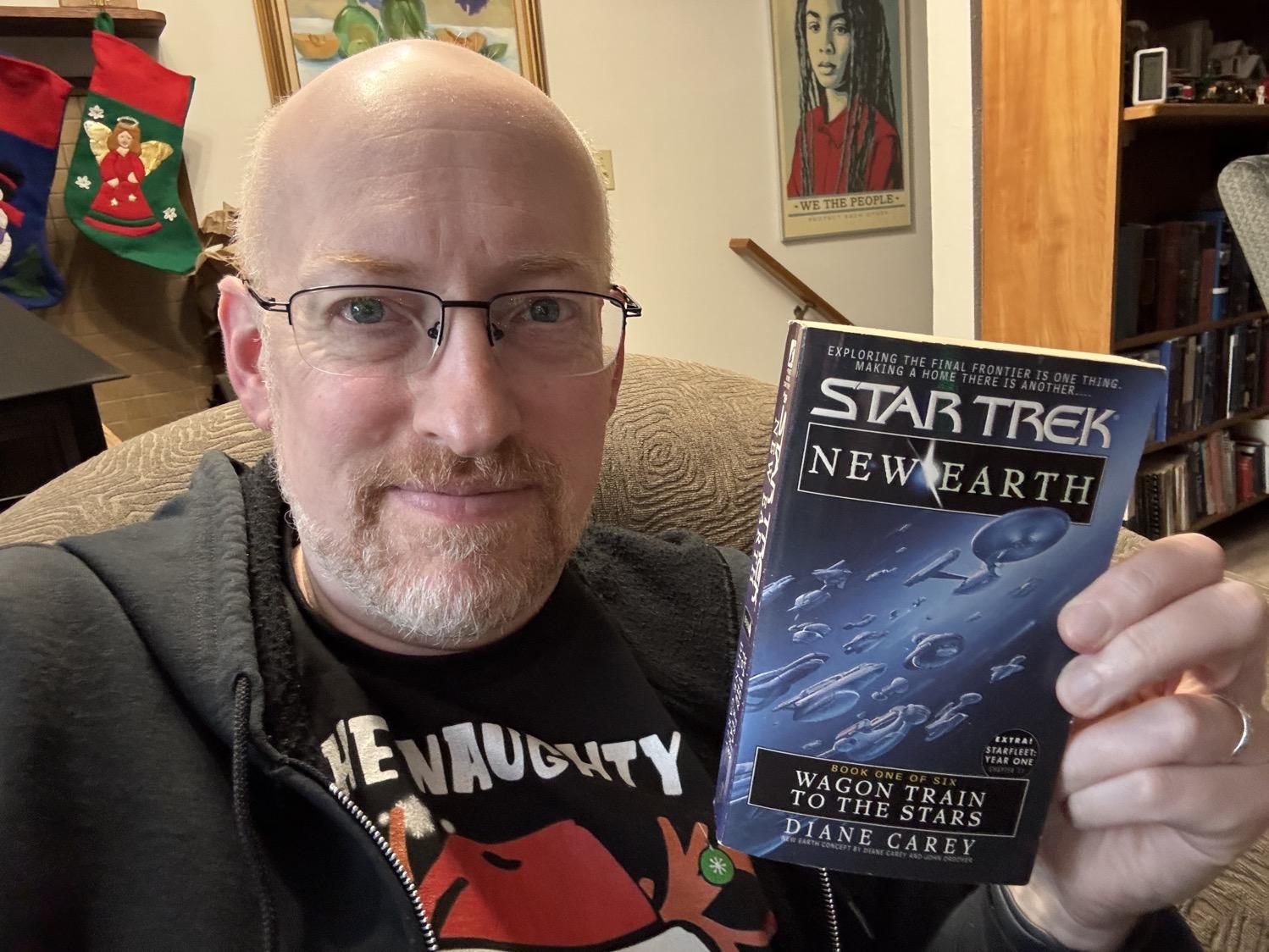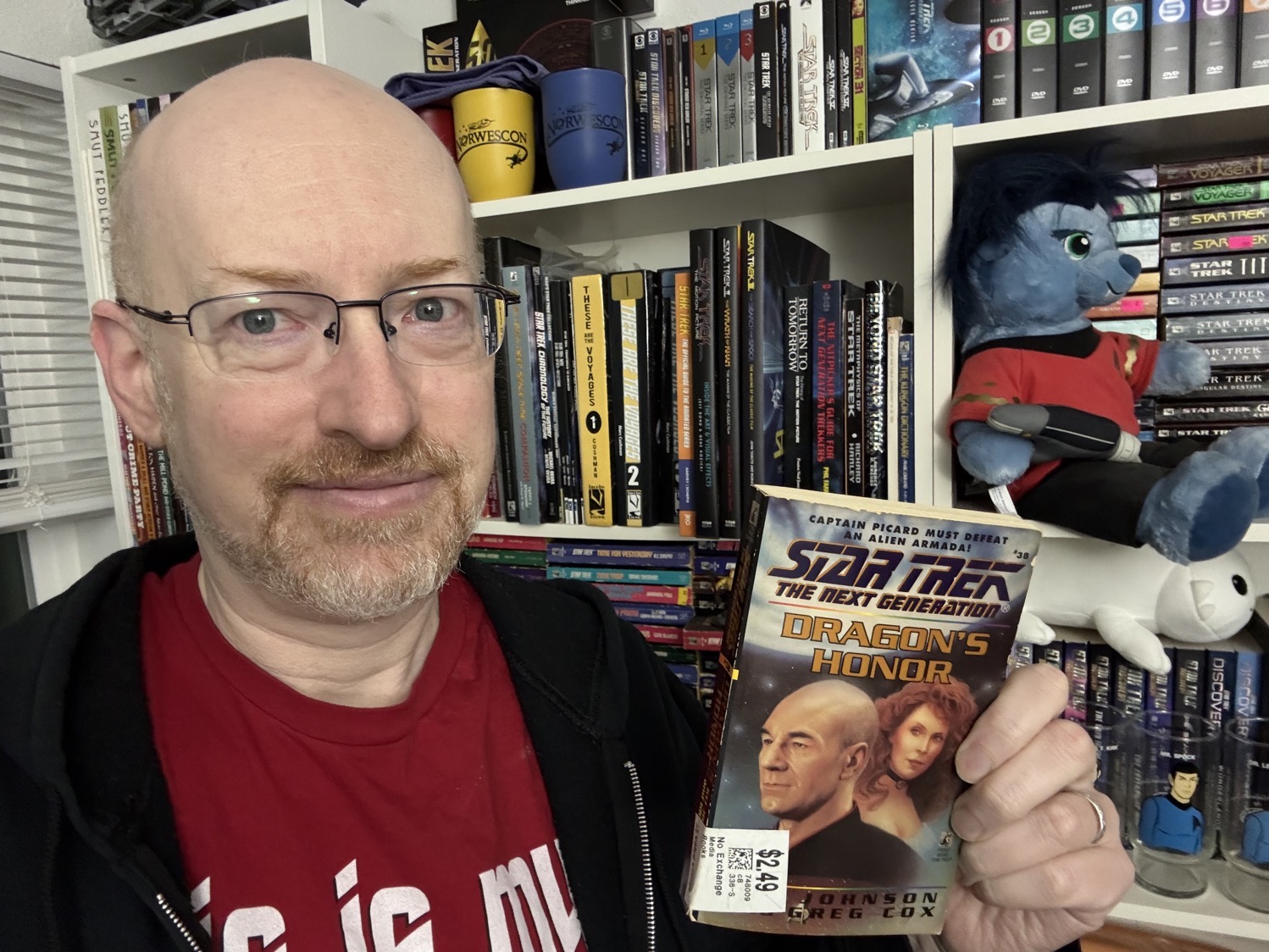
Once again, I missed a week. These things happen! So here we are.
The biggest bits of the last two weeks at work were two afternoons on Zoom for the winter DSSC conference, connecting with disability services workers across the state’s college system, and finishing my annual performance review. Both went well, and for the latter, everyone still likes me, and I have a good set of goals for the next year.
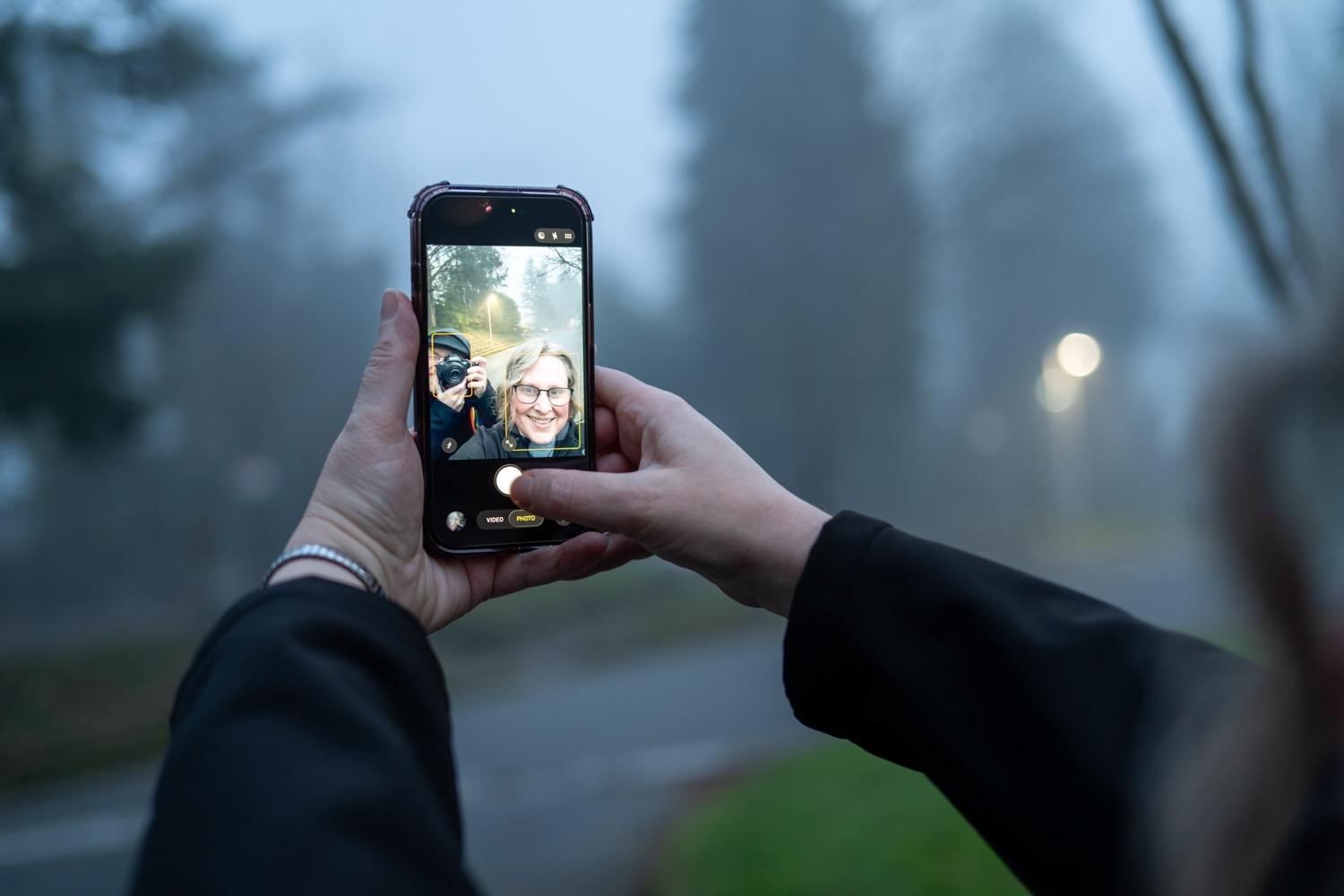
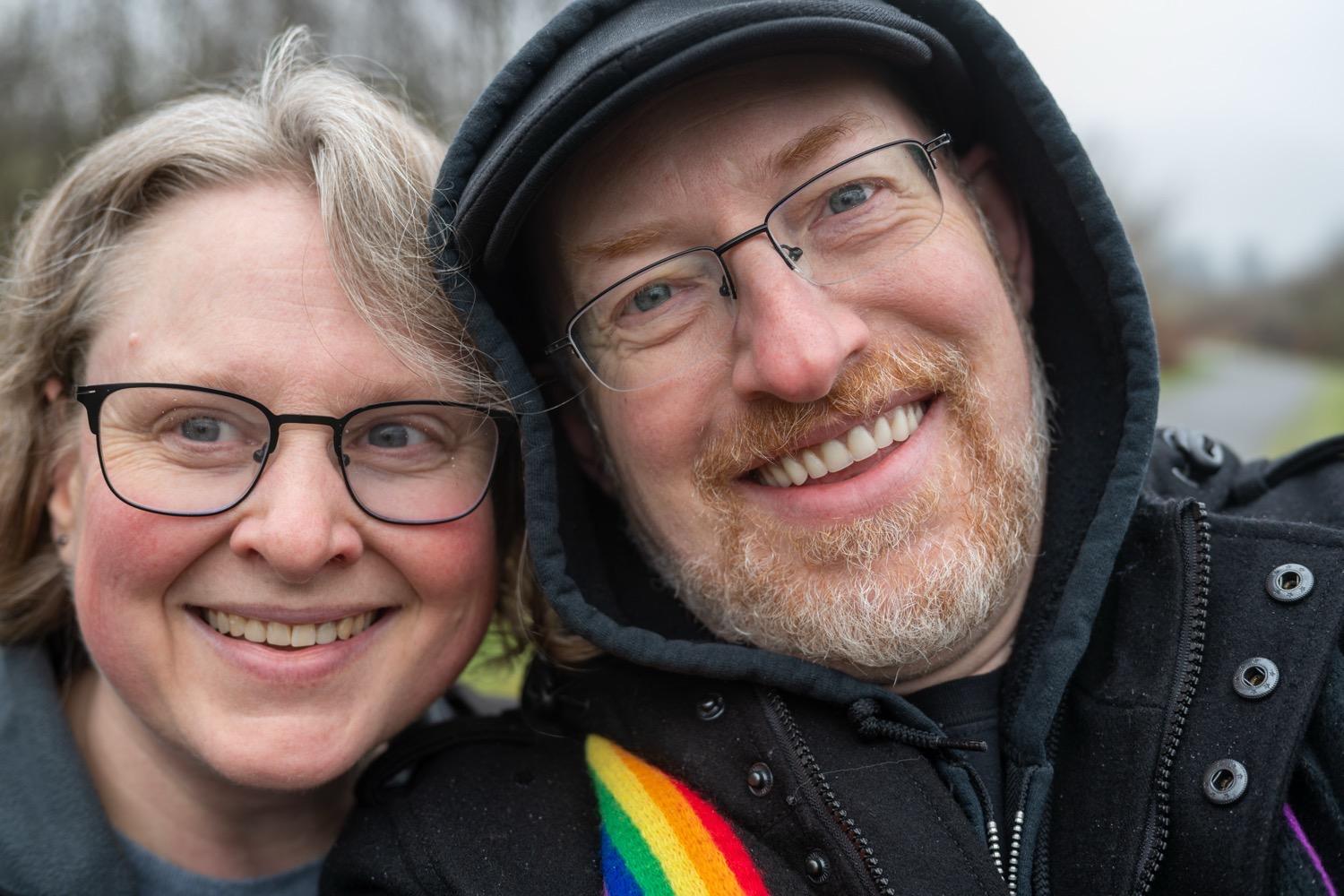
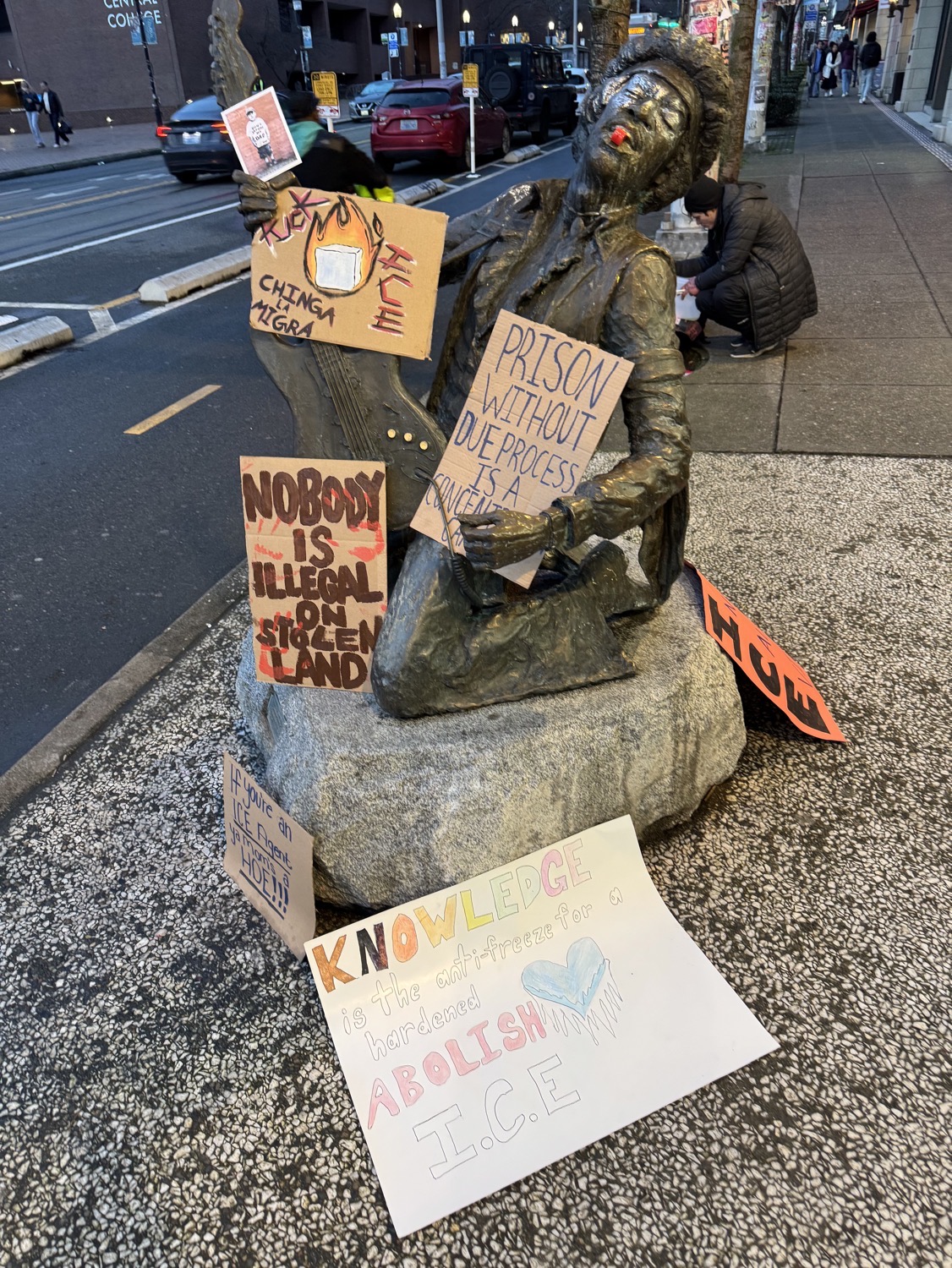
On the home front, our big adventure last weekend was heading into Seattle on Saturday for an(other) anti-ICE protest. This one was primarily organized by Seattle-area higher education unions, and was then joined by health care and tech unions. Ended up being larger than we expected at first, with a rally at Seattle Central College and then a march down to the Federal Building. No clashes, no issues, and a good gathering of like-minded educators (including a co-worker who came along with us), healers, techies, and whomever else wanted to join in. Photos are in this Flickr album.
I’d already had plans to head out to the Mercury to get some goth clubbing in that night, so rather than having me drive back and forth from home to protest to home to club to home, we just got a hotel room nearby. After the protest we got set up in our hotel room, had dinner at a local favorite restaurant (the Annapurna Café), and then my wife got a nice quiet night in a hotel room while I went out bouncing around in a dark goth-y club for a few hours. Sunday we had a lazy, slow morning, came back home, and that was that.
This weekend was a slow Saturday of chores and dozing in front of the Olympics. We’d watched the opening ceremony on Friday evening and, well, were more underwhelmed than overwhelmed.
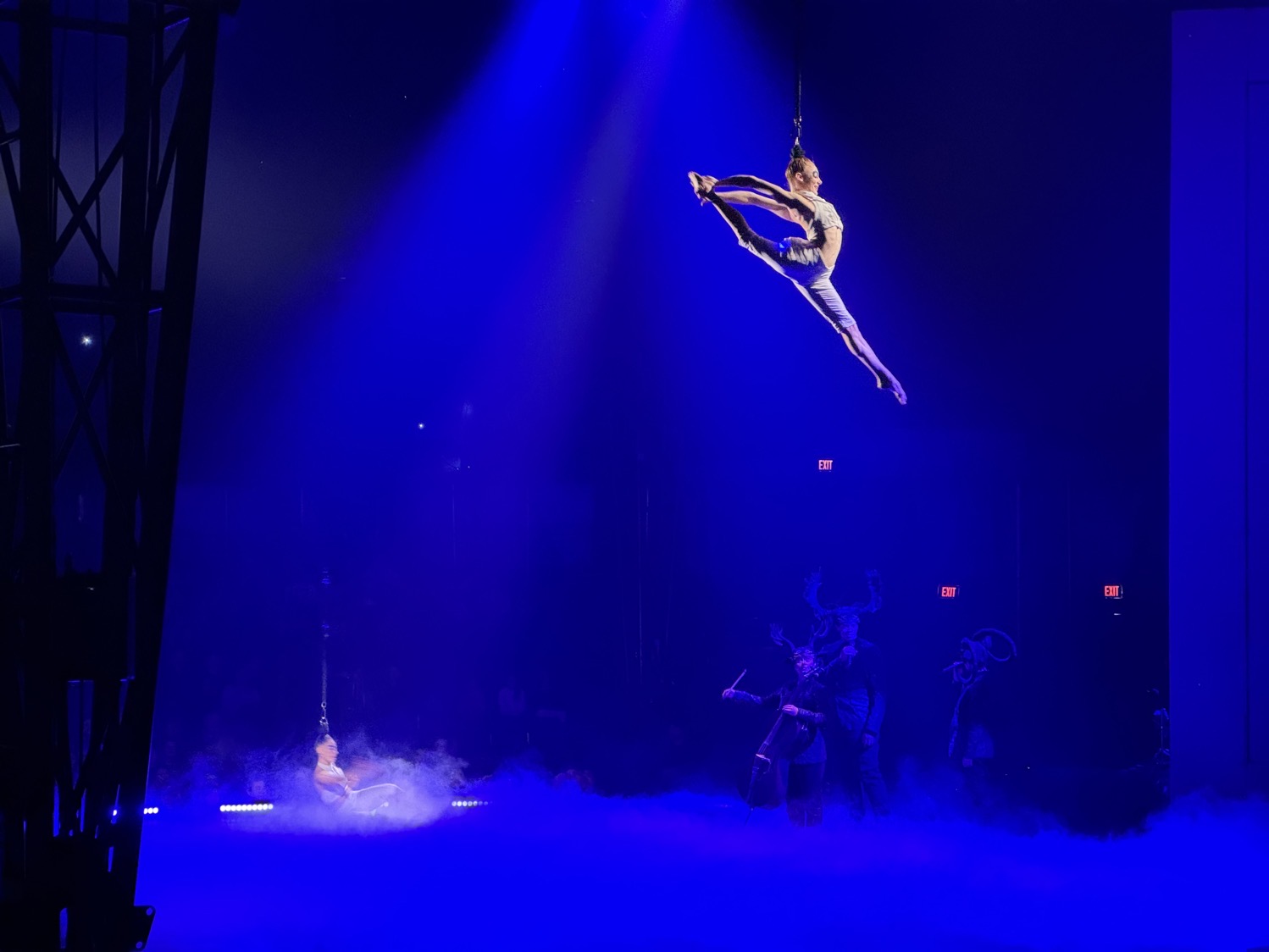
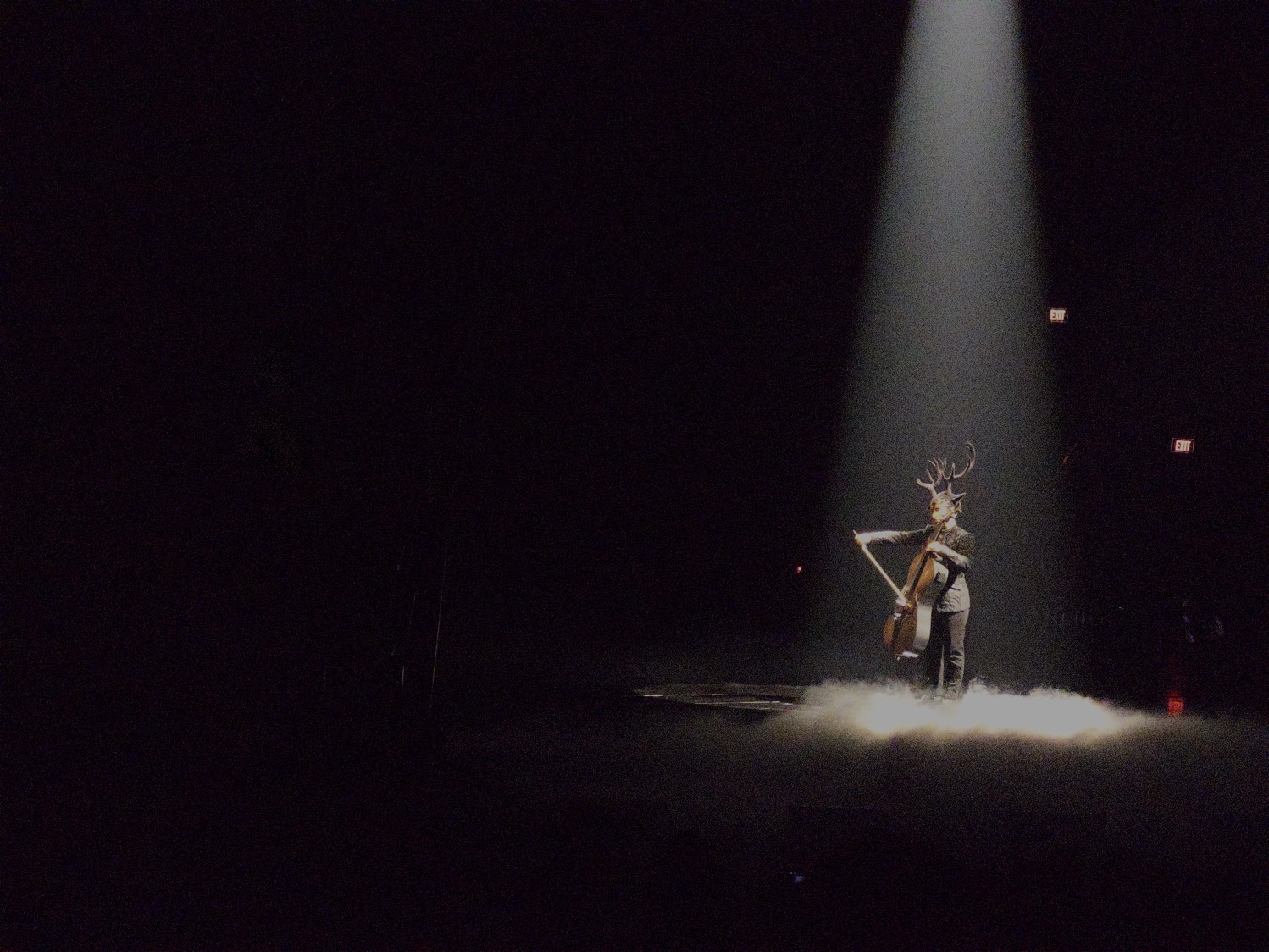
Today we went out to see Cirque du Soleil’s Echo, which just opened here. Really, really neat show — this was our first time seeing a CDS show, and it was totally worth it.
📸 Photos


📝 Writing
In addition to the little mini-review of the Winter Olympics opening ceremony already linked above, I also had a bit of a bit of a rant on Mastodon about modern Star Trek designing things that look neat rather than feel real. (I actually originally posted it on Bluesky, but it was on Mastodon where I actually got responses and engagement.)
📚 Reading
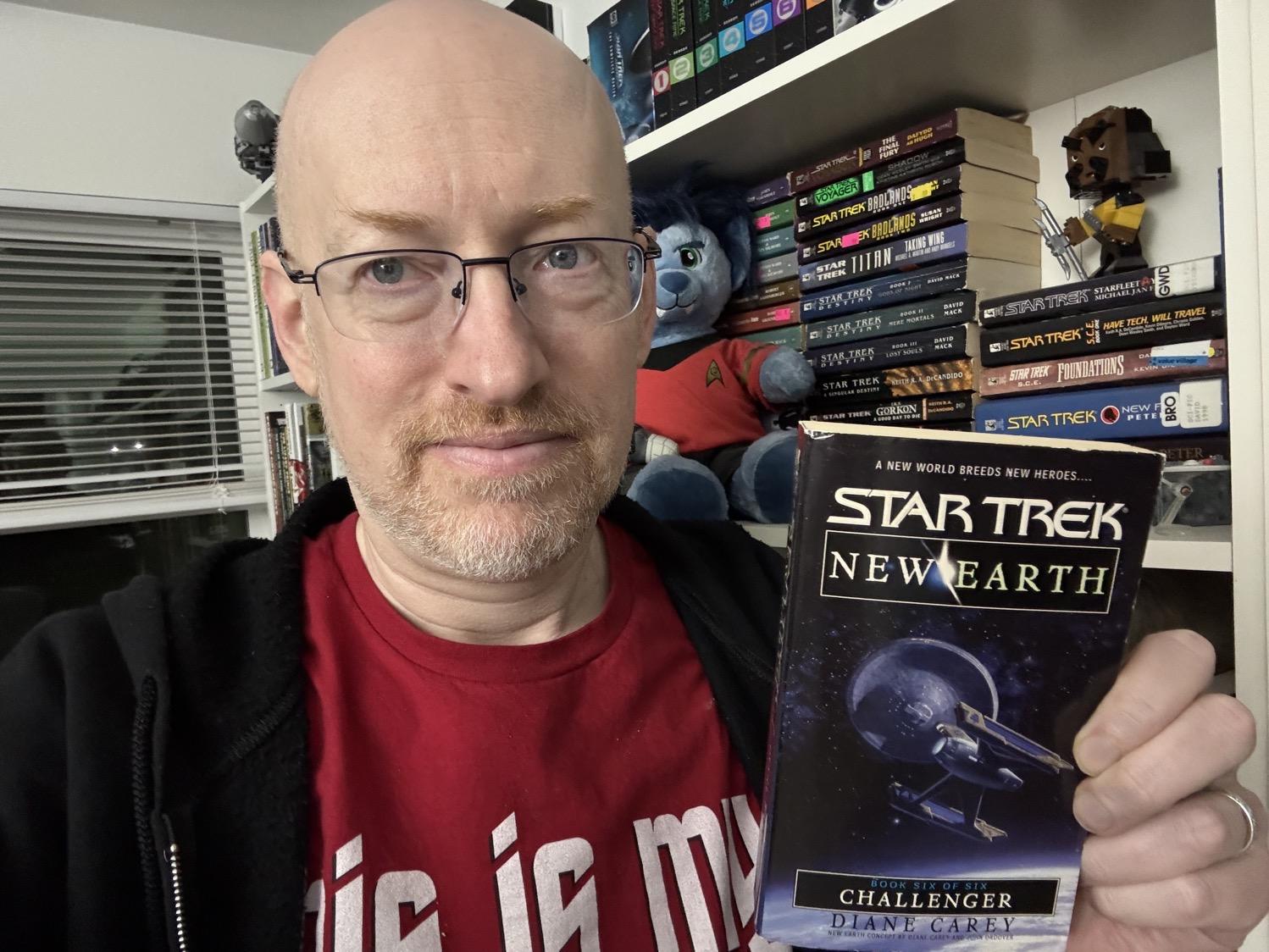
I finished my second of this year’s Philip K. Dick nominees, Oliver K. Langmead and Aliya Whiteley’s City of All Seasons, and have started my third, M. R. Carey’s Outlaw Planet.
📺 Watching
We watched the one-off Muppet Show revival, and really enjoyed it. I’ve seen a lot of other people also saying how much they enjoyed it, so hopefully it does get picked up for a full revival.
🎧 Listening
I found a 2023 article where Consequence posted a list of their picks for the 50 Best Industrial Songs of All Time, and while like any such list, not every choice is one I’d make, it’s not bad. While reading it, I realized that I had most of the tracks on the list already, so I went on a small binge and picked up those I didn’t. So I now have a playlist to match the article, and have been enjoying it and the new additions to my collection.
Plus, these were released recently:
🔗 Linking
Accessibility
-
Accessible Social: “Accessible best practices for social media content: Learn how to create a more inclusive online experience one post at a time.”
-
Laura Kalgan: Accessibility for Everyone: A free edition of this 2017 book on accessibility. Some details might have changed, but accessibility best practices remain the same.
Culture
- Dan Barry and Sonia A. Rao at The New York Times: The ‘R-Word’ Returns, Dismaying Those Who Fought to Oust It (gift link; here’s an archive.is link in case the gift link ever expires): “For decades now, the ‘R-word’ has been regarded as a slur against people with intellectual disabilities — a word to be avoided. Yet it has had a striking resurgence, in part because people in high-profile positions of power and influence have chosen to resurrect it, often with an air of defiance.”
Local
- Chris Megargee at the Shoreline Area News: ICE agents detain a Shoreline father: “A difficult day. Today I was present as ICE agents detained a father a mile from my house–while his two-year-old son sat scared in the backseat.” I heard about this from a friend on Facebook, who was one of the local community members who were observing.
Photography
- Mitchell Clark at DPReview: “Throwing my camera was the right thing to do”: The photographers behind the viral protest photos: “By now, you’ve probably seen the viral photo of John Abernathy, an independent photographer, throwing his Leica M10-R to another photographer after being pinned to the ground by officers of the US Immigration and Customs Enforcement (ICE) agency. It’s from a striking sequence of images taken by freelance photographer Pierre Lavie, which show Abernathy being tackled, locking eyes with Lavie – then a stranger – and tossing his camera and phone to him in an attempt to keep them from being confiscated. ¶ We caught up with both photographers to get the story behind the photos they took that day, see how they’ve dealt with suddenly having their work presented on a global stage, and talk about how this incident, and others like it, have affected how they cover protests and other similar events.”
Politics
-
Adam Serwer in The Atlantic: Minnesota Proved MAGA Wrong (gift link; here’s an archive.is link in case the gift link ever expires): “I don’t know what the feds expected when they surged into Minnesota. …what they discovered in the frozen North was something different: a real resistance, broad and organized and overwhelmingly nonviolent, the kind of movement that emerges only under sustained attacks by an oppressive state. Tens of thousands of volunteers—at the very least—are risking their safety to defend their neighbors and their freedom.”
-
Daphne Carr at Pitchfork: Understanding the LRAD, the “Sound Cannon” Police Are Using at Protests, and How to Protect Yourself From It: “Short-term exposure to loud noise like the LRAD’s deterrent tone may cause a sensation of stuffed or ringing ears, known as tinnitus, which can cease minutes after the exposure or last for days. Other sound injury symptoms include headaches, nausea, sweating, vertigo, and loss of balance. Signs of more serious injury include vomiting and mucus or blood from the ears. Exposure to acute loud sounds can tear eardrums and destroy hair cells in the cochlea, which causes permanent hearing loss.”
-
Robert F. Worth at The Atlantic: Welcome to the American Winter (archive.is link of a paywalled original): “Again and again, I heard people say they were not protesters but protectors—of their communities, of their values, of the Constitution. Vice President Vance has decried the protests as ‘engineered chaos’ produced by far-left activists working in tandem with local authorities. But the reality on the ground is both stranger and more interesting. The movement has grown much larger than the core of activists shown on TV newscasts, especially since the killing of Renee Good on January 7. And it lacks the sort of central direction that Vance and other administration officials seem to imagine.”
-
Cheyanne M. Daniels at Politico: Third ‘No Kings’ nationwide protest planned for March: “The group behind the nationwide ‘No Kings’ protests are planning their fourth demonstration of President Donald Trump’s second term — and are anticipating even greater turnout than their earlier rallies.”
-
Sarah Jeong at The Verge: Best gas masks: “There isn’t a lot of reliable information out there about how to buy a gas mask, especially for the specific purpose of living under state repression. But hopefully after reading this guide you’ll feel equipped to make an educated decision.”
-
Mia Sato at The Verge: The rise of the slopagandist (gift link; here’s an archive.is link in case the gift link ever expires): “We mostly talk about it in the context of AI-generated material, but slop does not need to be synthetic — AI slop is just a subgenre of a larger type of content that is made quickly and cheaply and poorly. The same lukewarm financial advice peddled by thousands of literal talking heads on Instagram Reels is slop. Falsehoods and oversimplifications about breaking news or contentious celebrity drama that snowball to millions of views is slop. Engagement bait is slop. The president’s social media posts are slop. The main function of slop is to take something from you: your time, your attention, your trust. It is passive in that it requires nothing from viewers but to sit back and consume it. Slop is boring, repetitive, and often inexpensive to make — the natural evolution of an internet built for scale and ruthless optimization.”
-
Christian Paz at Vox: Minneapolis is showing a new kind of anti-Trump resistance (archive.is link of a paywalled original): “In the Twin Cities area, meanwhile, this activism is well-organized; but it’s not a traditional, anti-government protest movement of the likes we saw during President Donald Trump’s first term. Some have called this new model ‘dissidence’ or ‘neighborism’ — or, more traditionally, ‘direct action.’ As one organizer described what’s happening in the city, ‘it’s kind of unorganized-organized.'”
Technology
-
Just the Browser: “Just the Browser helps you remove AI features, telemetry data reporting, sponsored content, product integrations, and other annoyances from desktop web browsers. The goal is to give you ‘just the browser’ and nothing else, using hidden settings in web browsers intended for companies and other organizations.” For Google Chrome, Microsoft Edge, and Firefox.
-
Minifigure Scanner: Use this website on your phone to check which figure is in that blind bag before you buy it.