Monty Python and Enjoying Problematic Media

There are the Monty Python skits everyone knows and remembers fondly. Then…there are the others.

One of the interesting things about going through all four seasons of Monty Python (not watching, but stepping and skimming through as I add chapter markers for the skits to my rips of the just-released restored box set) is realizing just how frequently blackface (and full-body makeup) appears. It’s not every skit or even every episode, but it’s not just a one-off occurrence, either.

I’m sure this isn’t exactly breaking news, nor particularly surprising to those who have a more in-depth familiarity with Monty Python over the years than I have. I watched it in my youth, I know the most popular sketches, have watched and own many of the movies, and so on, but haven’t just sat and watched the shows themselves in ages (and I have to wonder how much the shows I saw were edited for US/PBS broadcast when I was first seeing them). And while the full rewatch will happen a bit later, after I’m done getting the rips chapterized, converted to .mp4, and added to my Plex server, even this quick skim through has been a somewhat eye-opening experience.

This doesn’t mean I’m no longer a fan of Monty Python. But it’s another reminder that it’s okay to be a fan of problematic media, but you should be able and willing to recognize and think critically about those parts that are problematic, rather than just glossing over them or shrugging them off.

Short Treks E07: “Ask Not”: A bit predictable — I figured out what was going on long before the reveal — but still enjoyable, and better than the last two. About those views of Engineering, though…how is there room for all that with all the empty space around the turbolifts? 🖖

Editing Chapter Markers in .mkv files

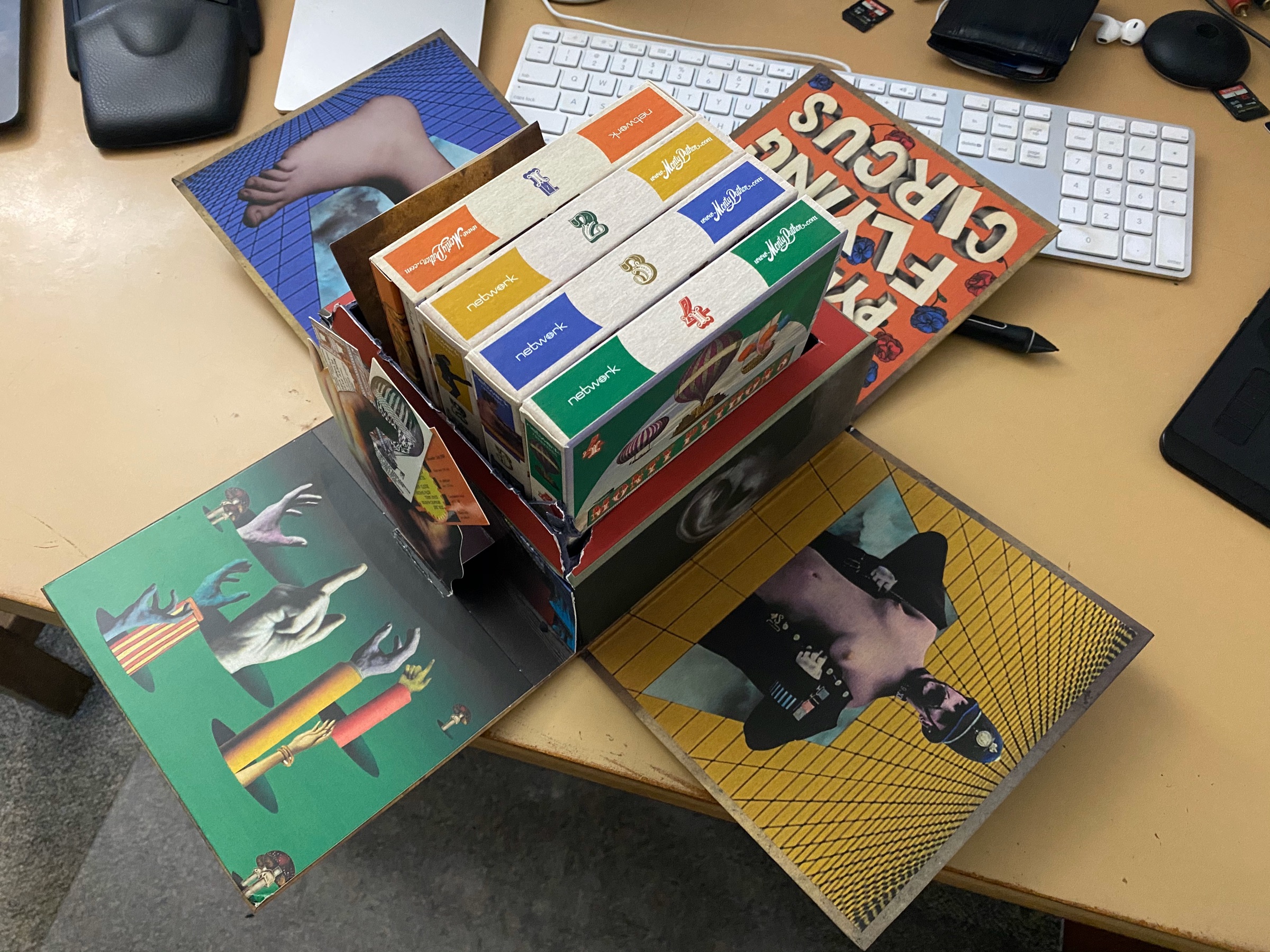
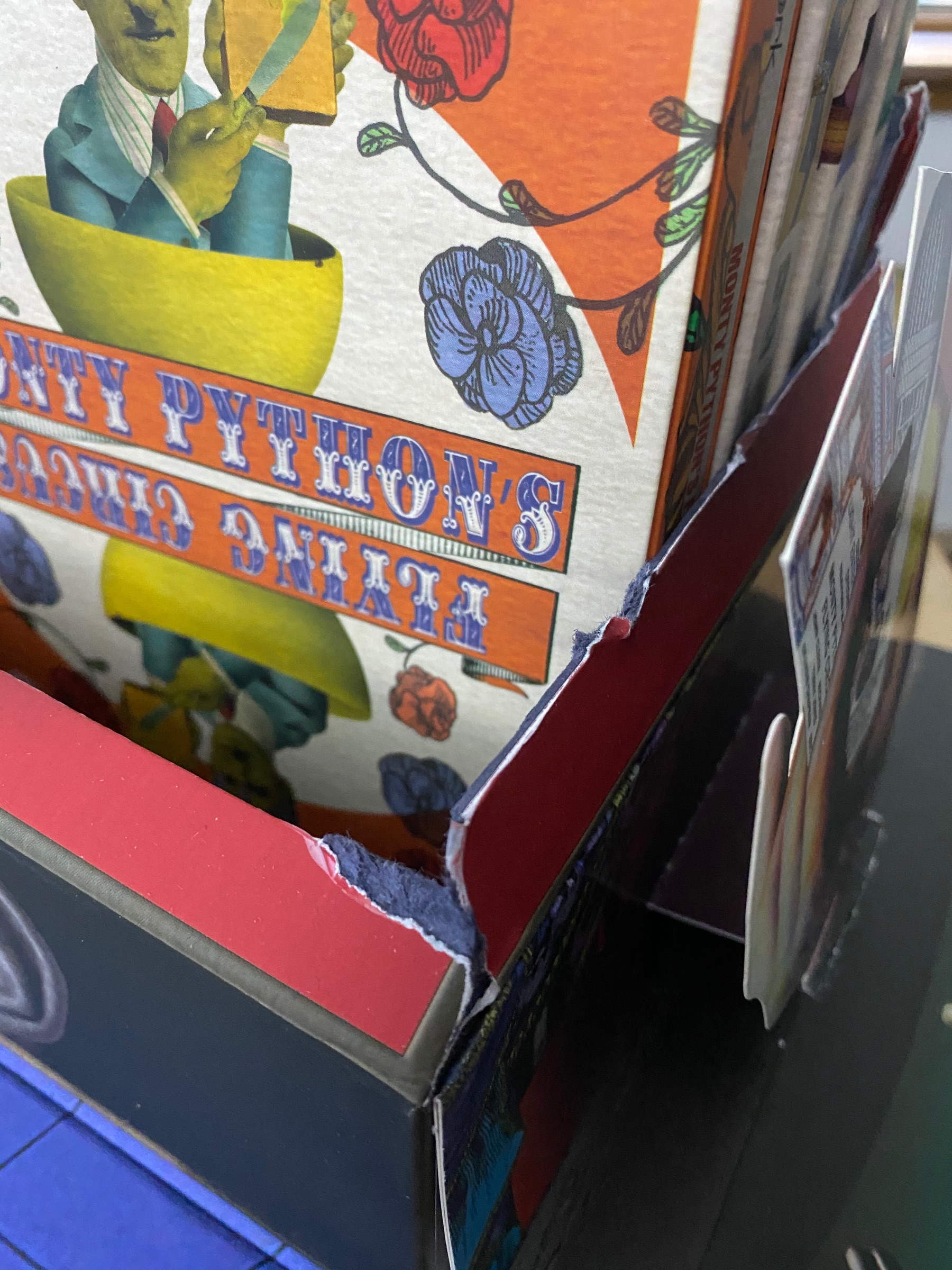
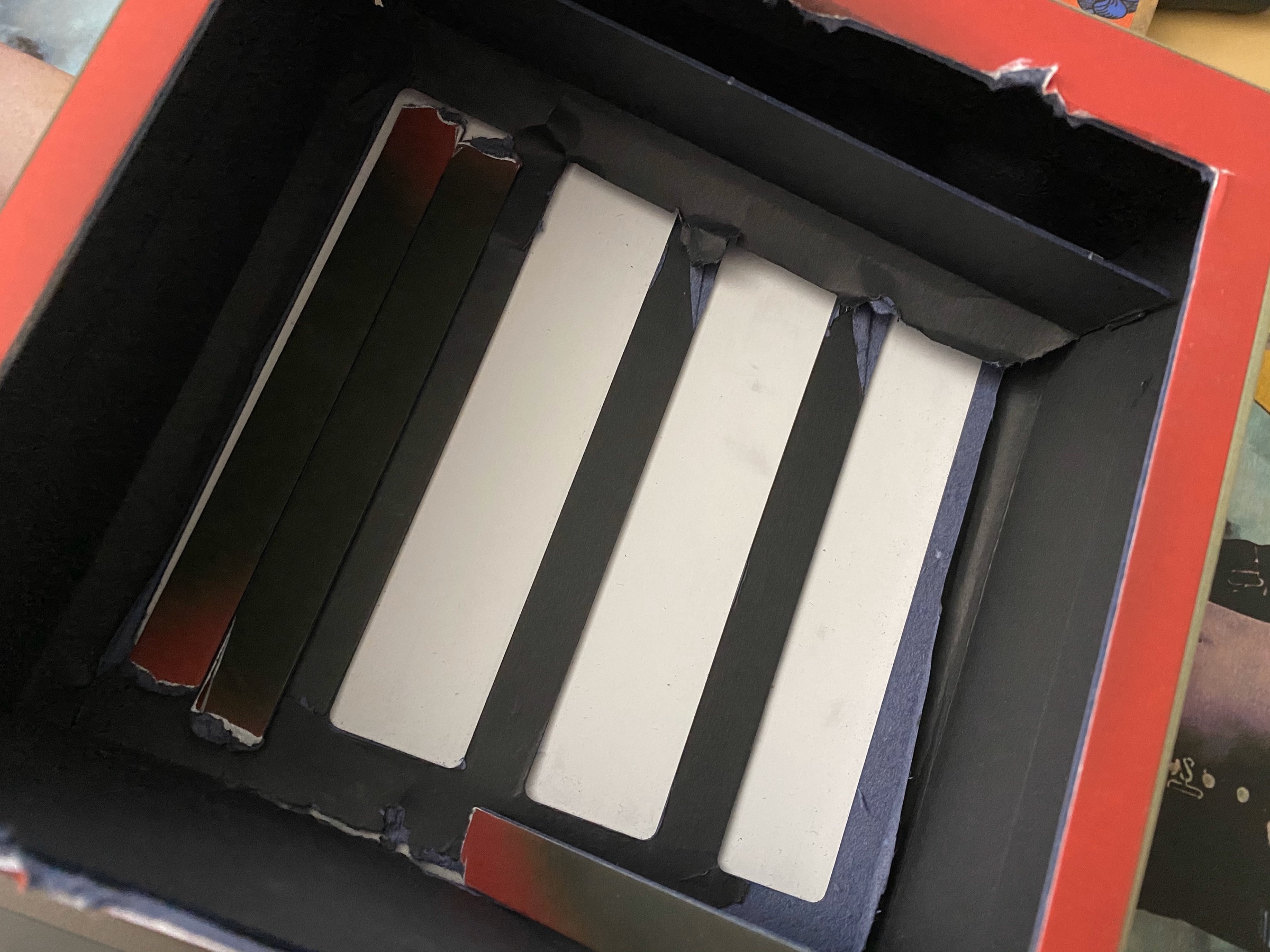
A gorgeous, fully restored Monty Python’s Flying Circus Norwegian Blu-ray Edition box set has just been released, and while I can definitely say that it looks great, others have reviewed it far more comprehensively than I’m able to do, and if you’re into the technical details, there’s some fascinating information about the restoration process in this article.

However, there is one small thing about the set that is a little unfortunate: Each episode only has three chapter stops.

Since I’m in the habit of ripping all of my DVDs and Blu-rays for storage and playback through my Plex media server, I decided to see if there was something I could do about that. Turns out there is! Here’s a rundown of the process, in case anyone else is curious (or if I need to remind myself how to do it for future projects).

  1. Rip the disc using MakeMKV to individual .mkv files for each episode (and while you’re doing so, you might want to pay attention to the subtitles as well.

  2. For each episode, open the .mkv file with the MKVToolNix GUI. Go to the “Chapter Editor” tab, and (at least in this case) remove the existing chapters.

  3. At the same time, open the .mkv file with a video player that allows for frame-by-frame scanning and that can display timecodes down to the millisecond (I use Aegisub).

  4. In MKVToolnix, use the “Add Chapter” button to create the first chapter; you’ll see it appear in the “Chapters:” list. Click on the chapter to enable editing. Set the start time to “00:00:00.000”. Optionally (but recommended), set the “Name” for the chapter: This could be as simple as “Chapter 1”, or a more descriptive chapter name (in this particular case, the highly detailed books of notes that came with the Monty Python set came in very handy for identifying the chapters and titles).

  5. Scan through the video file with your video player until you find the end point of the opening chapter/beginning point of the next chapter. Read the timecode from the video player, and use that to set the “End:” time in MKVToolnix (for example, “00:00:30.831” is zero hours, zero minutes, 30.831 seconds into the video).

  6. Click the “Add chapter” button to add the next chapter, and set its start time to the same timecode as the end time of the prior chapter.

  7. Continue on until all chapters have been defined.

  8. Once all chapters are defined, in MKVToolnix’s “Chapter Editor” window, choose “Save to Matroska file”. Select the .mkv file you’re working with, and click “Save”. Don’t worry if you get a warning that the file will be replaced, MKVToolnix will only replace the chapter markers, and will not wipe out the rest of the file.

Once that’s done, the .mkv file will have correct chapter markers set. If you then do any further encoding (such as converting from .mkv to .mp4 with Handbrake, which I do for my video storage to save space), those chapter markers will be preserve. This makes skipping around and finding particular points in the video (in this particular case, going directly to specific sketches within each episode) much easier.

It’s the one downside to an otherwise incredible set, and while this solution isn’t exactly simple or fast, neither is it terribly difficult or time consuming, and makes for a much better final experience.

Bonus: If others are ripping their Python box sets and would prefer not to go through the trouble of finding the chapter stops themselves, here’s a 73KB .zip file with .xml files for (nearly*) every episode’s chapter stops as I defined them. These files should be importable into MKVToolnix, replacing steps four through seven above (and saving you a lot of time).

* At present, I’m missing files for episodes 12 and 13 of Series 1, as I seem to have gotten a bad pressing of disc 2 of that set. I’ll add those two episodes and remove this qualifier once I’ve received a replacement disc.

Short Treks E06: “The Trouble with Edward” Okay…yes, it’s funny (and be sure to watch all of it). I laughed quite a few times. But wow, are they playing fast and loose with canon and biology. Hard to say much more without spoilers, but…I’m very torn on what to think. 🖖

Short Treks E05 “Q&A”: Cute, and nice to see Spock and Una playing against each other. Really dislike the Discovery-style “exterior” views of turbolifts, though; it makes no sense, and is as visually jarring as the Budweiser version of engineering from the Abramsverse. 🖖

Ken Burns’ “Country Music”

Prairie and I just finished the Ken Burns Country Music documentary, and really enjoyed it.

While country definitely isn’t my primary genre, I’ve grown up with a fairly healthy appreciation for the roots of American music, and there are some songs that have long been part of my musical consciousness (“Will the Circle Be Unbroken”, which features prominently in this documentary, has long ranked as one of my all-time favorite songs, and particularly the recording that plays over the ending moments of the final chapter of the film). This film — all sixteen hours of it — is a fascinating look at where country music came from, how it was influenced by and influenced other genres in turn, and generally how it’s been a strong part of the American musical landscape.

I was somewhat amused that in some ways, due to the film’s chronological structure, the final chapter was the least musically interesting for me, as it concentrates on roughly 1986-1996. That was the era of country music that I grew up in, and it’s also the era I find least interesting, and part of why I don’t tend to consider myself a country fan, however much I enjoy country music from earlier eras. Except for the modern, post-9/11 ultra-nationalistic era — which Ken Burns doesn’t get into, stopping his history just before the turn of the millennium — it’s the era of country I find least interesting.

Most interesting to me was the Carter family and Johnny Cash. Both were artists I knew to some extent, but their stories were fascinating, and were some of my favorite parts of the film. Their influence is such that it could even be argued that this was a shorter documentary about the Carter/Cash dynasty, with a lot of extended detours into the rest of the country music ecosystem that had them at the center.

Neat stuff. And if you have any interest in American culture and music, even if this isn’t a style you generally pay much attention to, the film is well worth the time it takes to watch.

Book fifty-one of 2019: The Trouble With Tribbles, by David Gerrold. ⭐️⭐️⭐️

A fun, breezy memoir about the creation of one of Star Trek’s most beloved episodes, this is an enjoyable peek into the creative process for television in the 1960s, and Star Trek in particular.

It: Chapter Two: ⭐️⭐️⭐️

Not bad, but not nearly as strong as the first. Good character building and creepy scares became too much CGI and too many jump scares. In the end, the creepyness of part one becomes just another collection of loud noises and CG monsters in part two.